Introduction
Uganda is known as the ‘Pearl of Africa’ for its beautiful nature as described by Winston Churchill, the prime minister of England in 1908, making it one of the highly ranked destinations to visit. However, it is also especially known for its diverse wildlife scene, rich cultural heritage, welcoming people, and unique experiences. Uganda has steadily gained recognition as a top African destination for eco-tourism, wildlife adventures, and cultural immersion. Known for its wide range of species including the gentle giants in Bwindi forest and Mgahinga, over 1000 bird species with 27 endemics, and a diverse array of animals including the Big 5, Uganda is certainly a country one should have the desire to visit as they would be spoilt for choice.
Uganda is a gem for travelers seeking natural beauty, wildlife, vibrant culture, and once-in-a-lifetime experiences. Activities like gorilla trekking, wildlife safaris, birding, adventures, climate, and accessibility in a less crowded country make for a personal thrill. The country combines thrilling adventure, rare wildlife experiences, rich culture, and breathtaking landscapes. It’s perfect for travelers seeking an authentic and diverse African experience. Below are some of the beautiful reasons why someone should make time and visit Uganda:
Gorilla trekking and habituation in Uganda
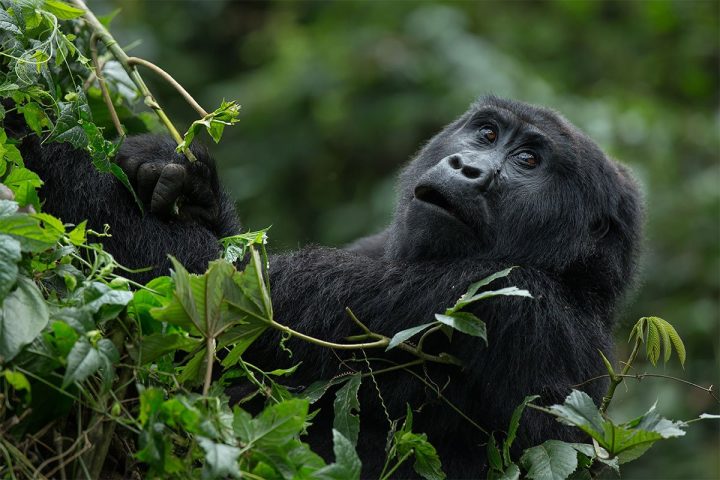
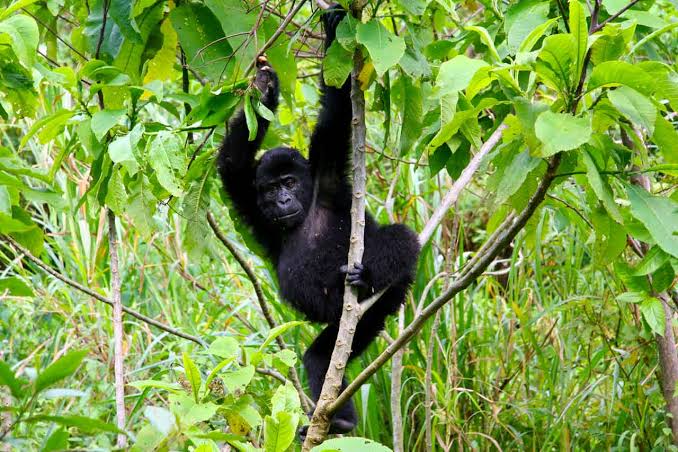
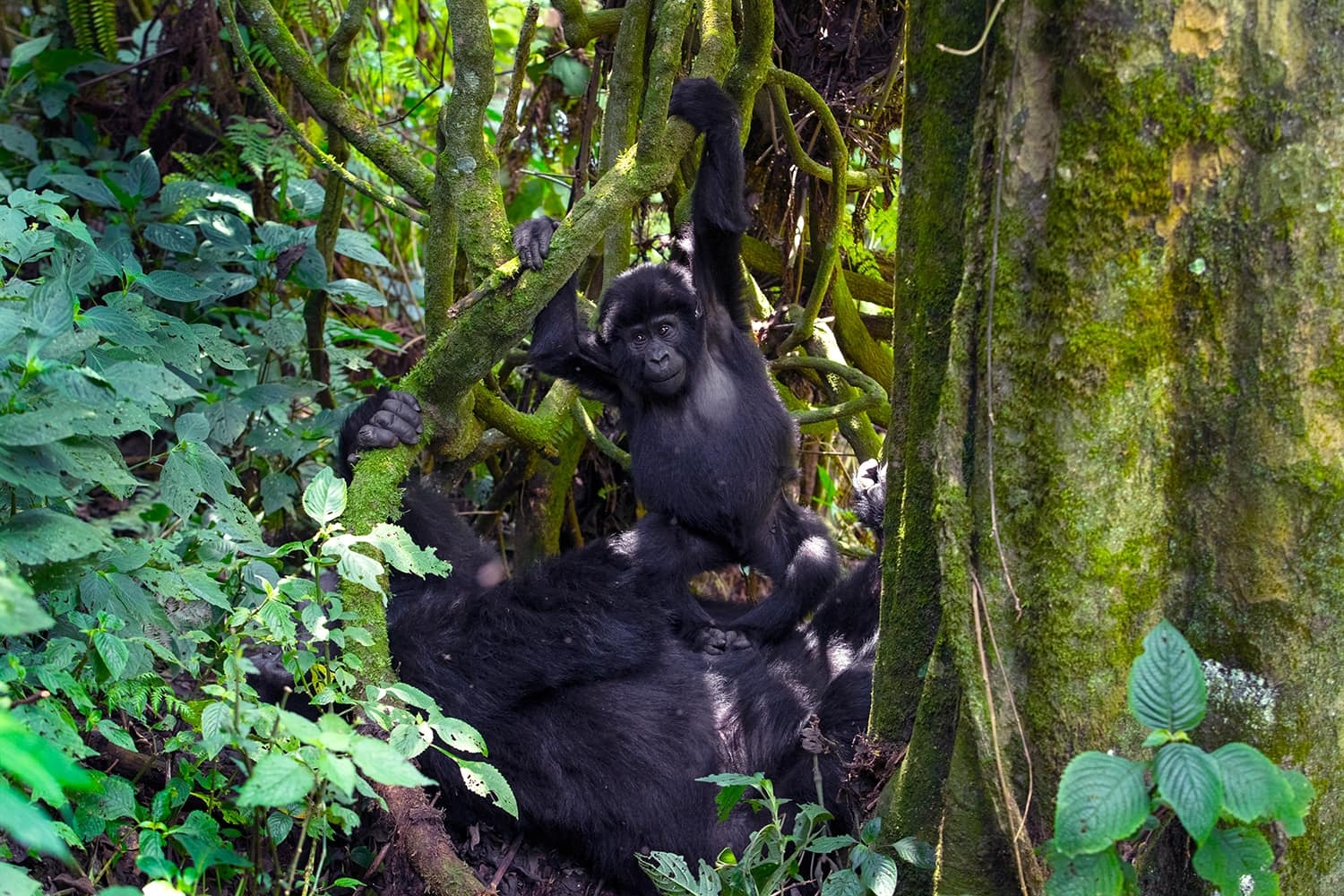
Uganda is one of the only places in the world where one can see a mountain gorilla in its natural habitat, particularly in Bwindi Impenetrable and Mgahinga National Parks with half of the world’s population. Gorilla trekking is hiking through the forest with experienced guides and trackers to locate habituated gorilla families while habituation is the process by which wild gorillas are gradually acclimated to the presence of humans, with the ultimate goal of making them comfortable enough to tolerate close observation by researchers, conservationists, and tourists. Both activities allow tourists to get intimate and close to the magnificent apes and witness their unique behaviors, such as feeding, playing, and social interactions, while also providing an opportunity to learn about conservation efforts to protect this critically endangered species.
Once found, visitors are allowed to spend an hour for trekking and 4hours for habituating to observing these gentle giants in their natural habitat. One would need a permit to be in position to experience the thrill of trekking or habituation and has to be booked in advance. A portion of the trekking permit fees goes directly into conservation efforts, protecting gorilla habitats and supporting the local communities living near the parks.
Chimpanzee tracking and habituation in Uganda
Kibale Forest National Park is the top location for chimpanzee tracking, often regarded as the “Primate Capital of the World” due to its high primate population, Budongo Forest and Kyambura Gorge (Valley of Apes) also offer chimpanzee tracking opportunities. Chimpanzee tracking offers visitors the chance to observe one of humanity’s closest relatives in their natural habitat and Uganda’s several locations each providing a unique experience that enables encounters with intelligent primates. Led by experienced guides who know how to locate chimp groups by listening for calls and looking for clues tracking takes about 1-6 hours and once the chimpanzees are located, visitors can spend an hour observing them up close. The chimpanzees will be observed in their habitat as they eat, groom, play, nest, and communicate.
Habituation is for those who prefer a deeper experience and this is done at Kibale where visitors spend the entire day with the chimpanzees alongside researchers. Habituation is the process of training the chimpanzees to get used to having humans around them as they go about their days and this normally takes about 3 years after which they can be opened up to tracking. This experience allows you to observe the chimps as they go about their day, learning how they live, interact, and survive in the forest.
Both activities require permits, paid for in advance and this contributes to the wildlife conservation efforts of protecting Uganda’s chimpanzees and their habitats. The revenue also supports local communities, providing employment as trackers, guides, and support staff and funding local infrastructure and development projects. This is an opportunity to connect with nature and gain a better understanding of one of humanity’s closest relatives in a pristine, natural environment.
Murchison falls national park
Murchison Falls national park, also known as Kabalega Falls, is the main attraction of the Murchison Falls National Park located in northwestern Uganda and is the largest and oldest national park in the country. Here, the Nile River, one of the longest rivers in the world, squeezes through a narrow 7-meter-wide gorge and plunges 43 meters down, creating a powerful waterfall with a deafening roar and a misty spray. The fall has two main viewpoints. The top of the falls offers a close-up view of the rushing water, accessible via a short hike, while boat cruises bring you to the base of the falls, offering an impressive view from below.
Away from the beautiful Falls, the park is home to a diverse array of wildlife including lions, elephants, buffaloes, leopards, antelopes, crocodiles, hippos, warthogs, and many more; bird species like the rare shoebill, African fish eagle, giant heron, Abyssinian ground hornbills, nightjars, marabou stork, black-headed lapwig, back-bellied bustard, goliath heron, swamp flycatcher, silver birds, yellow foot kingfisher, Latham francolin, pigeons, doves, great blue turaco, Ross’s turaco, white-crested turaco, and many more. The park offers a blend of spectacular natural beauty, abundant wildlife, thrilling activities, and unique cultural experiences for adventurers and nature enthusiasts.
Wildlife safaris in Uganda
Wildlife safaris in Uganda offer an unforgettable journey through some of Africa’s most biodiverse landscapes, home to iconic animals, rare species, and lush scenery combined with unique diverse ecosystems including rainforests, wetlands, and rivers. Game drives in the parks provide ample opportunities for spotting the diverse wildlife, along with guided nature walks, boat cruises, birding, and hiking.
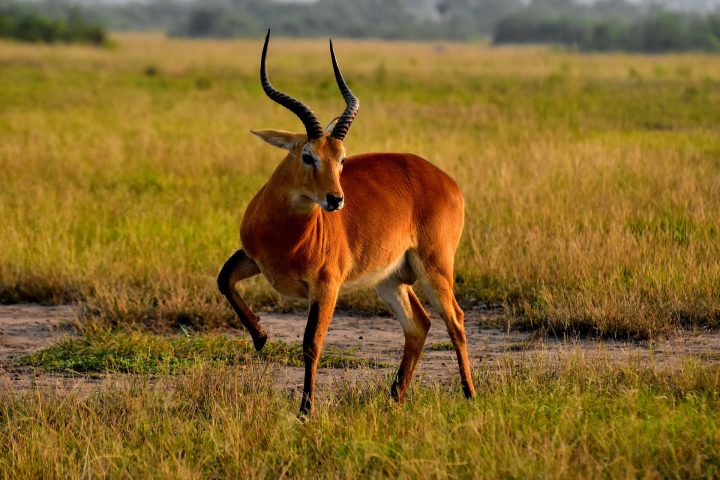
Animals including lions, leopards, buffaloes, elephants, zebras, giraffes, antelopes, waterbucks, bush pigs, crocodiles, hippos and many plus birds like shoebill stork, African green broadbill, African grey parrot, Ruwenzori turaco, Rwenzori batis, Ruwenzori nightjar, Shelley’s Crimsonwing, green-breasted pitta, goliath heron and many more avail a full experience for w worthwhile safari. The safaris show one’s connection with nature as they learn about the delicate ecosystems as Uganda offers an adventure so thrilling to be forgotten.
Uganda is home to over 1000 bird species recorded making it more than 50% and 11% of Africa and the world’s population respectively. Its diverse habitats, ranging from dense forests and swamps to savannas and mountainous regions, attract both seasoned birdwatchers and beginners seeking a wide variety of bird species, including several rare and endemic species. Renowned for its array of specialty and endemic species including but not limited to the shoebill stork, African green broadbill, African grey parrot, Ruwenzori turaco, Rwenzori batis, Ruwenzori nightjar, Shelley’s crimsonwing, green-breasted pitta, goliath heron and many more and migratory birds depending on location and season Uganda is a birder’s paradise.
Locations like Mabamba Swamp, Bwindi Impenetrable National Park, Lake Mburo national park, Budongo Forest, Kibale Forest, Lake Bunyonyi, Queen Elizabeth, Semuliki, and Rwenzori Mountains National Parks provide trails that enable one spot the variety of avian life the country has to offer like African finfoot, African jacana, white-backed duck, egrets, herons, Abyssinian ground hornbill, red-faced barbet, crested francolin, bee-eaters, weavers, martial eagles, lappet-faced vultures, grey-crowned crane, papyrus gonolek, yellow-breasted apalis, malachite kingfisher, crested barbet, African fish eagle, mariqua sunbird and many more. For anyone passionate about birds, Uganda offers an immersive experience that’s hard to match anywhere else in the world.
Adventure tourism in Uganda
Uganda’s adventure tourism scene is rich and diverse, with activities ranging from mountain climbing and white-water rafting to forest hikes and nature immersion. In Jinja, one can experience one of the best white-water rafting spots in the world, the Nile offers adrenaline-pumping rapids ranging from Grade 3 to Grade 5. Away from rafting, Jinja also offers kayaking, river tubing, bungee jumping, paddle boarding, and quad biking are also popular for those who crave an adrenaline rush.
Mountain climbing and trekking on the Rwenzori Mountains (Mountains of the Moon), Mount Elgon, Stanley, Morungole, and Kadam are some of the mountains visitors can enjoy climbing. With Rwenzori and Elgon being the popular ones climbers can aim to summit Margherita and Wagagai peaks. The ranges offer challenging treks with beautiful glaciers, valleys, diverse flora and fauna, waterfalls, landscapes, and views across the plains. Mount Rwenzori was recognized as a World Heritage site in 1994 and a Ramsar site in 2008 and Mount Elgon has the largest Caldera with the largest part on the Ugandan side.
Uganda’s adventure tourism offerings make it a remarkable destination for anyone looking to combine adrenaline-pumping activities with immersive nature experiences. These activities showcase Uganda’s adventurous spirit and diverse landscapes, from the roaring Nile to misty mountain ranges and serene lakes leaving visitors with unforgettable experiences.
Cultural tourism in Uganda
Uganda is known for its rich traditions, history, and customs, which offer tourists a vibrant and immersive experience. Popularly known for its friendly people and diverse heritage, Uganda’s cultural experiences range from visiting traditional villages and interacting with indigenous communities to exploring historical sites and witnessing local music and dance with over 50 ethnic groups. Uganda has Indigenous tribes like the Batwa (The keepers of the forest), the Karamojong, the Baganda with Kasubi tombs a UNESCO world heritage site, and the Ik tribe on Mount Morungole all offering unique cultures, customs, and traditions.
Uganda also has other historical sites like Mparo tombs, Toro royal palace, Amabere caves, Ndere cultural center, and ceremonies like Ekitaguriro, Imbalu circumcision, and Bayimba International Festival all aim at showcasing the different cultures in depth and authenticity. As a warm people, visitors can immerse themselves to gain a better understanding and appreciation for what makes Ugandans special.
Uganda’s rich cultural heritage and friendly people make it a special destination for those who want to go beyond the wildlife and landscapes and dive into the heart of what makes the country so unique. The diversity, warmth, and cultural depth create memorable connections and a deeper understanding of the country and its people making it a memorable addition.
The best time to visit Uganda is during the dry seasons from December to February and June to August; the weather is ideal for various outdoor activities such as safaris, trekking, and birding. The dry seasons concentrate animals near water sources, improving sightings; and ensuring trails are less muddy and more comfortable however in regards to birds it depends on one’s desires as migratory birds can be seen during November- April.