Murchison falls National Park is Uganda’s oldest and largest national park covering an area of 3,893 square kilometers. The Park is located in the northwestern region of the country about 283 kilometers by road from Kampala. Murchison falls national park stretches inland from the shores of Lake Albert around the Victoria Nile up to the Karuma Falls. The history of Murchison Falls National Park dates back in 1907 when the inhabitants of an area of about 13,000 square kilometers were evacuated due to sleeping sickness spread by tsetse flies. Bunyoro game reserve was created in 1910 south of the Nile River after realizing that this area was habiting numerous wildlife species and vegetation types. Its boundaries were extended north of the River in 1928 into the modern-day Nwoya district. This area was unoccupied and totally free of human use which facilitated the creation of the protected area with no objection and conflicts from the native local people. In 1932, a piece of this area was gazette as the Budongo forest Reserve that became the first logging concession which is also used vigorously by researchers. The extension of its boundaries resulted into the establishment of a recognized protected area that was named Bunyoro-Gulu Game Reserve. The British administration established the National Parks Act of Uganda in 1952 and this area became Murchison falls National Park. Murchison falls National Park was named after the world’s strongest waterfalls that feature in the Park known as Murchison Falls whose original name was “Pajok” a Luo word that meant the “place of spirits” since it’s a place where sacrifices were offered to the gods of rain, wars, blessings, protection and many others. The first explorers to visit Murchison Falls Conservation Area were John Speke and James Grant in 1862. It was then visited by Sir Samuel Baker and his wife Florence Baker for thorough exploration in 1863-4. Sir Samuel Baker named the Falls Murchison Falls after the Geologist Roderick Murchison then the president of the Royal Geographical Society. The Park’s name was changed to Kabalega Falls National Park during the reign of Dictator Idi Amin Dada being named after the king of Bunyoro but when his regime was overthrown, the Park’s former name “Murchison Falls National Park” was reinstated.
Attractions in Murchison falls national park
Murchison Falls National Park is a fascinating tourist destination featuring a variety of tourist attractions that include the following;
Wildlife species
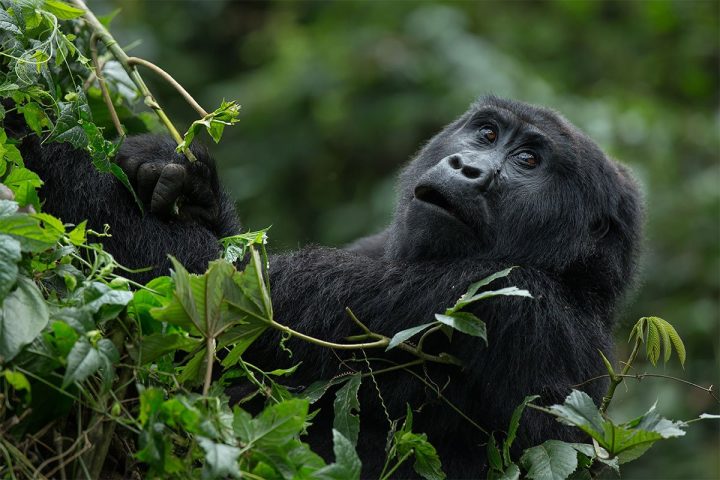
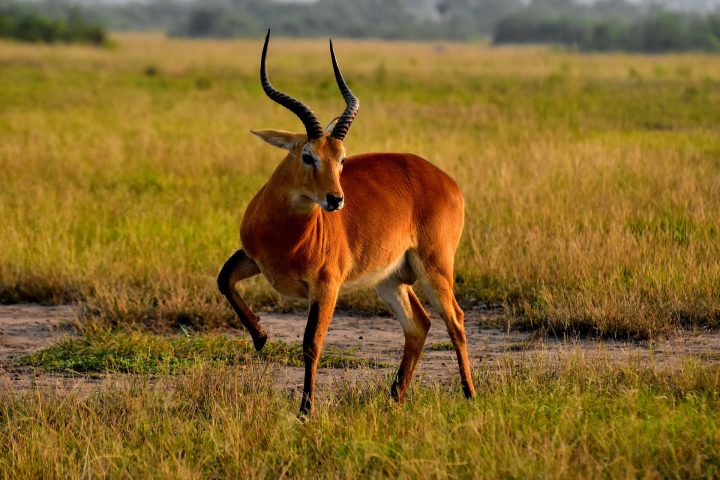
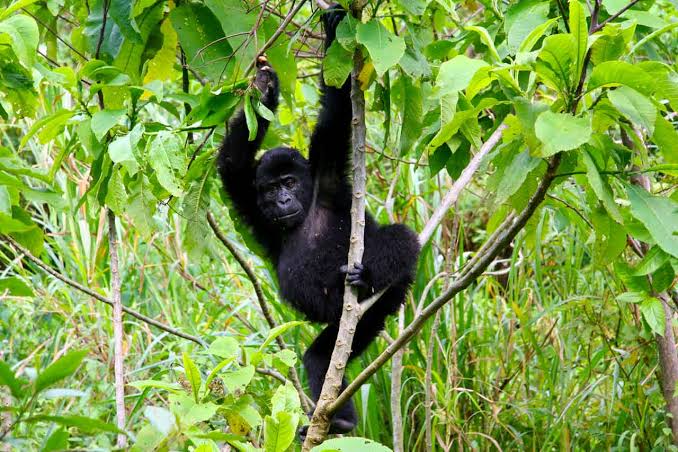
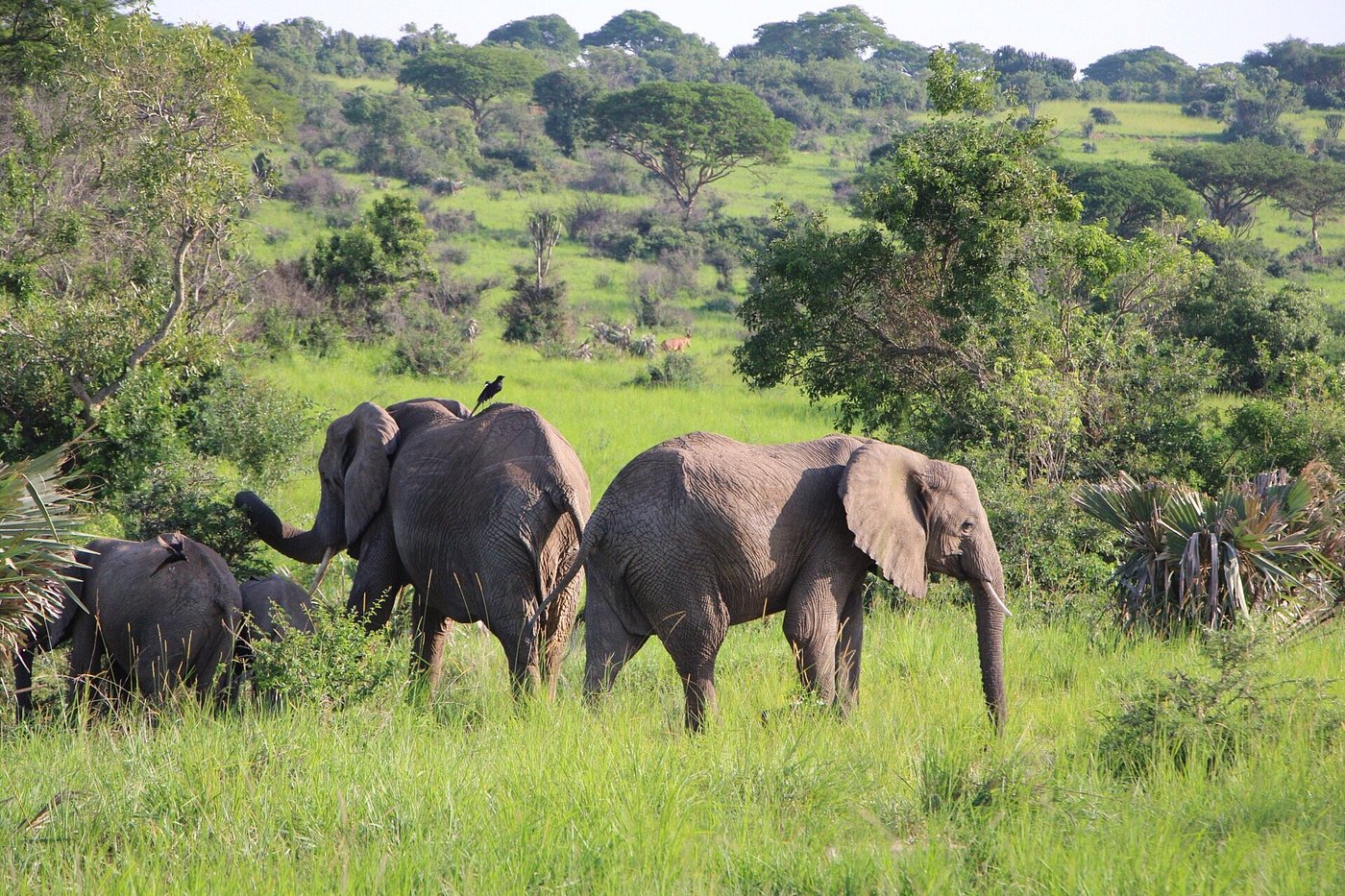
Murchison Falls National Park exhibits diverse vegetation ranging from savannah and palm-dotted landscapes in the north to woodlands and forested areas in the south. The Nile Albert Delta is characterized by swampy vegetation made up of marshes and papyrus that are all habitats to a variety of wildlife species ranging from mammals and reptiles to birds and butterfly species. This Park is most popular for habiting four out of the African Big Five animals which include the cape buffaloes, African elephants, lions and the leopards. Other animals include the Jackson’s hartebeest, Kobs, giraffes, oribis, hyenas, jackals, hippopotamuses, warthogs, bushbucks, waterbucks to mention but a few. This Park is a home to several primates such as black and white colobus monkeys, olive baboons, chimpanzees, blue monkeys, red-tailed monkeys, common patas monkeys and many more. Other than the 76 mammal species, Murchison Falls National Park is a haven to over 451 bird species for example the Abyssinian ground hornbill, African jacana, black-billed barbet, black-headed coucal, giant heron, secretary bird, red-throated bee-eater, swamp fly-catcher, giant heron, giant kingfisher, saddle-billed stork, pied kingfisher, grey crowned crane, piacpiac, Senegal thick-knee, martial eagle, African darter, malachite kingfisher, African fish eagle, osprey, sandpipers, yellow-fronted tinkerbird, veracious dove, rock pratincole, Denham’s bustard to mention but a few.
The Murchison falls
This is one of the Park’s renowned tourist attractions that can’t be missed out on one’s visit to Murchison falls National Park. The falls are also known as the Kabalega falls and were named Murchison Falls after Sir Roderick Murchison, President of the Royal Geographical Society by explorer Sir Samuel Baker. The waterfalls lie between Lake Kyoga and Lake Albert along the Victoria Nile which flows through the Park squeezing its way through a 7 meter wide gorge and plunging 43 meters into a plunge pool known as the devil’s cauldron. The Falls are renowned for their high water volume and the force of the water as it flows through the narrow gorge to pour into the devil’s cauldron making it the world’s strongest waterfalls.
The Nile River
The Nile River is one of the Park’s most important geographical features that bisect that Park for around 100 kilometers flowing northwesterly between Lake Kyoga and Lake Albert. This Nile River starts its long journey at Lake Victoria in Jinja with its drainage basins covering up to 11 countries. Many tourist activities such as bungee jumping, kayaking, tubing, boat cruises, white water rafting are done on the Nile. However in Murchison falls National Park, the perfect way to enjoy and explore the Nile River is by embarking on a boat cruise to the bottom of the Falls or to the Albert Delta. The cruise exposes visitors to multitudes of hippopotamuses, large Nile crocodiles, herds of elephants and buffaloes, waterbucks, aquatic birdlife and many more.
Budongo forest
Budongo forest is renowned to be the biggest mahogany forest in the entire East Africa covering an area of about 435 square kilometers. This forest is contiguous with the Kaniyo Pabidi forest and lies south of the Murchison falls conservation area. Budongo forest is astonishingly bio-diverse protecting to about 24 mammal species, 289 butterfly species, 360 bird species and 465 plant types. Budongo forest is also known for hosting one of Uganda’s largest populations of chimpanzees of up to 800 individuals. Other primate species that reside in this forest include the red-tailed monkeys, blue monkeys, olive baboons, black and white colobus monkeys, species of galagos, pottos to mention but a few. There are large mammals associated with Murchison falls National Park that occasionally visit this majestic forest and these include herds of elephants and many others. The gigantic hammerhead bats, elephant-shrew and tree pangolins are also residents of the Budongo forest. Some of the bird species that reside in this forest include the most sought-after bird species for example the forest flycatcher, Jameson’s wattle-eye, yellow-footed flycatcher, black-capped apalis, lemon-billed crombec, white-thighed hornbill, Nahan’s francolin, Cassin’s hawk-eagle to mention but a few.
The Albert-Nile Delta
The Albert-Nile Delta is an expanse of lowland where the Nile River enters Lake Albert situated in the southern region of the Park. This area is a significant region in Murchison Falls National Park and recognized as a Ramsar site since it hosts several bird species making it a significant spot for bird watching. This region can further be explored on a boat cruise down-stream to the Albert-Nile Delta where African unique birds can easily be seen for example the rare shoebill stork, goliath herons, African fish eagle, saddle-billed stork, Denham’s bustard, Senegal thick-knee and many more. A variety of animals can as well be spotted in this area for example Defassa waterbucks, Jackson’s hartebeest, giraffes, buffaloes, side-striped jackals, Patas monkeys to mention but a few.
Paraa
Paraa is one of the outstanding tourist attractions in Murchison Falls National Park situated along the southern bank of the Nile River. This Place obtains its name “Paraa” from a Luo word the means hippopotamuses implying that this place has all the time been a place of very many hippopotamuses. Several activities with in the Park commence around this area for example game drives, nature walks, boat cruises and many more. Several animals make frequent visits to Parra such as elephants, giraffes, Jackson’s hartebeests, crocodiles, oribis to mention but a few.
Activities in Murchison falls National Park
Game drives in Murchison Falls National Park
Embarking on game drives is one of the best ways to explore Murchison Falls National Park. Game drives are done in a 4WD safari vehicle with a popup top for visitors to spot wildlife and take pictures at ease. Game drives are categorized into three categories and these include;
The morning game drives; these are done very early in the morning after breakfast by around 6:00am when visitors hit the savannah section of the Park in the northern section with the guidance of a driver guide. Morning game drives are the most rewarding since visitors have better chances of seeing several animals when they are most active and several nocturnal animals as they rush back to their hide outs. Animals to lookout for during a morning game drive include giraffes, buffaloes, elephants, Uganda Kobs, waterbucks, Jackson’s hartebeests, warthogs, oribis, bushbucks among others. Big cats such as lions and leopards can as well be spotted either feasting on their kill or trying out their trick hunting techniques as well as multitude of bird species.
Evening game drives; these are often done in the evening hours just before dusk when the heat from the sun has reduced. A variety of grazers are easily spotted as they try grabbing their last meal before converging for a walk to their resting places. This is also the perfect time to see the big cats scanning for their prey.
Night game drives; night game drives offer totally a different game viewing experience from that of morning and evening game drives. Night game drives start immediately after dinner at around 7:30pm where it is a mandate for visitors to be accompanied by Park rangers who help them spot various animals with the help of flash lights. During night game drives, visitors have an opportunity to spot nocturnal animals such as hyenas, leopards, lions, civets, genets, night jar, bush babies, grazers like hippopotamuses, waterbucks, elephants and many others.
Boat cruise in Murchison Falls National Park
This is one of the most amazing activities in Murchison Falls National Park that is conducted along the Nile River. There are two categories of cruises conducted along the Nile River upstream to the bottom of the Falls and the other downstream to the Nile-delta stretching to the shores of Lake Albert. This activity showcases aquatic life in the Park and other wildlife species that congregate along the Nile River to quench their thirst. The boat cruise is conducted in two sessions daily, one starting in the morning at 9:00am and the afternoon cruise starting at 2:00pm and all lasting for 2 to 3 hours. The boat cruise to the bottom of the Falls gets one up-close to schools of hippopotamuses, large Nile crocodiles, other mammals like buffaloes, elephants, waterbucks and others that find comfort close to water s they cool their temperatures. The boat cruise downstream to the Albert-Delta is best for bird enthusiasts giving them an opportunity to spot a variety of bird species such as the prehistoric shoebill, giant kingfishers, African fish eagle, malachite kingfisher, saddle-billed stork to mention but a few.
Bird watching
Murchison falls National Park is one of the best bird watching spots in the country boasting with up to 451 bird species that reside in the Park’s savannah grasslands, woodlands, riverine forest, swamps and others that provide perfect habitats. Bird watching is done with the guidance of a birding guide to assist visitors with bird identification as well as providing some other necessary information. Bird species to lookout for include the Abyssinian ground hornbill, black-headed lapwing, giant kingfisher, black-headed Gonolek, swamp flycatcher, African darter, long-toed lapwing, black-billed barbet, rock pratincole, yellow-fronted tinkerbird, Denham’s bustard, long-tailed nightjar, blue-headed coucal, red-winged grey warbler, palm-nut vulture, piapiac, long-crested eagle, silver bird, double-toothed barbet to mention but a few. The best bird watching spot is the Albert-Delta area known to hold up to 78 bird species including the 3 globally endangered species and 7 nationally threatened bird species. The best time of the day for bird watching is very early in the morning when the birds are still very active and in the evening as they find safe shelter to roost for the night. Other bird watching spots in the Park include the Kaniyo-Pabidi forests, Budongo forest, the savannah plains in the northern section of the Park and many more.
Nature walks in Murchison Falls National Park
With nature walks, visitors have the opportunity to explore the wild on foot through the Park’s trails to witness what nature has to offer in Murchison falls National Park. Nature walks are often carried out in Rubango forest, Kaniyo-Pabidi forest, Budongo forest where one can walk beneath large mahogany and ironwood trees. Sightings during nature walks include primates such as red tailed monkeys, black and white colobus monkeys, olive baboons and chimpanzees, several bird species, butterflies, tree and plant species to mention but a few.
Hiking to the top of the falls
Visitors are led by a UWA ranger guide through developed trails to make hikes to the top of the falls after a short briefing about the history of Murchison waterfalls and the entire Park. This hike offers magnificent views of the Nile River as it gently flows towards Lake Albert where it forms the Albert delta. During the hike to the top of the falls a thunderous sound is witnessed as water forces its way through a narrow gorge of about 7 meters wide to fall off the cliff of about 42 meters high to pour its water in the devil’s cauldron before continuing with its long journey through Lake Albert and further to the north. This is the peak of the hike where visitors experience the fresh showers from the Nile and capture the magnificent rainbow in the backdrop of the falling water. It’s uncommon for visitors to leave this spot without taking pictures to add to their galleries.
Chimpanzee trekking in Murchison Falls National Park
Chimpanzee trekking is an unforgettable experience done in Budongo forest a home to a large population of chimpanzees next to that of Kibale National Park. This activity starts early in the in the morning with a briefing about what is expected of trekkers, how to conduct themselves amidst chimpanzees as well as their expectations. Ranger guides leads trekkers through trails into the forest to locate a troop of habituated chimpanzees which may last to about 30 minutes to 4 hours. Once a troop of chimpanzees is located, an hour is allowed with the chimpanzees as they clearly observe them play, groom their little ones, feeding, swing on tree branches among others before exiting the forest.
Sport fishing in Murchison Falls National Park
Sport fishing is a rewarding activity where visitors have the opportunity to land a large Nile perch, cat fish and many other fish species. This activity is mostly based on a catch and release basis rather than fishing for food. There are specifically two sport fishing spots one near Paraa below the waterfalls and the other below the Karuma falls at Chobe safari lodge. Visitors are allowed to use their own fishing gears provided they are up to standards though there is a possibility of hiring the gears from fishing guides.
Cultural encounters
Visits are made to local communities close to the Park where visitors can learn about their culture, norms and values. Local cultural groups entertain visitors with their vibrant songs and sounds more so at their respective lodges around the campfires.
What is the Best time to visit Murchison falls National Park
Murchison falls National Park is all year open for visits though the best time is during the dry season typically from June to September and December to February. During this period of the year, wildlife drowns to water sources making them more visible during game drives. There is reduced vegetation and the tracks are easily accessible since there is less mud and often not slippery. This period of the year also offers comfortable conditions for exploration since the skies are always clear and the weather is always warm. However during the wet season in the months of March to May and August to November, the Park receives relatively heavy rainfalls making it very tricky to access the Park since the tracks and trails are muddy and slippery. This is however the best time for bird enthusiasts and the perfect time for bird watching since migratory birds gather in the Park during the wet season. Accommodation rates might be lowered during the wet season due to fewer visitors making it the perfect time for budget travelers.