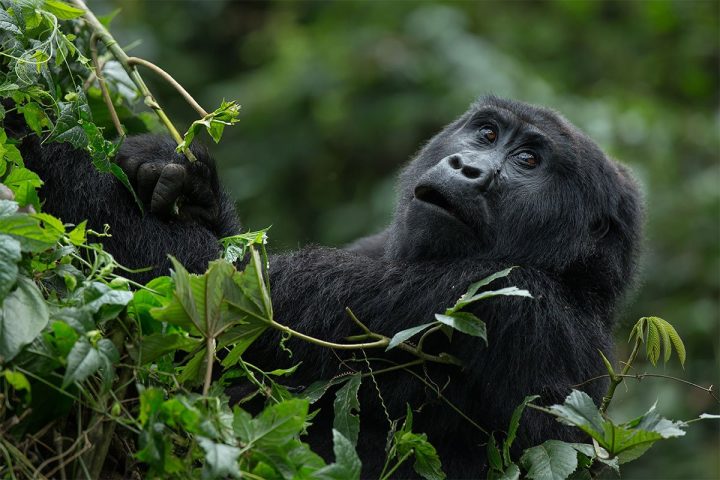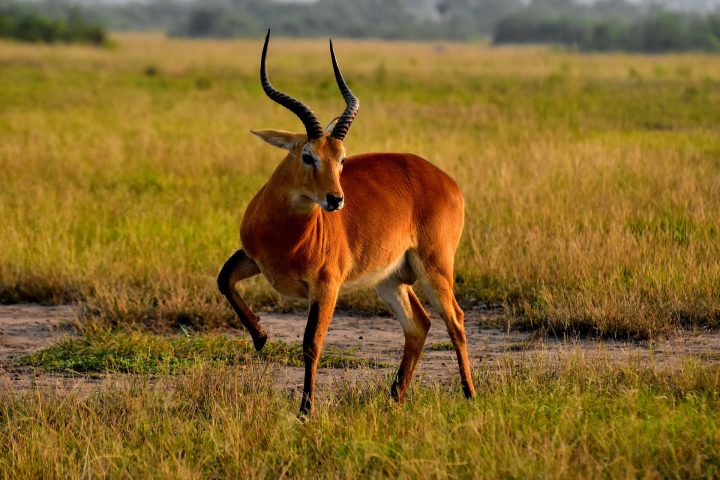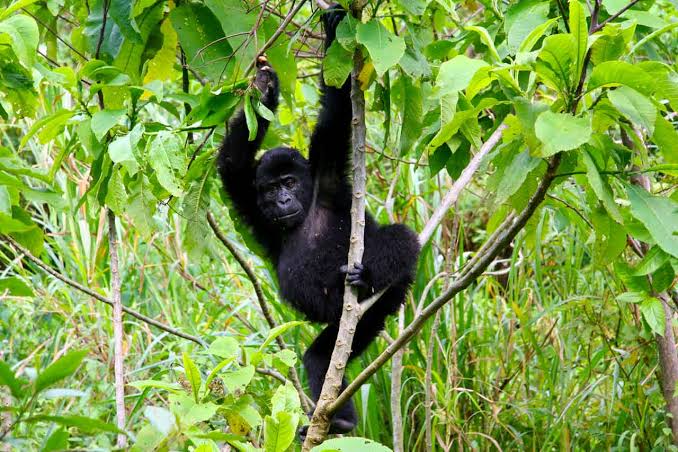
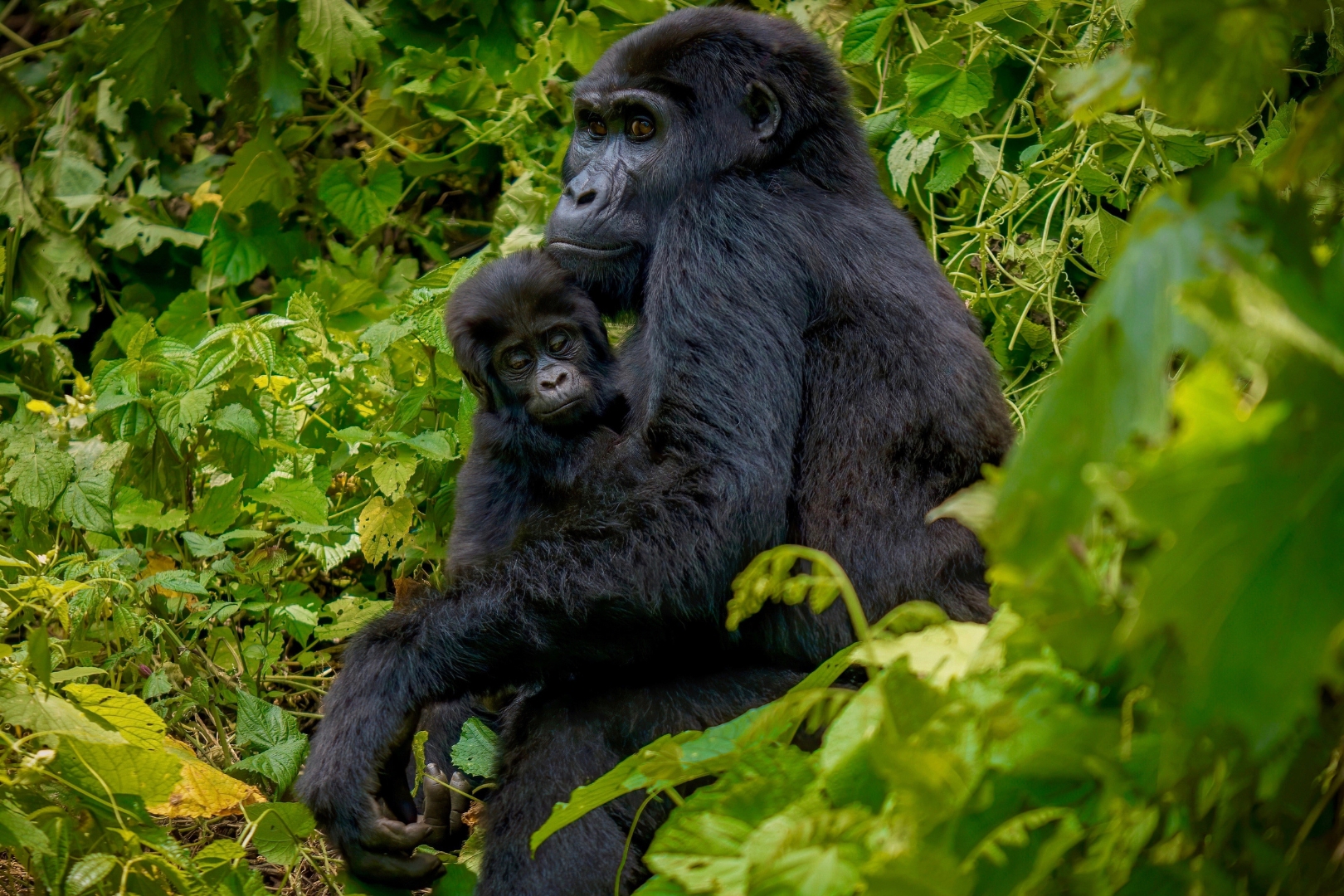
Uganda is known as the ‘Pearl of Africa’ for its beautiful nature, as described by Winston Churchill, the Prime Minister of England in 1908, making it one of the top destinations to visit. However, it is also renowned for its diverse wildlife, rich cultural heritage, welcoming people, and unique experiences. Known for its wide range of species, including the gentle giants in Bwindi forest and Mgahinga, over 1000 bird species with 27 endemics, and a diverse array of animals including the Big 5, Uganda is certainly a desired destination for many due to its diversity.
With more than half of the world’s magnificent mountain gorillas calling it home, Uganda is famous for its gorilla trekking experiences, offering visitors the chance to see mountain gorillas in their natural habitat. These gorillas are found in the Bwindi Impenetrable Conservation Area and in smaller numbers in the central part of Africa. In Uganda, gorilla trekking takes place mainly in two locations: Bwindi Impenetrable National Park and Mgahinga Gorilla National Park. Bwindi Impenetrable Forest National Park is situated in southwestern Uganda on the edge of the Rift Valley; it is listed as a UNESCO World Heritage Site because of its ecological significance and has gained worldwide recognition through gorilla trekking, especially since mountain gorillas are declared endangered and at risk of extinction. Mgahinga Gorilla National Park, located in the southwestern corner of Uganda, is a stunning and rare gem, and the smallest park in Uganda. It offers the thrill and adventure of trekking deep into the forests, providing a once-in-a-lifetime experience and scenic views of the countryside. Mgahinga is part of the Virunga Conservation Area, which stretches across Uganda, Rwanda, and the Democratic Republic of the Congo.
Gorilla trekking is an extraordinary wildlife experience that allows you to observe mountain gorillas in their natural habitat. Gorilla trekking involves hiking through the forest with experienced guides and trackers to locate habituated gorilla families. The terrain can be challenging, with steep slopes, dense vegetation, and muddy trails. The duration of the trek can vary depending on the location of the gorilla group and how fit the group of trekkers are, ranging from a few hours to a full day. Both Bwindi Impenetrable Forest and Mgahinga Gorilla National Parks offer the experience of gorilla trekking, hikes, birding, and community visits to give a full circle kind of process.
Visitors typically fly from Norway to Uganda through Entebbe International Airport. Upon arrival, they are greeted by a driver guide who has the full itinerary and shares it with the guests. To ensure a smooth trip, gorilla trekking permits, accommodations, and other essentials will be booked in advance, guaranteeing a successful experience for the visitors. Guests should be prepared for the hikes, which can be strenuous and demanding of good fitness, as the terrain is often steep and the vegetation dense. Trekking usually involves a group of eight people, plus the guide and ranger, who ensure the safety of both visitors and gorillas. The treks generally last between thirty minutes and eight hours, depending on the location of the tracked gorilla family. Once found, visitors are allowed an hour to observe the gorillas in their natural habitat and see how they live and thrive.
For trekking visitors or tourists, they should pack appropriately for the trip with essentials that ensure a smooth experience, including proper clothing, insect repellent, sunscreen, waterproof covers, cameras, and more. Gorilla trekking permits are required to participate. Permits can be obtained at $800 for foreign non-residents, $700 for foreign residents, 350,000 UGX for East Africans, and $500 for other Africans, either from the Uganda Wildlife Authority or a trusted tour operator. However, please note that these prices are subject to change, so it is important to check with the Uganda Wildlife Authority or authorized tour operators for the latest permit fees. Proper planning enhances the trekking experience by managing potential inconveniences and minimizing unavoidable circumstances.
The best time for trekking is during the dry seasons, from June to September and December to February, as these months offer better trekking conditions with less rain and fewer muddy trails. Travelers should be in good physical shape to enjoy the trek, as some trails can be strenuous depending on the gorilla family’s location. Additionally, they should be healthy, since gorillas can also easily catch illnesses similar to those humans can, and must be protected from any ailments caused by humans.