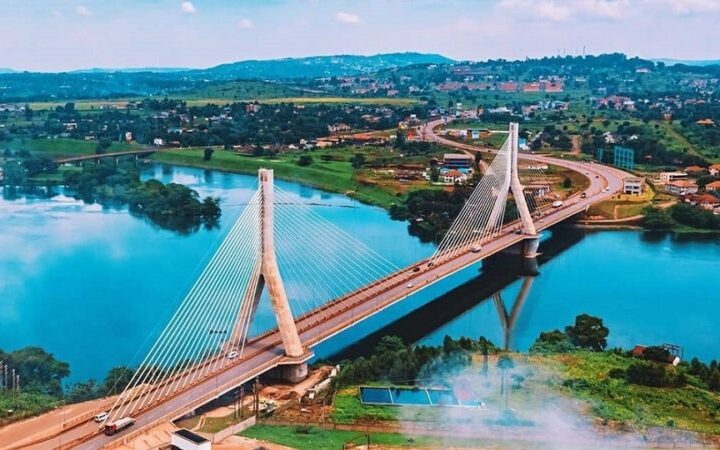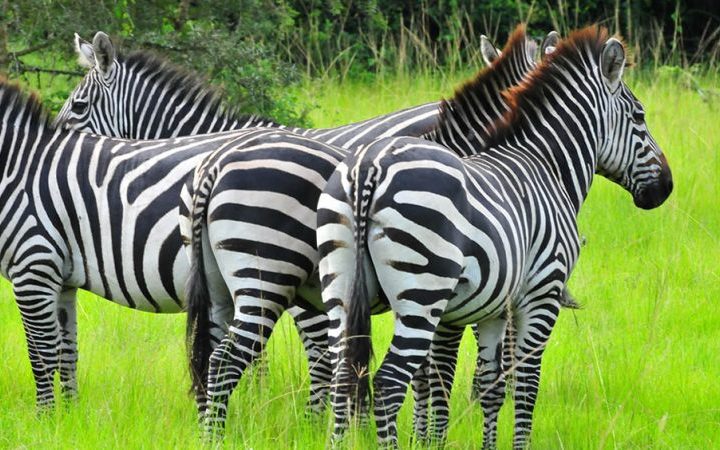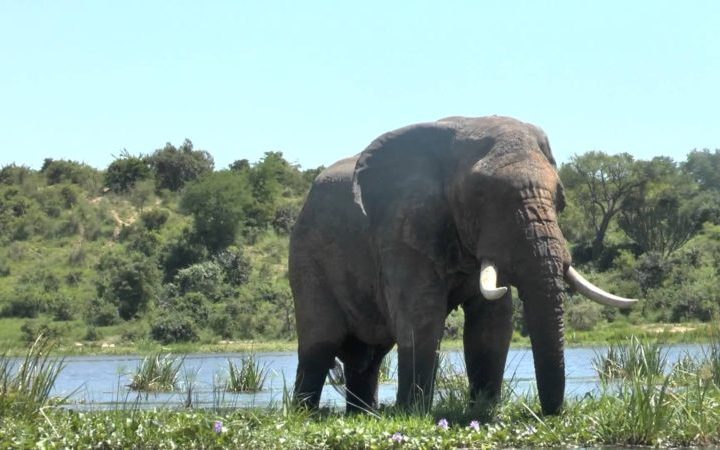
Murchison Falls National Park is located at the northern edge of the Albertine rift valley which runs through the Bunyoro escarpment dotted with palm-savannah cover. This is the largest and oldest national park in Uganda; a nation located in the northwestern part of Uganda. Uganda is in East Africa, neighbored by the republic of Kenya, Tanzania, south Sudan, Burundi, and Rwanda. Murchison National park gained its current status in 1952 as the first national park in the country. It was first gazetted a game reserve in 1926 as the largest conservation area. There is Victoria Nile that bisects the park through the stunning Murchison Falls, and the rift valley walls.
The park is home to over 550 bird species, about 51 amphibians, above 50 reptile species, and over 145mammal species. The Park derives its name from Murchison Falls; the most powerful waterfall in the world, in its southern Part. As one walks to the top through the “devils cauldron” there are two falls, and the permanent rainbow.
There are two sectors at Murchison falls divided by river Nile. The northern and southern sector.
Northern sector
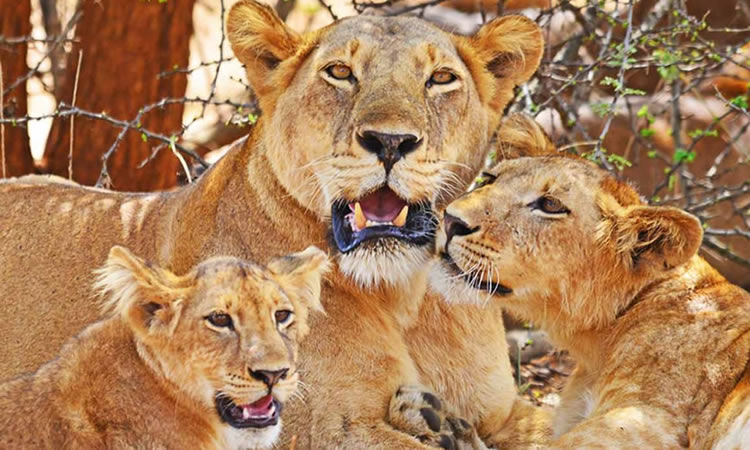
This sector features borussas palms, riverine woodland, acacia and savannah trees. This is a sector with a variety of animals since it wasn’t greatly affected by poaching. The Nile is a barrier to the sector and a water body for the wildlife. It is a sector where the famous film “The African Queen was done” in 1951 at Lake Albert.
The sector is where game drives are done through the Chobe, delta, and Bugungu track. Among the many animals to lookout for include: lions, leopards, several antelope species, African, elephants, the cape Buffalos, and more birds such as the crested cranes, egrets, geenefowls, and more. There are also some accommodation facilities to stay in during your Visit, including the student dormitories, and the African style Bandas.
Southern sector
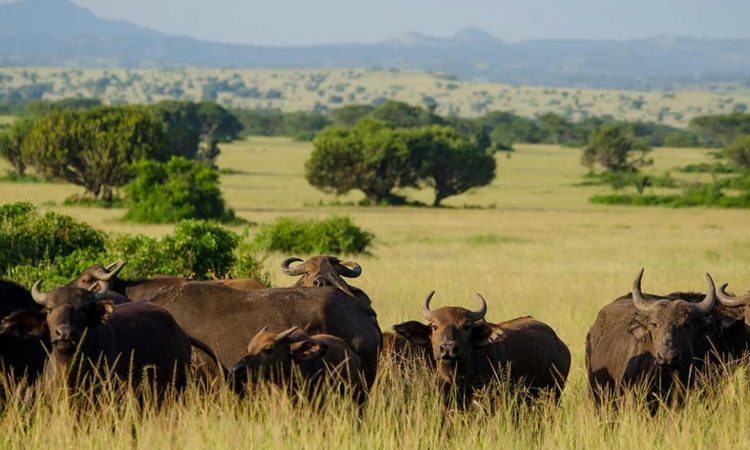
The south features a forest and woodland Bush cover. It was a sector greatly affected by poaching and human settlement which reduced the animal’s population in about 1980s during Idi Amin’s error. Due to conservation efforts, there is an increase in the animal population and an introduction of the Honeymoon track. The recent animal variety in the southern part of the park include: Uganda Kobs, bush bucks, elephants, cape buffalos and more.
Day and night game drives.
Take any of the game drives to lookout for among others the 4 of the big 5 cats namely; the lions, leopards, Africa elephants, cape Buffaloes and more.
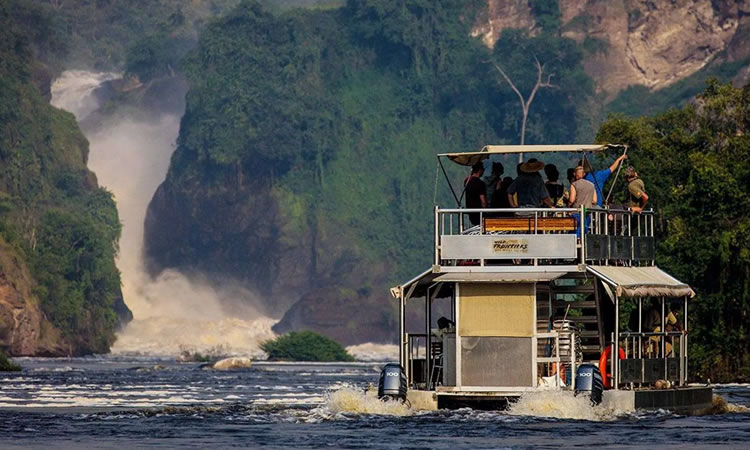
Morning and Afternoon Boat cruise ushers you to the site and sound of the different aquatic birds and animals such as the hippos, the Nile crocodiles; the water duck, and more.
Other activities include; hot air balloon safari at the northern part of the park, Bird watching, guided nature walk, photography and more.
How to Access the Park?
Accessing Murchison Fall is possible through the six gates of the park, from Gulu city, Masindi town and Nwoya district. These gates are: Bugungu gate in the southern sector of the park is used by travelers from Kampala direction though it demands longer driving hours.
Kichumbanyobo gate is a route from Masindi and the main entrance to this park through Kaniyo-Pabidi forest to Paraa in the southern part of the park.
The Northern part of the park has; Wanker Gate close to Purongo; Chobe gate accessed from Karuma falls and Paraa;
Tangi gate accessed through Pakwach side; and Mubaku gate accessed from the southern Buliisa district.
Flights to Murchison Falls National Park.
You can fly to the park through three main airstrips;
Bugungu airstrip, which is located in the southern part of the park, Chobe airstrip in the eastern part of the park or fly to Pakuba airstrip In the Northern part of the park. You can get on a chartered or scheduled flight from Kajjansi airstrip or Entebbe international Airport.
The Gates ARE open to Visitors from 06:00am local time and close at 1900 hours. While at any of the park gates, you will be expected to register and abide by park rules and regulations.
Best time to visit Murchison Fall National Park.
This park is open to visitors all year round. However, the best period for the safari include: June to September and December to March when there are no or less rains that can disrupt the safari activities. For some activities such as bird watching, or those aiming at a low budget trip, late March to May and October to November are good months.
Therefore, choosing Murchison Falls National Park is to choose the safest and most gifted destination in the country. The oldest and largest national park, with the most powerful waterfalls. Book for your safari at least six months in advance for a memorable safari experience in the pearl of Africa. You can combine your Murchison Falls National Park safari with primate trekking in Kibale Forest National Park, Queen Elizabeth, or gorilla trekking in Bwindi Impenetrable National Park.