Kidepo Valley National Park is one of Uganda’s Protected Areas regarded as the true African ultimate hidden wilderness situated in the northeastern region of Uganda.
This National Park spans an area cover of about 1,442 square kilometers in the rugged semi-arid region of Karamoja bordering South Sudan to the northeast and Kenya about 5 kilometers to the east sitting approximately 525 kilometers away from Kampala making it the most isolated National Park in the country.
This National Park encompasses ragged savanna at the foothills of Mount Morungole and transected by both the Kidepo and the Narus Rivers.
This National Park was first inhabited by the Ik and Kitebo groups of people in 1800 before it was gazetted as a Game Reserve in 1958 by the British colonial government that led to forceful eviction of these former occupants aimed at protecting wildlife from being hunted down and also prevent further clearing of the bush. In 1962, this Game Reserve was converted and upgraded to a National Park by the newly independent government of Uganda under the leadership of Dr. Milton Obote.
From the 1970s to 2000s, the Park went through a turbulent period due to political tensions that led to uncontrolled poaching forcing several animal species such as wild dogs, rhinos, roan antelopes into extinction. As of now, some animals have been reintroduced back into the Park whereas there are still plans to reintroduce some that are still missing.
Kidepo Valley National Park is known to have obtained its name from the magnificent Kidepo River. The Name “Kidepo” is a derivative of the Karamajong “akidep” word which means “to pick”. This Kidepo River is known to have been frequented by people that came to pick and collect ripe Borassus palm fruits from the Borassus palm trees that lined this seasonal water to be used for fermenting in the process of making palm beer. This National Park is therefore made up two sections namely the Narus valley and the Kidepo valley. The Narus valley is the Park’s lifeline that was named after a name given by the Ketebo clan which were the people living in this valley. This valley retains permanent water supply all year-round drawing wildlife concentrations offering untamed panoramic game viewing experiences. The Kidepo valley on the other hand is made up of seasonal streams or water dotted with palms and whistling thorn acacia bushes.
Compared to the Narus valley, the Kidepo Valley is less accessible though visitors can stroll along a 50 meter wide stretch of pure white sand.
The Park is now under the management of the Uganda Wildlife Authority renowned for its vast, dramatic mountain backdrops, golden savanna grasslands and offering a true raw African safari experience.
Attractions in Kidepo Valley National Park
Animal Species
Kidepo National Park protects up to 77 mammal species including Africa’s Big Five animals following a landmark conservation efforts by the Uganda Wildlife Authority that successfully reintroduced white rhinos to the Park that had gone extinct for years.
The Park is also known to protect unique animal species that can’t be spotted anywhere in Uganda’s Protected Areas for example the roan antelopes, cheetahs, bat-eared fox, caracals, stripped hyenas, aardwolves and many more.
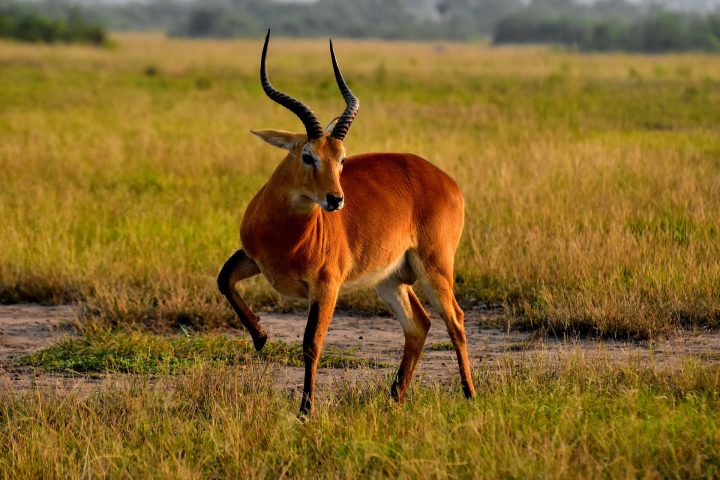
Other animals to look out for in Kidepo Valley National Park include giraffes, zebras, jackals, elands, hartebeests, kobs, Defassa waterbucks, kudus, reed bucks, bush bucks, guenther’s dik-dik, Bright’s gazelle, spotted hyenas and many more.
Kidepo Valley National Park is also a haven for up to 5 primate species namely the olive baboons, patas monkeys, vervet monkeys, red-tailed monkeys and the black and white colobus monkeys.
Bird Species
Kidepo Valley National Park protect up to 475 bird species which is the second highest of any Protected area in the country. The Park has up to 56 Raptor species and known to protect East Africa’s only populations of the African rose-ringed parakeet and the clapperton’s francolin.
Other notable birds to look out for in this National Park include the common ostrich, secretary bird, Bateleur eagle, pygmy falcon, dark chanting goshawk, tawny eagle, Egyptian vulture, grey kestrel, fox kestrel, pallid harrier, white-faced scoops owl, karamoja apalis, Jackson’s hornbill, black-breasted barbets, superb starling, Silverbird flycatcher, scarlet-chested sunbird, clapperton’s spurfowl, white-headed buffalo-weaver, yellow-necked spurfowl, rose-ringed parakeet, steel-blue whydah to mention but a few.
Apoka Tourism Center
This is the Park’s tourism hub located in the heart of the Park and known to host most of Kidepo National Park’s tourism activities such as game drives, nature walks, bird-watching excursions and many more. This tourism hub in the Park features several facilities such as craft shops, lodges like Apoka safari lodge which is one of the luxury lodges in the Park and may more.
Narus Valley
This is Kidepo’s prime game-viewing area offering a reliable water source that attracts large concentrations of animals and birdlife. This valley is not only a water source for animals but also a reliable food source for grazers as well as apex predators. It is known for its rolling grasslands plains enclosed by distant mountains offering splendid scenic views to visitors. This valley is also a haven for the Park’s bird species both savanna birds and water birds such as herons, ground hornbills, African jacana, yellow-billed stork, white-faced whistling duck and many more.
Kidepo Valley and the Kanangorok Hot Springs
This valley is named after its magnificent Kidepo River within the valley though season known to dry up during a prolonged dry season. This valley is famous for the scenic Borassus palm trees, a delicacy of elephants as well as indigenous communities close to the Park. The Kidepo valley also features a 50 meter wide sand riverbed that is lined with Borassus palms in the north best for photography and scenery. The Kanangorok hot spring is situated near the South Sudan border with its water springs reaching up to 50degrees C.
Mount Morungole
Mountain Morungole is also known as the IK land that stands at 2,750 meters above sea level situated along the eastern border of the Park. This mountain is known as the main stronghold of the country’s remaining populations of the IK people. This group of people is the country’s smallest ethnic group with a population of about 10,000 people holding their own unique cultural values and norms. Mountain Morungole offers moderate level hikes to visitors interested in exploring this indigenous group of people in their home settings.
Kidepo’s Cultural Heritage and Local Communities
Kidepo’s cultural heritage is made up of mainly two indigenous tribes namely the Karamajong people and the IK group of people. The Karamajong people are a distinctive tribe known to settle along the edge of Kidepo Valley National Park living in their Manyattas (villages) surrounded by sharp with small entry points for people and large entry points for their cattle.
These people are largely known for their love for cattle and cattle rustling an activity they used to partake as a means of obtaining and protecting their cattle. They are also known for their resistance to the changing and trappings of the modern world viewing new trends in lifestyle education, technology, dress code, fashion, housing and many others as unnecessary inconveniences. They so much take a lot of pride in their culture and customs with much value in their cattle since it’s what they entirely depend on for survival.
Whereas the IK people are known to thrive on Mount Morungole where they settled after possibly running away their warrior neighbors the Karamajongs. They were the first settlers of this region largely depending on farming and cultivation though traditionally known to have been fruit gatherers and hunters contrary to the Karamajongs who have entirely depended on cattle keeping for their entire life. Therefore visiting these indigenous tribes offers a unique cultural immersion and experience where visitors learn about their cultural traditions, values and beliefs.
Namamukweny Valley
Namamukweny is a Napore word meaning a place with no birds or a lonely place without or with few people. However regarding the birds, it’s quite the opposite with this valley housing a large number of bird species such as the green-wood hoopoe, common bulbul, white-crested turaco, eastern paradise whydah and many others. It is therefore one of the Park’s ideal places for bird watching.
Activities in Kidepo Valley National Park
Game Drives
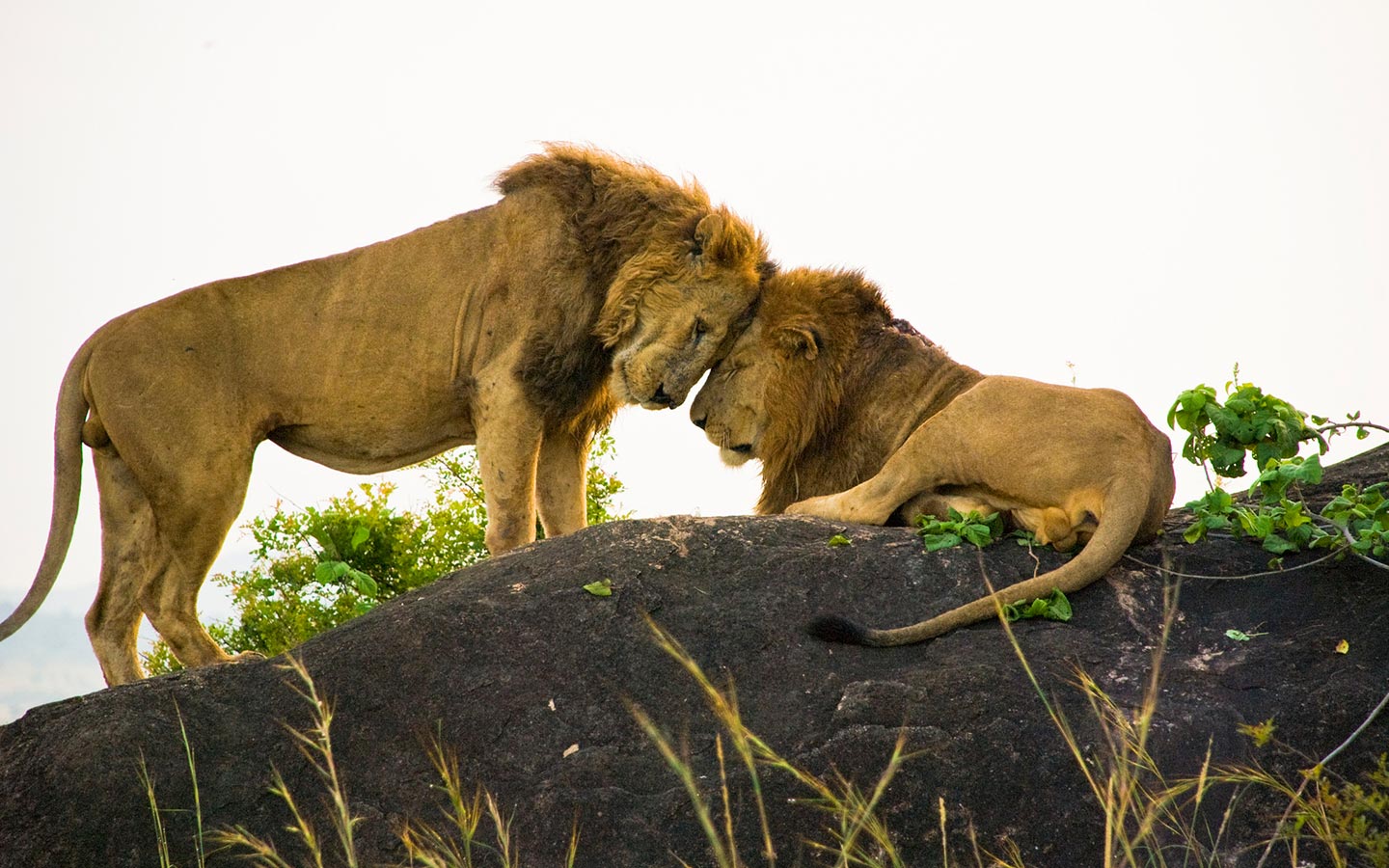
Game drives are one of the Park’s major activities and the perfect way to explore its hidden treasures. Kidepo Valley National Park offers morning game drives, evening and night game drives in the Park’s wildlife-rich Narus valley with each game drive offering a totally unique game viewing experience. Morning game drives start as early as 6:30am in a 4×4 safari vehicle with a pop-up roof for visitors to have unobstructed views of wildlife species, sunrise with backdrops of mountains and animals as well as the Park’s beautiful scenery. These offer an experience of the early risers of the wild also known as the early grazers such as herds of elephants, giraffes, various antelope species and many more. Evening game drives offer opportunities to spot predators as they get out of their hidings to embark on hunting whereas night game drives offer opportunities to spot nocturnal animals that become very active in the night. This is also the perfect time to see the big cats such as lions, leopards, caracals, cheetahs as well as other predators like the side-stripped jackals, hyenas, aardwolves and many more.
Bird Watching
Kidepo National Park stands as one of the best bird watching spots in the country with a recorded number of up to 475 bird species which is the second highest of any Protected Area in Uganda. Bird watching spots in the park include the Narus valley, Apoka Rest Camp and the Namamukweny valley.
Birding excursions are best done in a safari vehicle or during nature walks either early in the morning when birds are still very active or in the evening. With the help of an experienced birder guide, visitors are able to spot numerous bird species such as the kori bustard, common ostrich, Egyptian vulture, grey kestrel, fox kestrel, pallid harrier, white-faced scoops owl, karamoja apalis, Jackson’s hornbill, black-breasted barbets, superb starling, Silverbird flycatcher, scarlet-chested sunbird, secretary bird, Bateleur eagle, pygmy falcon, dark chanting goshawk, tawny eagle and many more.
Hiking and Nature Walks
Other than exploring the Park’s hidden treasures, Kidepo Valley National Park can also be explored on foot in accompaniment of an armed ranger with a guide. This is the perfect way to learn about the Park’s ecosystem in details including things that are often not given close attention during game drives. Popular trails that are taken during nature walks include the Rionomoe trail, Kakine circuit and the scenic trek along the dry riverbed of Kidepo River. The Park also supports moderate hikes for example along Mount Morungole to capture the Park’s stunning scenery or to meet the IK group of people.
Cultural Encounters and Village Visits
Cultural tours take visitors to local communities where they immerse themselves in local traditions of the two indigenous tribes that live along the edges of the Park. These include the Ik Group of people that requires visitors to make hikes up to the slopes of Mount Morungole to have a true experience of a true African traditions and indigenous culture. In their communities, visitors learn about their fascinating way of life, history and cultural values as they capture the eye-blowing scenery of the surroundings. Karamajong cultural encounters take visitors into the Karamoja local communities to have a raw feel of their ancient and current cultural values, practices and norms. In their homesteads, visitors experience their manyattas where learn about their livestock-centered culture, traditional practices such as beadwork, nose and mouse piercing as well as enjoy their cultural dances.
Kanangorok Hot springs Visits
Visitors often make it to the Kanangorok hot springs to enjoy the stunning views of the surrounding Mountain ranges as well as the South Sudan border since it is located past the Kidepo river valley in the north close to Uganda’s border with Sudan.
Best time to visit Kidepo valley National Park
The best time to visit Kidepo Valley is during the dry season in the months of June to early September and December to February. During this period of the year, the vegetation thins down offering unobstructed wildlife viewing opportunities and sightings. Numerous animal species also converge around the Narus water source since most of the water sources dry up during this dry period which offers visitors opportunities to see various animal types without driving for long. The game drive tracks are also dry and accessible which makes wildlife viewing easy and enjoyable.
Accessibility
Kidepo National Park can be accessed by both Road and Air transport. By road, the Park is about 525 kilometers away from Kampala implying that travelers have to endure up to 10hours drive to the Park. There are several routes to the Park with the most direct one being through Gulu to Lokumoit gate. This journey can however be broken down with overnights at Ziwa Rhino Sanctuary or Murchison Falls National Park to avoid traveling for long on one journey.
By air, Kidepo valley National Park can be accessed by catching domestic chartered flights from either Entebbe airport or Kajansi airstrip to Apoka Airstrip where visitors are picked up in a 4×4 safari vehicle to embark on their activities in the Park. It’s advisable to make these arrangements with a reputable tour operator.