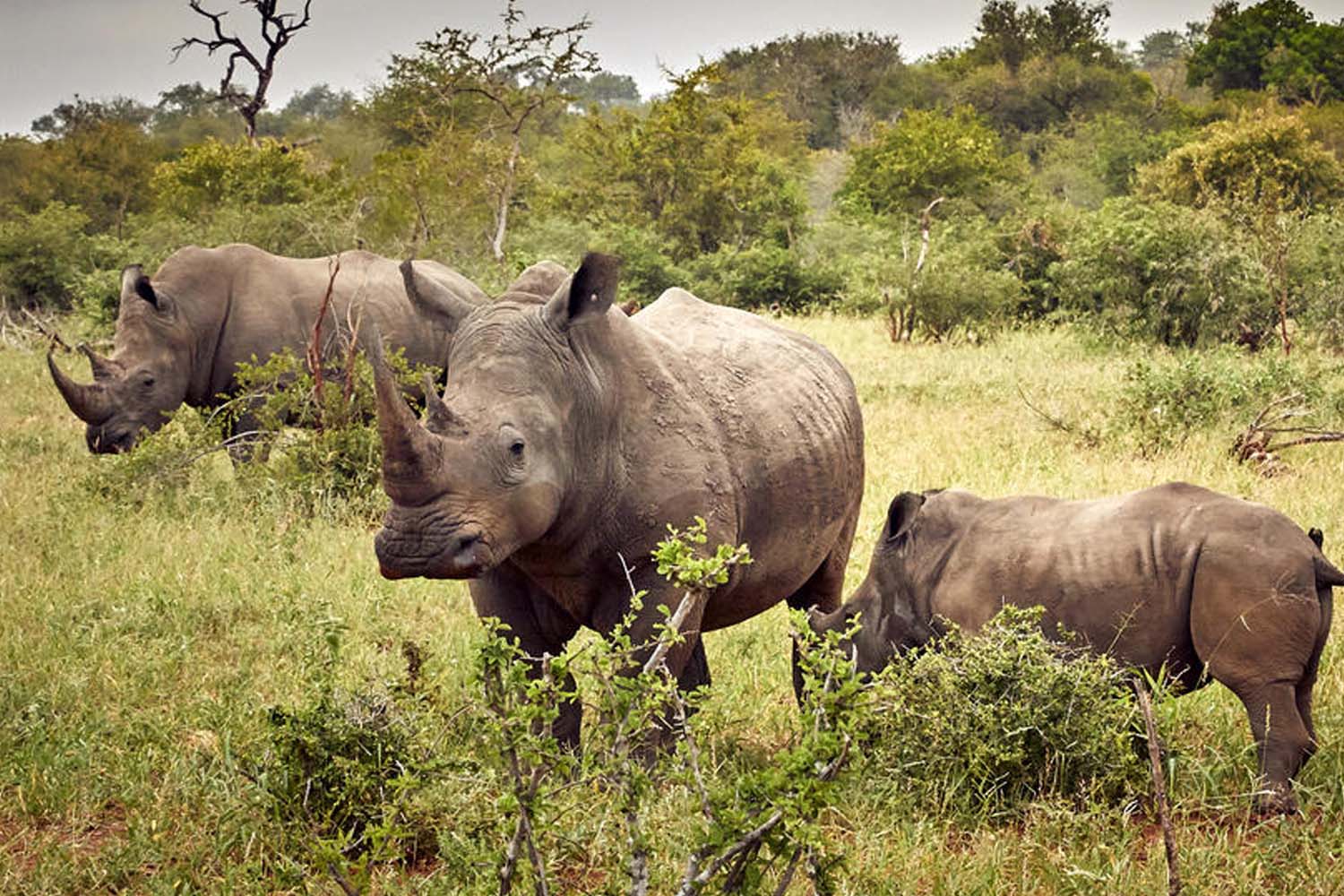
Ziwa rhino sanctuary was established in 2005 to increase the longevity of white rhinos in Uganda after the poachers killed the last one in Murchison Falls, Ziwa Rhino Sanctuary is the only place primarily dedicated to the conservation of rhinoceroses where one can view or observe the endangered creatures in Uganda.
Ziwa Rhino Sanctuary is located in the Nakasongola district north of Kampala; Midway Murchison Falls National Park; is 3 hours from Kampala.
Uganda was home to both black and white rhinos, however, due to poaching and habitat loss, rhino populations declined dramatically in the 20th century.
By the early 1980s, rhinos were declared extinct in Uganda. In the late 1990s, the Ugandan government, in partnership with conservation organizations such as the Rhino Fund Uganda (RFU), embarked on a mission to bring rhinos to the country after recognizing the need to reintroduce and conserve rhinos.
The goal was to reestablish a viable rhino population and restore the ecological balance of Uganda’s national parks.
Uganda doesn’t have any wild rhinos as they were killed off during the 1970’s and 1980’s due to rampant poaching, habitat loss, and instability caused by political conflicts.
As a result, both white and black rhinos were declared extinct in the wild. During this time, Uganda’s wildlife faced similar challenges as those in other African countries where poaching for rhino horns, prized in some traditional medicine practices, reached critical levels.
The sanctuary began with the translocation of six southern white rhinos from Kenya and these rhinos were carefully monitored and protected within the sanctuary with a primary goal of breeding rhinos and ultimately reintroducing them into Uganda’s national parks. Over the years, the sanctuary has expanded both in terms of its rhino population and its conservation efforts.
As the last update indicates 41 rhinos from the 6 that started with the sanctuary through the Rhino Fund Uganda and Uganda Wildlife Authority as of June 2024. The ranch offers a haven for the rhinos while allowing human interaction until the time when they are reintroduced into the different parks in Uganda.
Away from the rhinos, Ziwa Rhino Sanctuary has 40 mammals like the giant pangolin, hippos, leopards, bushbucks, duikers, warthogs, waterbucks, kobs, crocodiles, oribis, vervet monkeys, mona monkeys, blue monkeys, black and white colobus monkeys and many more; 350 bird species including shoebill, grey crowned crane, African fish eagle, African jacana, pied kingfisher, African pygmy kingfisher, marabou stork, white egret, red-billed ox-peckers, African grey hornbill, Nubian woodpecker, Marico sunbird, grey kestrel, Egyptian goose, western banded snake eagle, purple heron, bee-eaters, cormorants, barbets, warblers, flycatchers, bush shrikes, and many more with savanna, woodlands, plants and wetlands that make it a perfect habitat for the wildlife.
The sanctuary continues to be a critical part of Uganda’s broader wildlife conservation strategy, with the hope that rhinos will one day thrive in the wild again across the country. The success of Ziwa Rhino Sanctuary serves as a hopeful example of how conservation efforts can restore endangered species to their native environments.
ATTRACTIONS
These attractions make Ziwa Rhino Sanctuary a unique and exciting destination for nature lovers, conservation enthusiasts, and tourists seeking an authentic wildlife experience in Uganda.
Rhinos
The sanctuary serves as a haven for these rhinos, providing them with suitable habitat and protection from poaching threats making them the main attraction to be enjoyed. The rhinos in Ziwa Rhino Sanctuary are carefully monitored and managed by conservationists and park rangers.
Efforts are made to ensure their well-being, including regular health checks, habitat management, and security measures to prevent poaching. Currently standing at 41 rhinos as of June 2021, one has a good number whilst out tracking.
Wildlife
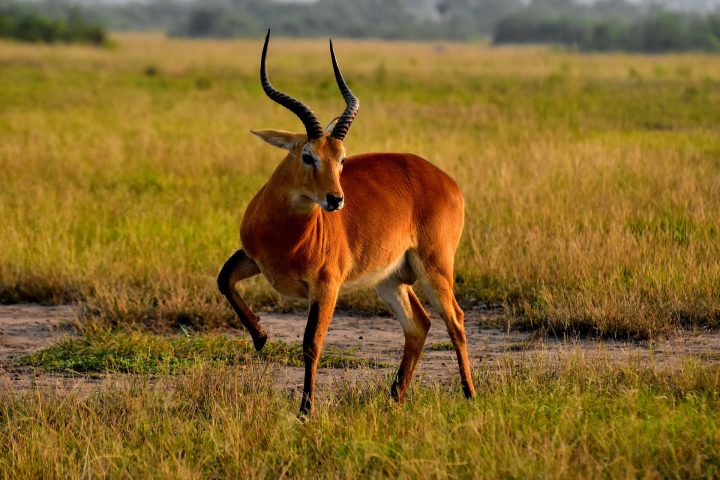
Away from the white rhinos, the sanctuary has about 40 other mammals and some primates that can be observed once at the sanctuary. These include the elusive leopards, crocodiles, hippos, oribis, bushbucks, waterbucks, kobs, bohor reedbucks, duikers, and more with the inclusion of vervet, blue, mona, and black and white colobus monkeys.
Birds
With over 350 bird species, birders are also sorted when they visit the sanctuary. Birds like Shoebill Stork: One of the most sought-after bird species in Uganda, the African Fish Eagle, yellow-billed stork, grey-crowned crane, Red-throated bee-eater, pied kingfisher, marabou stork, African jacana, malachite kingfisher, harmerkop and many more.
Flora
The sanctuary encompasses diverse habitats ranging from savanna to woodland and wetlands; as a result, the sanctuary supports a rich variety of flora, including Various species of acacia that are common in the savanna, Commiphora trees, Ficus trees, wetland plants, savanna shrubs and woodland areas of Ziwa Rhino Sanctuary.
Activities in Ziwa Rhino Sanctuary
Rhino tracking
This is the main activity as the sanctuary was created for the rhinos that had gone extinct enabling tourists to have the experience as an option and a popular one.
This offers visitors the rare opportunity to see rhinos in the wild. Tourists are accompanied by experienced rangers who follow rhino tracks or dung and this tracking takes between 1-5hrs depending on the location and movement of the rhinos.
Once they are spotted one has the chance to observe them and take pictures from a distance to ensure minimal disturbance to the rhinos. During the tracking, tourists will encounter other wildlife such as warthogs, antelopes; birds like African thrush, butler eagle, gonoleks, African grey hornbill, common bulbul, and many more.
Birding
Another popular activity for birders and nature lovers is the sanctuary is home to a diverse array of bird species with over 350species including some rare and sought-after birds making it a rewarding birding experience. Spots like Lugogo swamp with the woodlands and savannahs attract species to thrive in the habitats.
Expect to spot birds like African fish eagles, grey-crowned cranes, shoebill storks, herons, warblers, egrets, woodpeckers, geese, turacos, sunbirds, Red-throated bee-eater, pied kingfisher, marabou stork, African jacana, malachite kingfisher.
African fish eagles, grey-crowned cranes, shoebill storks, herons, warblers, egrets, woodpeckers, geese, turacos, sunbirds, Red-throated bee-eater, pied kingfisher, marabou stork, African jacana, malachite kingfisher. The sanctuary offers knowledgeable local guides to lead the tours giving you the chance to appreciate the avian life as you support the rhino conservation efforts at four different trails.
Shoebill canoe ride
This ride allows visitors to navigate the swampy areas quietly and closely to observe birds like the rare shoebill and other aquatic birds in their natural habitat.
This activity combines birdwatching with a peaceful canoe ride through the wetlands, providing a unique and immersive experience. On top of the elusive shoebill, expect African jacanas, kingfishers, herons, and egrets and this normally takes between 1-3 hours depending on the birds’ activity.
Guided nature walks
Guided nature walks give a tourist a unique chance to explore the diverse habitats with its flora and fauna. The walks always start with an introduction to the sanctuary with safety precautions highlighted to ensure a beautiful experience.
As one traverses through the sanctuary, one will see different plants, and trees, birds like African fish eagles, grey crowned cranes, and pied kingfishers; wildlife like bushbucks, waterbucks, and kobs and primates like vervet monkeys. This is an experience that allows nature lovers of all ages to connect with nature and learn about how to preserve it or its heritage and it takes about 1-3 hours depending on the interests and pace of the tourists.
Night nature walk
These are walks that happen after 8:00 pm with a park guide and take about 3 hours. It’s during this time that you will get a chance to see the nocturnal animals like leopards, aardvarks, porcupines, bush babies, genets, civets, nightjars, owls, and various species of frogs and insects, and others as you enjoy the night sounds and whispers which make for such beautiful memories with a chance to stargaze on clear nights. This activity allows you to connect with nature in a new profound way as you get exposed to the secrets of the night world.