Kundelungu National Park in the Democratic Republic of Congo situated in Haut-Katanga Province. Established in 1970, originally as a game reserve after hunting activities were suspended before being designated a national park; the park was created to protect the region’s diverse wildlife and unique ecosystems, particularly the savanna and woodland habitats, and covers an area of approximately 7,600 square kilometers. Kundelungu National Park is an IUCN category II park and it features a variety of landscapes, including high plateaus, rolling hills, and dramatic waterfalls with one of the most notable waterfalls being the Lofoi Falls at 1,120ft making it one of the highest falls in Africa.
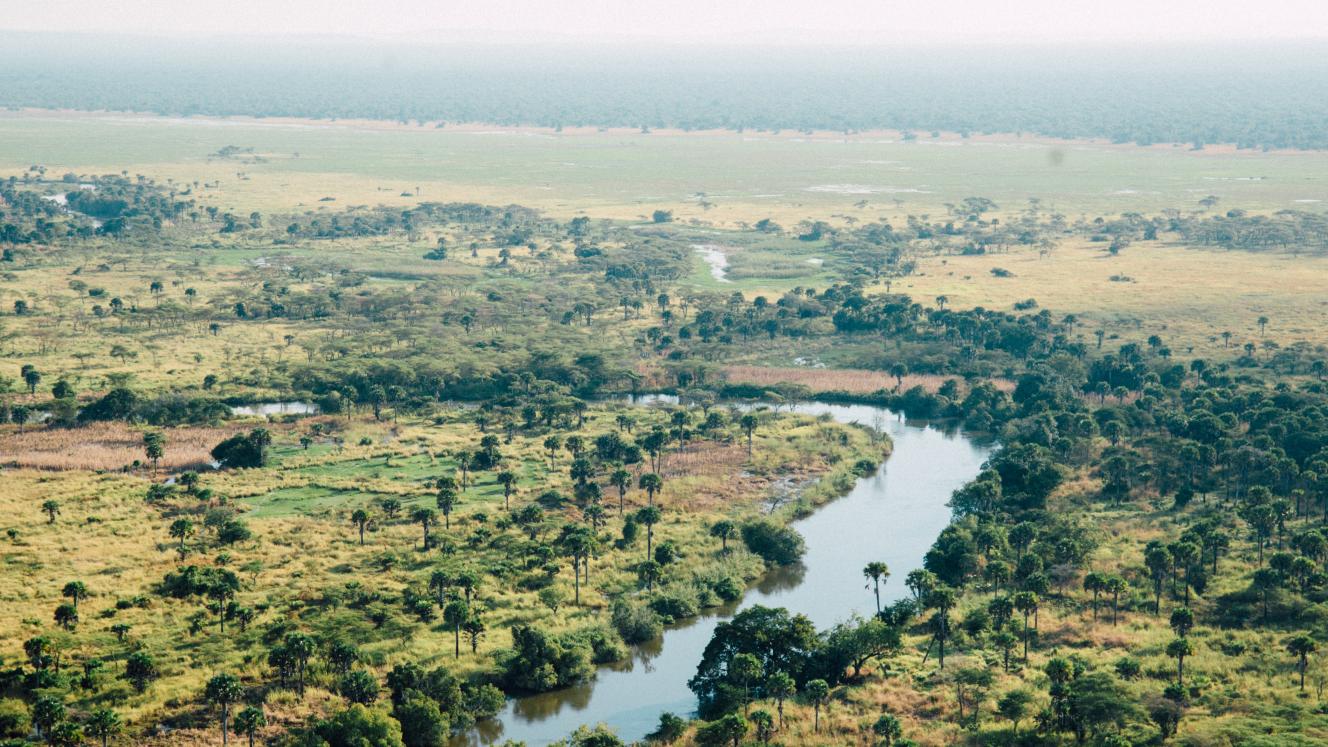
Kundelungu National Park is renowned for its rich biodiversity, encompassing a variety of ecosystems that support a wide range of flora and fauna. The savanna is characterized by tall grasses, including species like anthropogony, and hyparrhenia, scattered trees and shrubs such as acacias and combretums are common. The park also has woodlands mainly dominated by species of the Brachystegia genus, miombo woodlands are a significant component of the park’s landscape, and gallery forests found along rivers and streams provide a lush, dense habitat supporting a rich variety of plant species.
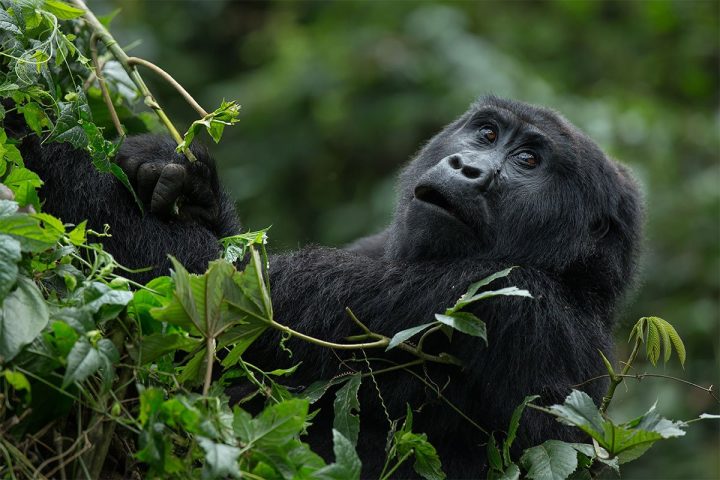
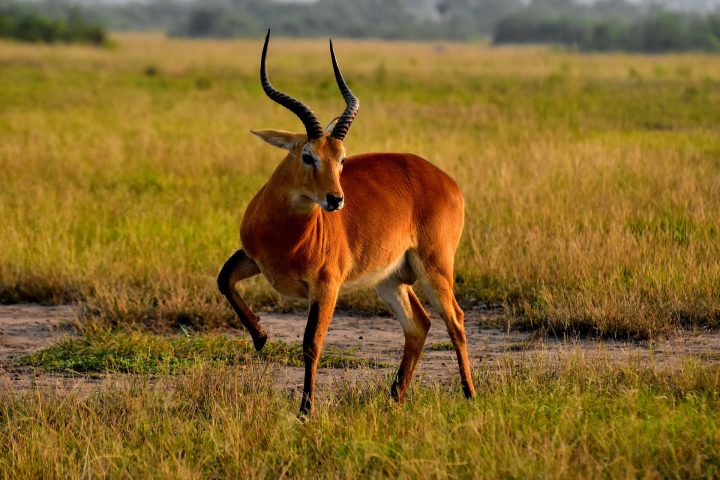
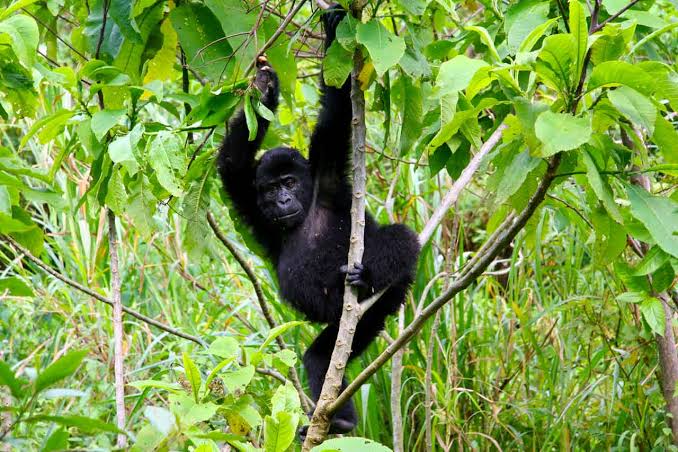
The park has a diverse array of fauna registered which includes mammals like lions, cheetahs, leopards, hippos, buffaloes, antelopes, impalas, jackals, warthogs, snakes, baboons, zebras, monkeys, and more with bird species like yellow-billed ducks, helmeted Guinea fowls, coqui francolin, little grebes, mourning collared-doves, black-bellied bustard, mottled swifts, wattled cranes, lapwings, sandpipers, Harmerkop, egrets, herons, vultures, barn owl, southern ground-hornbill and many more.
Attractions in Kundelungu National Park
Lofoi falls
This being one of the largest waterfalls in Africa makes the Lofoi Falls the main attraction as it stands at 348m. The falls cascade down a cliff, surrounded by lush vegetation and diverse wildlife, creating a breathtaking scenic view. The waterfall and its surrounding area provide a unique microhabitat that supports a variety of plant and animal species, contributing to the park’s overall biodiversity and as a key attraction for visitors to Kundelungu National Park, drawing nature enthusiasts, photographers, and adventure seekers. It encourages activities like hiking, photography, and wild viewing offering opportunities to explore the diverse ecosystems.
Lufira River
Following through the park, the river offers landscapes showing off the lush vegetation along the banks and tranquility for tourists to enjoy. The river supports a diverse range of aquatic life and avian life making it an important habitat for birding and wildlife viewing with the additional thrill of the waterfalls which are a major attraction in the park. The Lufira River’s contribution to the park’s ecosystem and its scenic charm make it an integral part of the Kundelungu National Park experience.
Flora and fauna
the rich biodiversity makes the park quite the view diverse array of fauna including lions, hippos, buffaloes, zebras, cheetahs, snakes, monkeys, and baboons with birds like doves, egrets, herons, bustards, francolins, lapwigs, and many more with the perfect habitats as per the parks flora of woodlands, savanna grasslands, gallery forests and aquatic plants also contributing to the parks rich plant diversity. All of which is crucial to the park’s ecosystem.
Activities in Kundelungu National Park
Game drives
Game drives in Kundelungu National Park offer a thrilling way to experience the park’s diverse wildlife and stunning landscapes and they are a popular activity in the park. Tourists can expect to see animals like cheetahs, antelopes, servals, lions, crocodiles, buffaloes, snakes, monkeys, hippos, jackals, and more plus bird species like shoebills, sparrow weavers, bee-eaters, chestnut owlets, Angola lark, cisticola, honey guide, flycatchers, pelicans and more. On a lucky day, tourists can encounter the big cats hunting for their prey. All this is done with an experienced guide with knowledge about the park’s ecosystem.
Birding
The park is home to numerous bird species, making it a paradise for birdwatchers. Kundelungu is home to quite several bird species due to its diverse habitats which makes it perfect for birding. Tourists are certain to see some bird species like cranes, sharp-tailed starlings, sunbirds, marabou stocks, pelicans, egrets, African fish eagles, Angola larks, grey-throated barbet, bee-eaters, honeyguides, turacos, African jacana and more with a detailed guide with all the information necessary for the tourists.
Hiking
This is a fantastic way to explore its diverse landscapes, enjoy its rich biodiversity, and witness its stunning natural features up close. Trails like Lofoi, Lutshipuka, and Masansa Falls give us beautiful views from the top of the falls and are a rewarding experience for tourists. Expect to see animals like antelopes, jackals, warthogs, snakes, buffaloes, and hippos plus some bird species like pelicans, egrets, marabou storks, and many more with the help of a guide. Whether you’re marveling at the towering Lofoi Falls, exploring the savannas, or discovering the park’s rich biodiversity, hiking here is an adventure that promises both excitement and tranquility.
Swimming
This is a unique experience, offering visitors the chance to cool off in natural pools and rivers surrounded by the park’s stunning landscapes with Lutshipuka Falls as the main spot. However, spots like the Lofoi and Masansa Falls also offer a beautiful experience. This can all be coupled with wildlife viewing, photography, and hiking to make for a memorable experience. You can enjoy a delightful swim amidst some of Africa’s most stunning landscapes. Whether you’re cooling off after a hike to Lofoi Falls or enjoying the tranquility of the natural pools in Kundelungu National Park offer an unforgettable swimming experience.
Community tour
Many communities live around the park, including the Bemba, Luba, Lunda, Sanga and Hemba.
Most of these communities often engage in agriculture, fishing, animal husbandry and some small scale trading. The communities have a rich cultural heritage; through music, dance, drama and storytelling, tourists can learn more. These communities often rely on the natural resources provided by the park and surrounding areas for their livelihoods. With the help of a local guide tourists get to experience the beauty of the communities around the park including the some wildlife and avian life.