
Semuliki National Park is one of Uganda’s top birding destinations in the country located in southwestern region. The Park is known to harbor over 435 bird species including the 35 Guinea-Congo biome bird species, 23 Albertine rift endemics, and migratory and forest bird species.
Semuliki National Park can be accessed by road transport where one drives from Kampala via Mubende-Fort Portal and then connects to the Park which takes to about 5 to 6 hours. By Air, Semuliki National Park can be accessed by booking a domestic chartered flight from Entebbe International Airport or Kajansi Airstrip to Semuliki Airstrip and then connecting to the Park headquarters by road.
Birding in Semuliki National Park just like in any other birdwatching destination, starts with a briefing about what is required of one and one’s expectations during this activity. Birdwatching can be either done in the morning or evening with the guidance of an experienced bird guide as you look out for different bird species.
Bird species to spot in Semuliki National Park include long tailed hawk, Nkulengu rail, spot-breasted ibis, yellow-throated cuckoo, western bronze-napped pigeon, black-throated coucal, piping hornbill, white bellied kingfisher, black dwarf hornbill, red-billed dwarf hornbill, white-thighed hornbill, red-rumped tinker bird, white crested hornbill, black-casqued wattled hornbill, African piculet, Gabon woodpecker, lyre-tailed honey guide, rufous-sided broadbill, yellow-throated nicator, leaf love, Icterine greenbul, Xavier’s greenbul, swamp palm bulbul, fire crested Alethe, green-tailed bristle bill, orange-cheeked waxbill, grant’s bluebill, chestnut-breasted negro-finch, blue-billed Malimbe, Maxwell’s black weaver, red-bellied Malimbe, blue-headed crested flycatcher, northern bearded scrub robin, common stonechat, shinning-blue kingfisher, white-thighed sparrow hawk, capped wheatear, blue-shouldered robin chat, chestnut-breasted Negrofinch, piping hornbill, lemon-bellied crombec, Congo serpent eagle, purple-glossy starling, red-throated bee eater, Mountain greenbul, hairy-breasted barbet, swamp nightjar, Chestnut-flanked goshawk, Abyssinian ground-thrush, double-toothed barbet, Cassin’s spine tail, Toro olive greenbul to mention but a few. The above bird species are easily seen by following the Park’s trails such as the Sempaya nature walk trail to Ntandi, Kirumia trail, River Semuliki, and along the roadside.
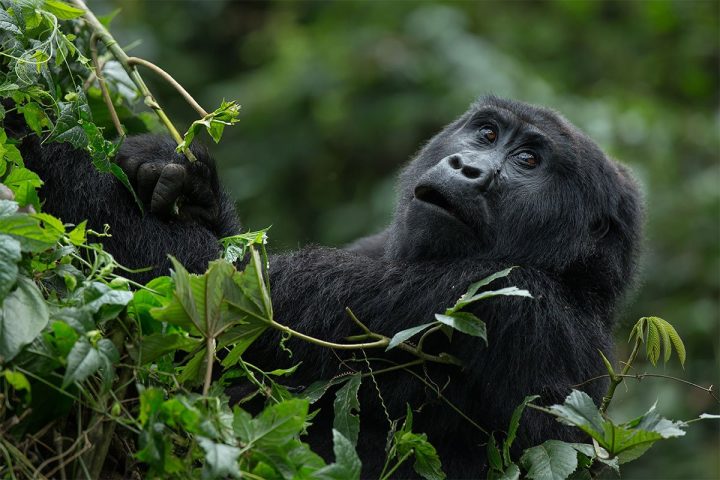
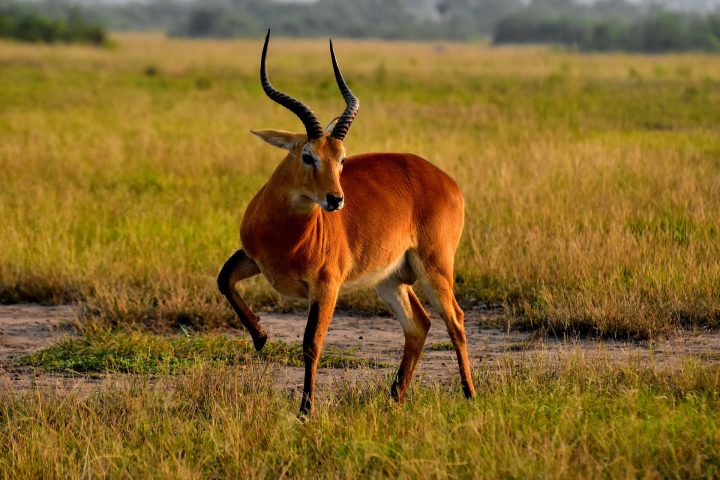
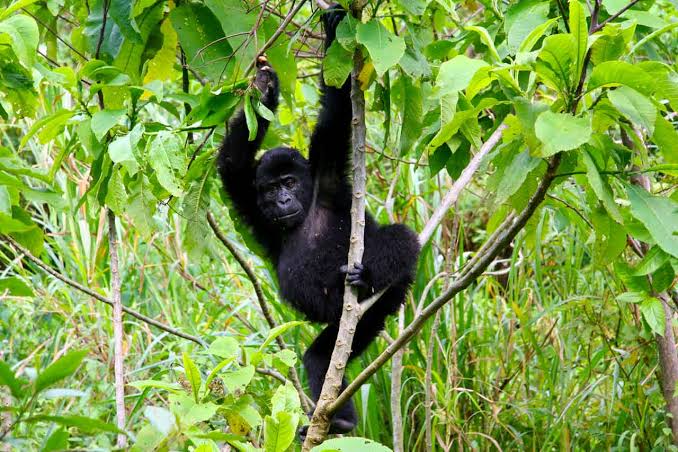
Semuliki National Park is not only a perfect place for birdwatching but also a place for game viewing since it harbors up to 53 mammal species including warthogs, forest elephants, sitatungas, waterbucks, Uganda kobs, buffaloes, hippopotamuses, several primates like red checked mangabeys, red colobus, olive baboons, vervet monkeys, red-tailed monkeys and many more.
The cost of birding in Semuliki National Park
Birdwatching in Semuliki National Park costs 40 USD per person for foreign nonresidents, 30 USD per person for foreign residents, and 30,000Ug shillings for East African citizens. These costs exclude Park entrance fees and other activity fees. The Park entrance fees are 35USD for foreign nonresidents, 25USD for foreign residents, and 15,000Ug shillings for East African citizens.
What to pack for your birding safari in Semuliki National Park
- A pair of binoculars
- Hiking shoes
- Long-sleeved light clothes
- Camera and extra batteries
- Rain jacket
- Sunglasses and hat
- Insect repellant
- Energizing snacks and drinking water
- Backpack
Best time for birdwatching in Semuliki National Park
Birdwatching in Semuliki National Park can be done all year round though the perfect time is during the wet season from early March to mid-May and then September to November. During this period, there is plenty of food that attracts several migratory bird species.
This is also the best time for breeding amongst the bird types making it easier to spot a variety of birds. However during this period of time there is plenty of rainfall that may hinder accessibility to various birding trails. Birdwatching can also be done during the dry season in the months of June to September and December to February. During this period, the birdwatching trails are dry and easier to navigate and thus offering a perfect birdwatching experience.