Ruaha national park is the largest national park in Tanzania covering an area of about 20,226 square kilometers. Ruaha national park derived its name from a Hehe word Ruvaha which means a river. Ruaha is Tanzania’s largest tourist destination famous for hosting flora and fauna ready to explore during Tanzania wildlife safaris. It is located in the south central of Tanzania about 130 kilometers from Kizigo-Muhesi ecosystem and it is formed by Rungwa, Kizigo and Muhesi game reserves. The park borders Nyerere national park in the west and in the south there is Serengeti national park.
Ruaha national park was gazetted as a game reserve in 1910 by the Germany government however in 1946 it was renamed Rungwa game reserve by the British, around 1946 the southern part was gazetted and named Ruaha national park and in 1974 the southern and eastern parts of the park were all incorporated to form Ruaha national park covering an area of 45,000 square kilometers, in 2008 the Usangu game reserve and other surrounding wetlands were combined to the park making it the largest protected national park in Tanzania and in East Africa. The park is composed of open savanna, rolling hills, vast escarpments and rocky outcrops with baobab trees seen throughout the park.
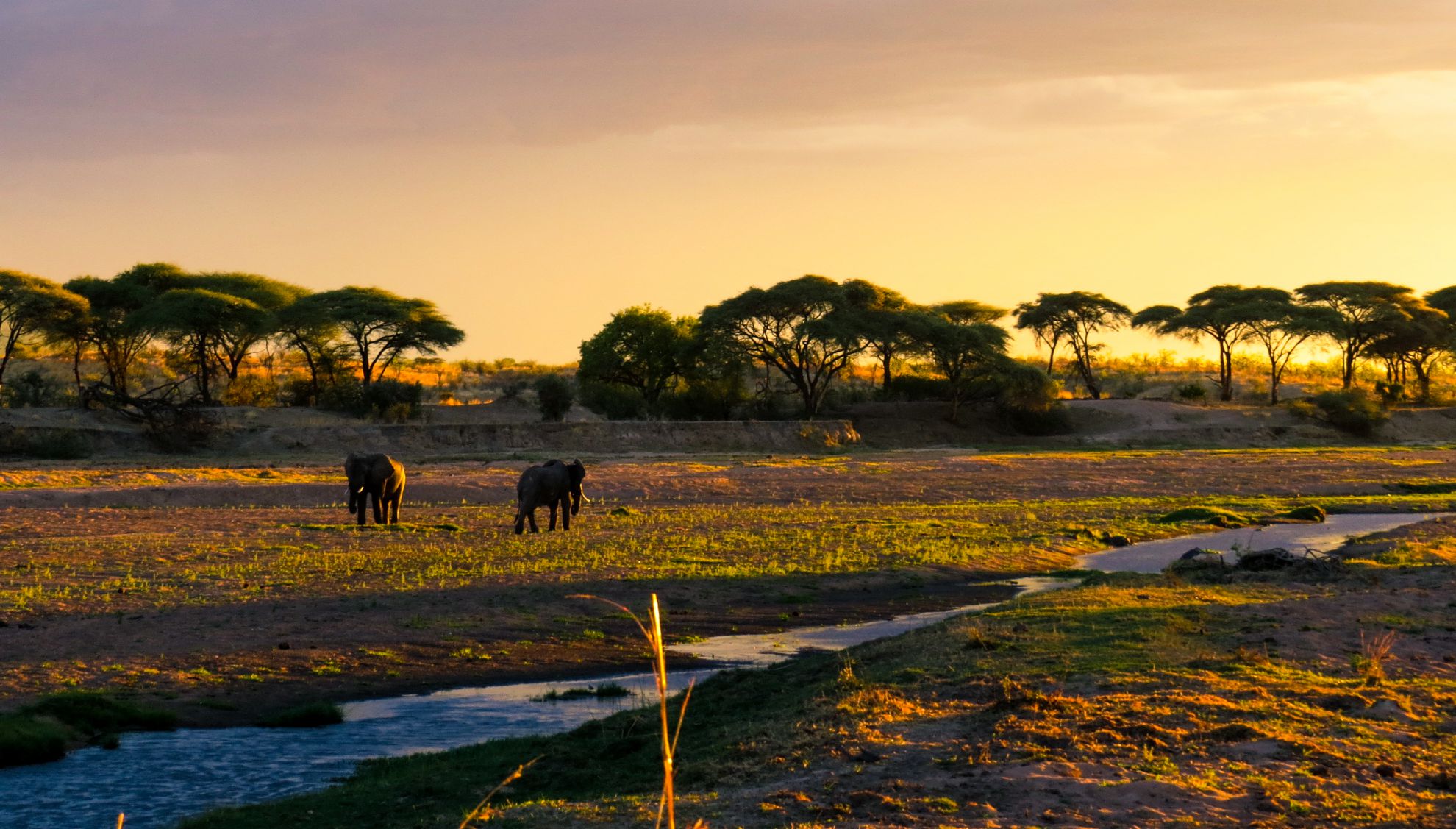
Ruaha national park is famous for hosting high number of elephants about 12,000 individuals, it is also known for having world’s 10% of the global lion population, the park is also a home to other wildlife for example; leopards, wild dogs, cheetahs, jackals, bat-eared foxes with over 574 recorded bird species making Ruaha one of the birding havens in Tanzania.
Attractions in Ruaha National Park
The park is gifted with a number of attractions that have pulled millions of travelers from all walks of life. The park is a home lions, cheetahs, leopards, wild dogs, hyenas and these are major savanna predators, other wildlife in the park ae; elephants, giraffes, birds, vegetation, rivers such as River Ruaha, hot springs such as Makinde spring among others.
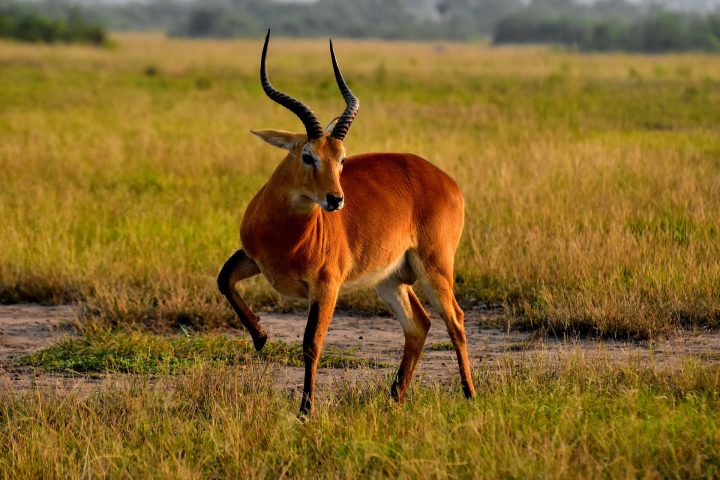
Animals in Ruaha National Park: The Park being the largest it is a home to a number of wildlife which are so attractive and spice up Tanzania safaris. The park accommodates greater and lesser kudus, sable and roan antelopes, hartebeests, topis, topis, reedbucks, grant’s gazelles, lions, leopards, elands, giraffes, wild dogs, impalas, bat-eared foxes, zebras among others. There are reptiles in the park for example crocodiles in Ruaha and Mzombe rivers in the park, poisonous and non-poisonous snakes, and monitor lizards among others.
Birds in Ruaha National Park: The Park is a birding haven with over 574 recorded bird species, making one of the best birding destinations that Tanzania boasts about. The park attracts migratory birds from all parts of the world for example there are those that migrate from Madagascar, Europe, Asia, Australia and other parts of Africa. The park is a home to endemic birds as well. Some of the bird species you will encounter in Ruaha are; ostriches, Eleanora’s falcons, goliath herons, Ruaha chat and Ruaha red-billed hornbills (Tokus Ruahae), crested barbets, black-collared lovebirds among others. Usangu basin which was annexed to the park was recognized as IBA.
Vegetation in Ruaha: Ruaha national park is a home to over 1650 plant species that are recorded and it portrays two vegetation types for example Zambezian vegetation composed of Miombo vegetation and Sudanian which is composed of Acacia vegetation.
Cultural Sites in Ruaha: Ruaha national park is a home to several historical sites that have attracted travelers from different walks of life to come and explore the southern Tanzania. The park is regarded as the land of the brave where Chief Mkwawa who was the chief of the Hehe tribe resisted the German rule in 19th century. The park was also used by the Arab traders between 1857 and 1858 and other European explorers that used this area as their routes were John Speke and Burton. The park is a home to various rock outcrops which were used as the hiding places for Chief Mkwawa empire the Kalenga which was defeated by the German in 1894. The park also hosts the Gogo Chief burial gave called Mapenza grave located near Mpululu. There are other traditional sites in Ruaha for example Ganga La Mafunyo rock and Nywanywa rock paintings.
Rivers in Ruaha: The Park accommodates so many rivers which are sources of water to animals and vegetation and other activities in the park. Some of the main rivers in the park include; Great Ruaha river, Mdonya river, Mzombe river, Jongomero and Mwagusi rivers. These rivers support humans that live in the park, animals and vegetation to flourish beautifying the park.
The landscape in Ruaha National Park: The Park has breathtaking landscapes which are so enchanting to the travelers while on the Tanzania wildlife safari. There are dramatic rolling hills in the park for example Nywanywa, Chariwindwi, Kilimamatonge, Nyamasombe, Mwayiui, Kibiriti, Magangwe, Ndetamburwa among others which are main kopjes in the park with breathtaking sceneries for various wildlife.
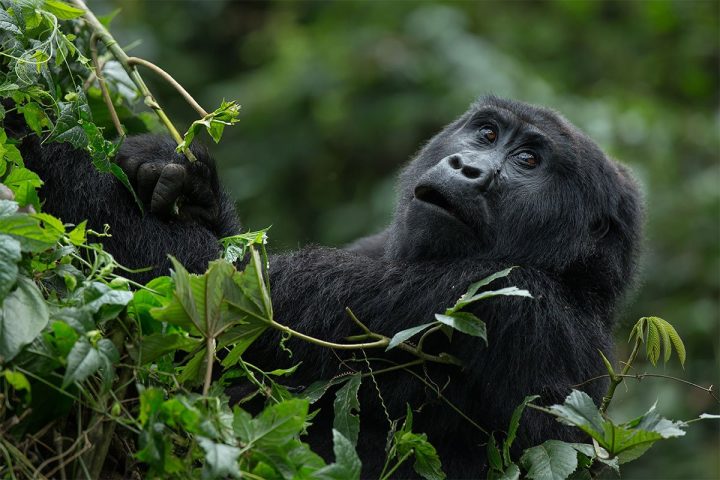
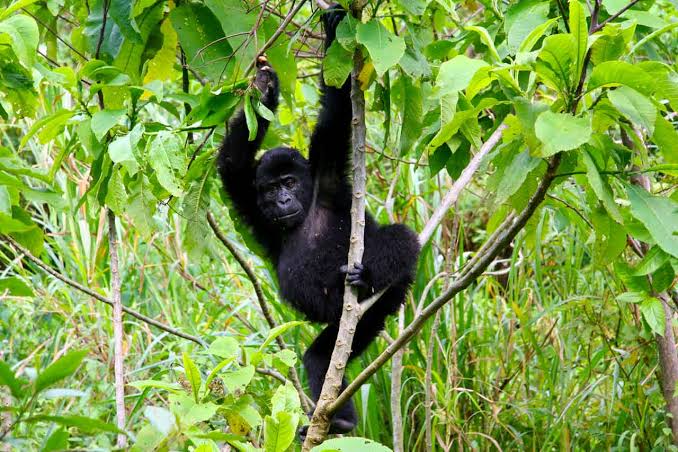
You can combine Ruaha national park safaris with gorilla trekking experience in Uganda by visiting Bwindi impenetrable national park and Mgahinga gorilla national park. Talk to us for an arrangement of your journey of combining Tanzania safaris and Uganda primates experience.