Are you a passionate adventurer seeking an ultimate combined Mount Rwenzori and Gorilla trekking adventure in Bwindi Impenetrable National Park? Uganda is also dubbed ‘The Pearl of Africa” It is a famous safari destination for wildlife and hiking tours in East Africa. Among its many treasures, two exceptional experiences stand out: hiking in the Rwenzori Mountains and embarking on a gorilla trekking adventure in Bwindi Impenetrable National Park. These extraordinary endeavors offer travelers the chance to immerse themselves in the untouched beauty of nature while encountering some of the most remarkable creatures on Earth.
A combined Mount Rwenzori hiking and gorilla trekking safari in Bwindi safari can be tailored to either start from Bwindi or Mount Rwenzori National Park. It all depends on the needs of the traveler.
Mount Rwenzori is a haven for rivers, waterfalls, streams, glaciers, rocks, birds, wildlife, and various vegetation covers. Taking on a combined Rwenzori hiking and mountain gorilla trekking tour is an opportunity to create a signature of memories.
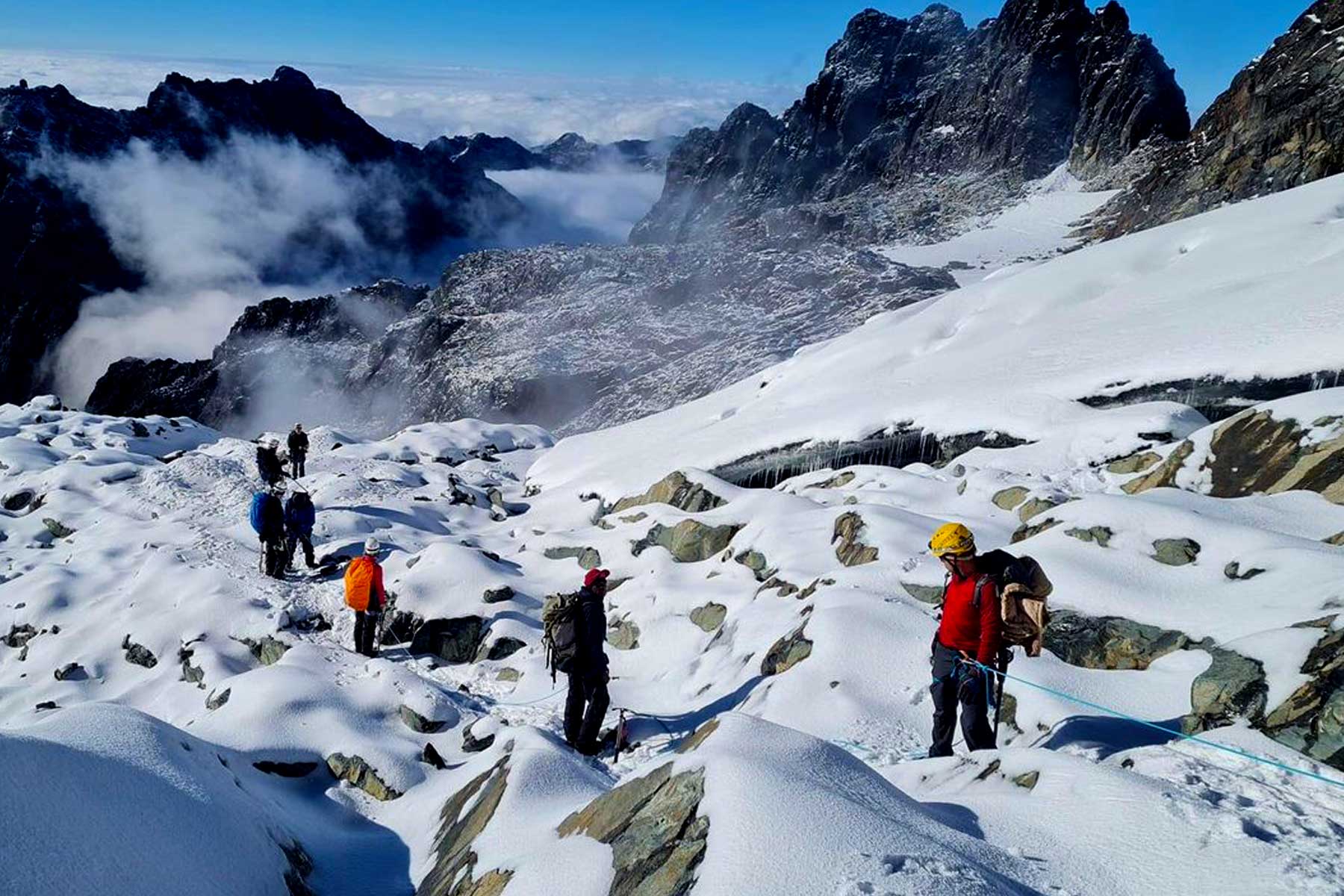
Mount Rwenzori is Uganda’s highest mountain and Africa’s third-highest following Mount Kenya (in Kenya) and Mount Kilimanjaro (in Tanzania). The mountain’s highest peak – Margherita is snow-capped throughout the year. It is the source of many rivers that supply the Rwenzori region with constant water. It is believed that Mount Rwenzori is the real source of the River Nile – the world’s longest River.
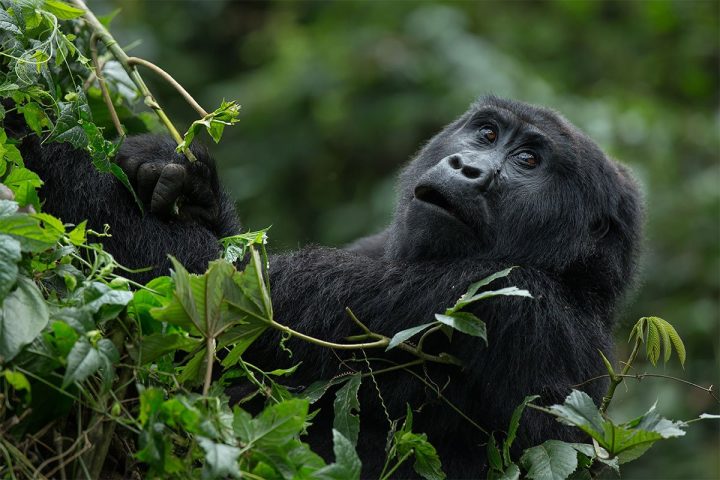
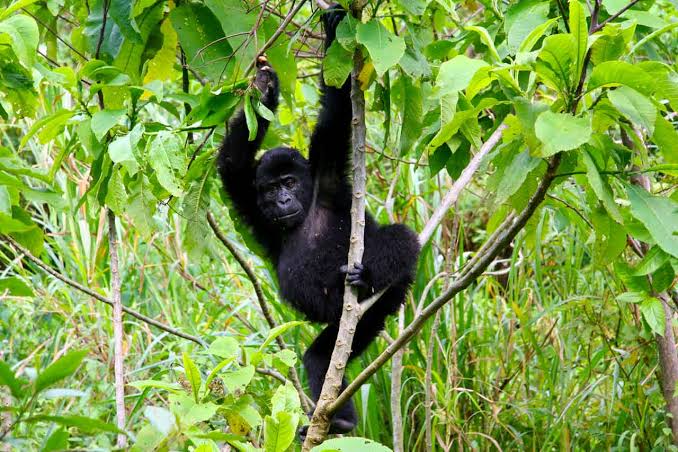
Located in the southwestern part of Uganda, Bwindi Impenetrable National Park is home to half of the world’s mountain gorilla population. A combined Mount Rwenzori and Bwindi gorilla safari is an extraordinary adventure that allows travelers to discover the hidden treasures of Uganda. Bwindi Impenetrable National Park is divided into four gorilla trekking sectors.
These include; the Buhoma sector, the Ruhija sector, the Nkuringo sector, and the Rushaga sector. Each of these gorilla trekking sectors in Bwindi is home to over 5 gorilla families ready for trekking. Bwindi Impenetrable National Park has over 22 habituated gorilla families ready for trekking.
How many days does it take to hike Mount Rwenzori?
Hiking Mount Rwenzori varies from one person to another depending on the hiking experience and the season. However, the average time for hiking to the top of Mount Rwenzori is 8 days. Hiking Mount Rwenzori is a demanding experience that requires a certain degree of expertise, experience, and physical fitness. If you have never done mountain climbing or Rwenzori hiking, do not fret. The mountain has easier hiking trails that are suitable for beginners.
What to see and do in Bwindi Impenetrable National Park?
Bwindi Impenetrable National Park offers a diverse range of safari activities to tourists or travelers. Below are some of the activities you should not miss on your combined Mount Rwenzori hiking and Bwindi Impenetrable National Park Safari;
Mountain Gorilla trekking in Bwindi Impenetrable National Park is a rewarding experience. The park is famous for being home to over 20 habituated gorilla families. Bwindi National Park is divided into 4 sectors (Rushaga, Buhoma, Ruhija, and Nkuringo) and each is a reliable mountain gorilla trekking spot.
A gorilla trekking tour in Bwindi Impenetrable National Park starts with an early morning breakfast at your lodge. You then transfer to the park headquarters for a pre-gorilla trekking briefing. After learning about the dos and don’ts of gorilla trekking, you enter the impenetrable thickets of Bwindi in search of a particular gorilla family. Some of the gorilla families in Bwindi include; the Bitukura gorilla family, the Bweza gorilla family, the Nkuringo gorilla family, the Kyaguriro gorilla family, the Habiyanja gorilla family, the Rwamutwe gorilla family, and many more. Upon meeting the gorilla family, you will spend one hour in their presence. Take as many pictures as you wish but ensure to follow photography rules and regulations in Bwindi.
Birding in Bwindi Impenetrable National Park is yet another amazing safari activity to look up to on your combined Rwenzori hiking and Bwindi adventure safari. The park is home to over 400 bird species some of which include the magical Rift Valley endemics.
On your Bwindi birding tour, you will get up close with bird species like the Abyssinian ground hornbill, dwarf honeyguide, yellow-eyed black flycatcher, regal sunbird, dusky Crimsonwing, blue-headed sunbird, Rwenzori batis, Rwenzori turaco, to mention but a few.
Guided nature walks in Bwindi are equally rewarding. A forest walk in Bwindi Impenetrable National Park will introduce you to ancient tree species that are believed to be more than 1000 years old.
Bwindi has a rainforest that is impenetrable as the name suggests. It is home to diverse floral and butterfly species. Learn about some trees that are used as herbal medicine. Guided nature walks will also lead you to amazing animal encounters, get up close with bush pigs, white colobus monkeys, antelopes, and many more.
Batwa and Bakiga Community tours in Bwindi Impenetrable National Park give travelers an extraordinary experience on a Uganda safari. The park is surrounded by one of Africa’s ancient and indigenous tribes – the Batwa tribe. These are short people and they are the ancient dwellers of the tropical rainforests of Uganda Rwanda and the Democratic Republic of the Congo. Batwa community tours give you a chance to learn about the traditions and customs of Africa. You will participate in fire-making and hunting. The Batwa tribe is one of the few tribes in Africa that refused to abide by the rules of modernity and civilization.
What to pack for a combined Mount Rwenzori hiking and Bwindi gorilla trekking safari
- Lightweight, moisture-wicking shirts and pants for hiking
- Long-sleeved shirts and pants to protect against insects and vegetation
- Fleece jacket or sweater for cooler evenings
- Waterproof and breathable jacket or raincoat
- Sturdy, comfortable hiking boots with ankle support
- Wide-brimmed hat or cap for sun protection
- Gloves for colder temperatures
- Socks (both regular and thermal) for hiking
- Swimsuit for swimming or relaxation in waterfalls
- Binoculars for wildlife spotting and birdwatching
- Camera or smartphone with extra batteries and memory cards
- Portable charger/power bank for recharging electronic devices
- Sunglasses
- Personal toiletries and medications (including insect repellent, sunscreen, and any necessary prescription medications)
- First aid kit with essentials like bandages, antiseptic cream, and pain relievers
- Zip lock bags or dry bags to protect electronics and other valuables from moisture
- Reusable water bottle
- Snacks and energy bars for hiking
- Cash (local currency) for gratuities, souvenirs, and incidentals