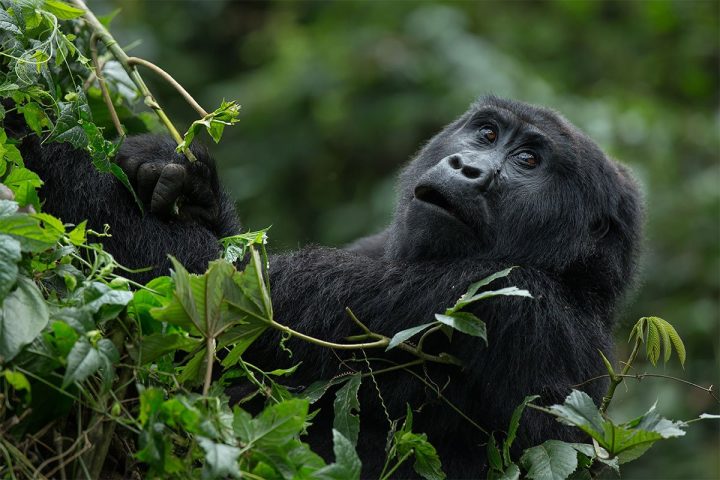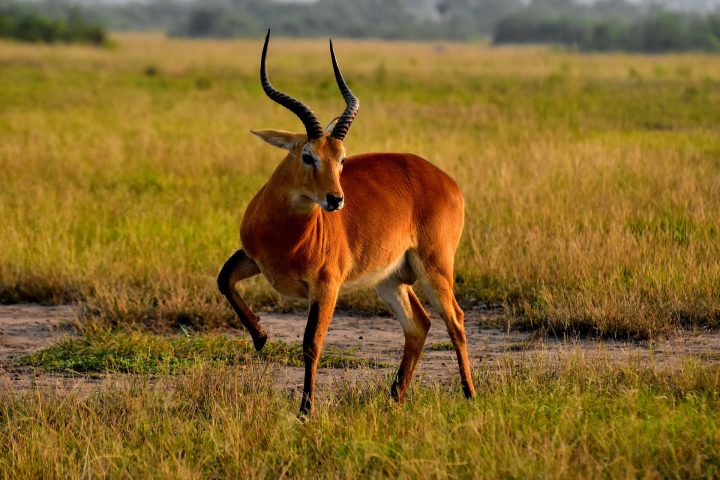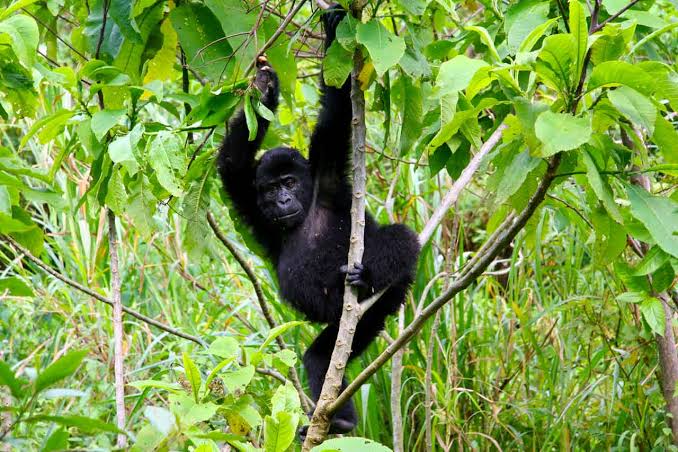
Gishwati-Mukura National is Rwanda’s forth National Park situated in northwestern province of the country in the districts of Rutsiro, Nyabihu, Rubavu and Ngororeroo between the Volcanoes national park and Nyungwe forest national park with an area cover of 32.2 square kilometers of rainforests. This National Park was established in 2015 by merging the Gishwati and Mukura forests to form a wildlife corridor that offers incredible biodiversity. This National Park is currently known for a wide range of fauna including five species of primates namely chimpanzees, baboons, golden monkeys, blue monkeys and L’Hoest’s monkeys. Gishwati-Mukura National Park is one of Rwanda’s primary birding destinations harboring more than 100 bird species amongst which are Grauer’s swamp warblers, mountain yellow warblers, red-throated alethe, handsome francolin, Abyssinian ground thrush, strange weavers, regal sunbird to mention but a few. These joint forests are homes to several other mammals for example the southern tree hyrax, black-fronted duiker, red-river hogs and reptiles like chameleons, bush vipers and many more.
Attractions in Gishwati-Mukura National Park
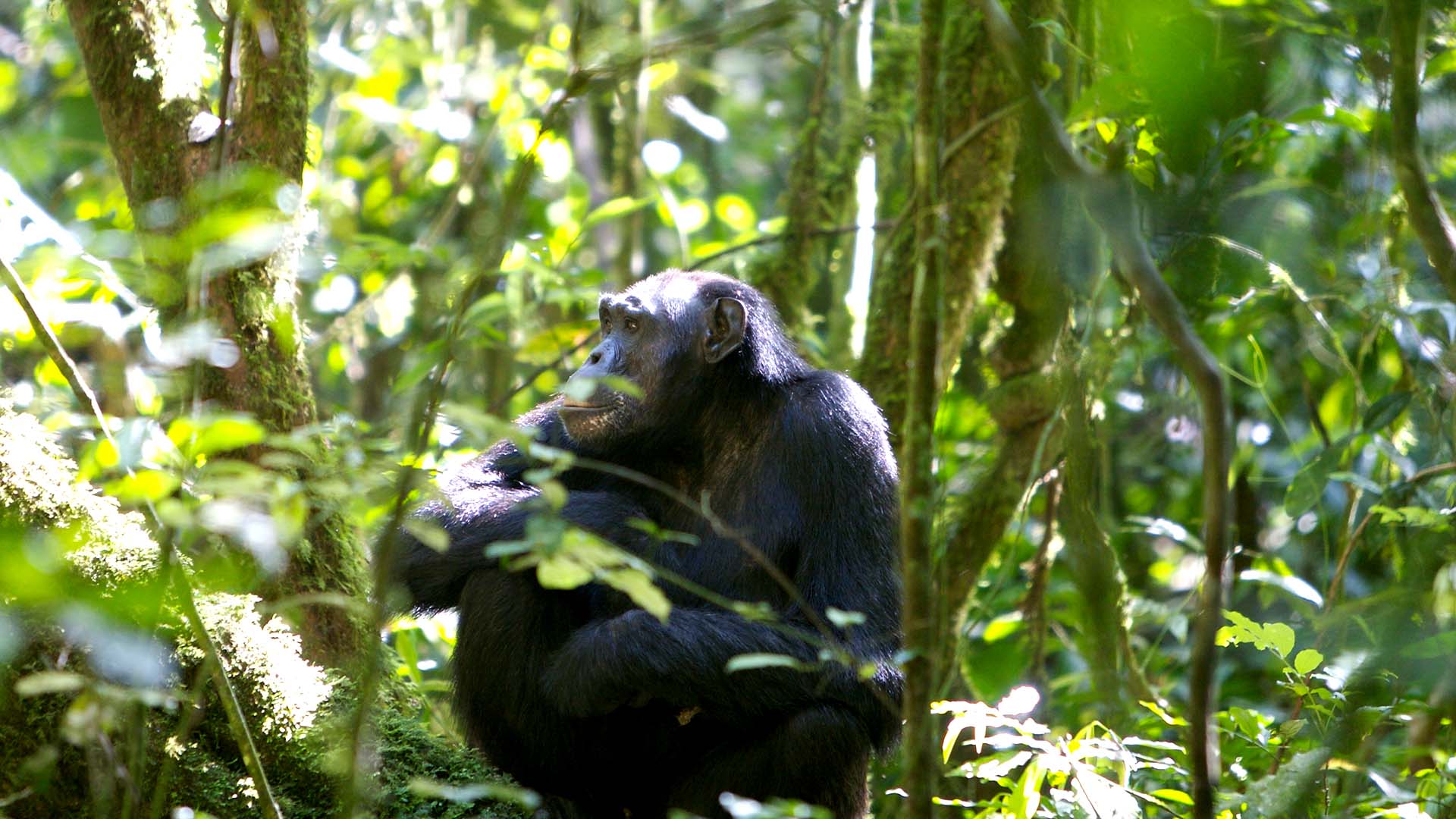
Eastern chimpanzees
Chimpanzees in Gishwati-Mukura National Park are some of the categories of chimpanzees found in Rwanda, Uganda and the Democratic Republic of Congo. These eastern chimpanzees are the largest primates that dominate a large portion of the Gishwati-Mukura National Park making chimpanzee trekking the Park’s major tourism activity. These Gishwati-Mukura forests are known to house more than 35 semi habituated chimpanzees that are however comfortable with trackers. These chimpanzees live in large family groups in the forests where they spend most of their times foraging for edible fruits, leaves and shoots. This primate species spends a considerate amount of time on ground since they are too heavy to swing themselves entirely through the tree canopies however much they are good climbers.
Golden monkeys
Since Gishwati-Mukura National Park is a montane rainforest of high elevation between 2000 to 3000 meters, it is a perfect home to golden monkeys. Golden monkeys are playful and unique monkey specie that lives in groups of up to 50 individuals. They are often sighted in bamboo forests feeding on bamboo shoots, leaves and fruits. Golden monkeys are so gorgeous characterized by bright colored for and golden hair mixed with orange. This monkey species is listed as endangered because of habitat loss fostered by illegal cutting down of bamboo trees and human encroachment.
Other primates and animal life
The Park not only harbors golden monkeys and chimpanzees but also several other primates for example L’Hoest’s monkeys, blue monkeys, black and white colobus monkeys, olive baboons and many more. Other animals that occur in Gishwati-Mukura National Park include African palm civet, serval cats, Carruthers mountain squirrel, giant pouched rats, red river hog, southern tree hyrax, black fronted duiker to mention but a few.
Bird species
Gishwati-Mukura National Park is a home to more than 235 bird species making it a perfect place for bird watching. Bird species that thrive in this National Park include those that are endemic to the Albertine region and the commonest being the regal sunbird, martial eagle, weaver birds, Rwenzori turaco and many more. Other bird species that can easily be spotted roaming this protected area include the dusky crimson wing, grey crowned cranes, Rwenzori batis, mountain yellow warblers, red-throated Alethe, handsome francolin, Abyssinian ground thrush, grauer’s swamp warblers to mention but a few.
Kazeneza Waterfalls
Gishwati-Mukura National Park boasts the galloping Kazeneza waterfall that is strategically located in the center of the Park. This waterfall can easily by viewed by making a hike to its top or from down where it pours its water. These waterfalls are so magnificent to spot with its rushing sound and cool breezes that are life bringing after the strenuous hike to its top.
Activities in Gishwati-Mukura National Park
Primate trekking
Gishwati-Mukura National Park is a perfect place for chimpanzee and golden monkey trekking. Just like any other trekking activity, both chimpanzee and golden monkey trekking in Gishwati-Mukura National Park start with a briefing at the Park headquarters highlighting dos and don’ts of the activities. Experienced ranger guides lead you into the montane rainforests to embark on the search of the primates after which an hour is allowed having located a troop which is an opportunity to learn about their social behaviors and lifestyle. During trekking there are possibilities of spotting several other primates such as the L’Hoest’s monkeys, black and white colobus, olive baboons and more other animals.
Birdwatching
This is an amazing activity in addition to chimpanzee and golden monkey trekking. This National Park houses more than 235 bird species making it a perfect place to spot several birds including the 20 that are endemic to the Albertine region. Birdwatching is usually conducted in the morning or evening hours starting with a briefing about the rules and regulations of this activity. A well trained birder leads you into the jungle to look out for several bird species such as great blue turaco, strange weavers, back-faced Apalis, red-faced barbet, cardinal woodpecker, purple-breasted sunbird, booted eagle, yellow ramped tinker bird, short tailed warbler, slaty flycatcher to mention but a few.
Nature walks and forest hikes
Hidden secrets of the forest are encountered during forest hikes and nature walks through several hiking trails. Wildlife species are spotted deep in the forests such as chameleons, lizards, beautified butterflies, various tree species and many more. Nature walks and hikes last for about four hours through hiking trails such as the Umushwati trail and Matyazo hill trail that offer thrilling experiences.
Community tours
Community tours to neighboring communities offer a true Kinyarwanda experience where one gets an insight about their lifestyle. Tourists are easily mesmerized Rwandese traditions and have an opportunity to get involved in new and exciting activities cultural dances, traditional songs, storytelling, preparing traditional foods and many more.
Best time to visit Gishwati-Mukura National Park
Gishwati-Mukura National Park is open for visits all year round though the best time is during the dry season in the months of June to September and December to February. During this period there are no or minimal rainfall implying that the Park trails are less slippery and roads are passable. However for those interested in birding, the rainy season is the perfect time since the Park is known to host various bird species including the migratory bird species.