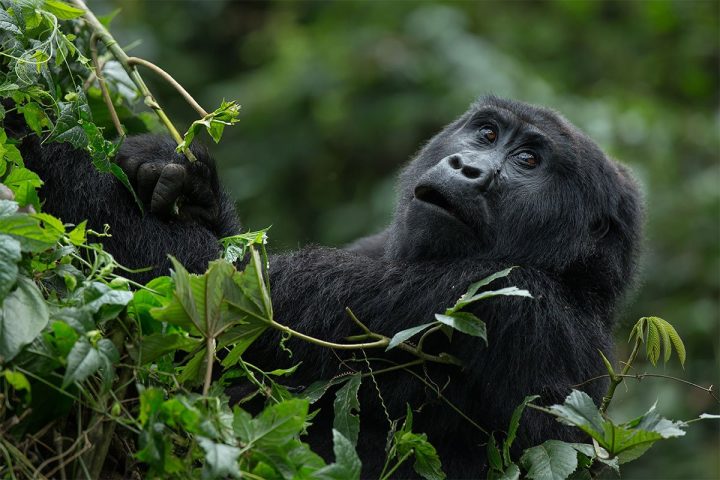
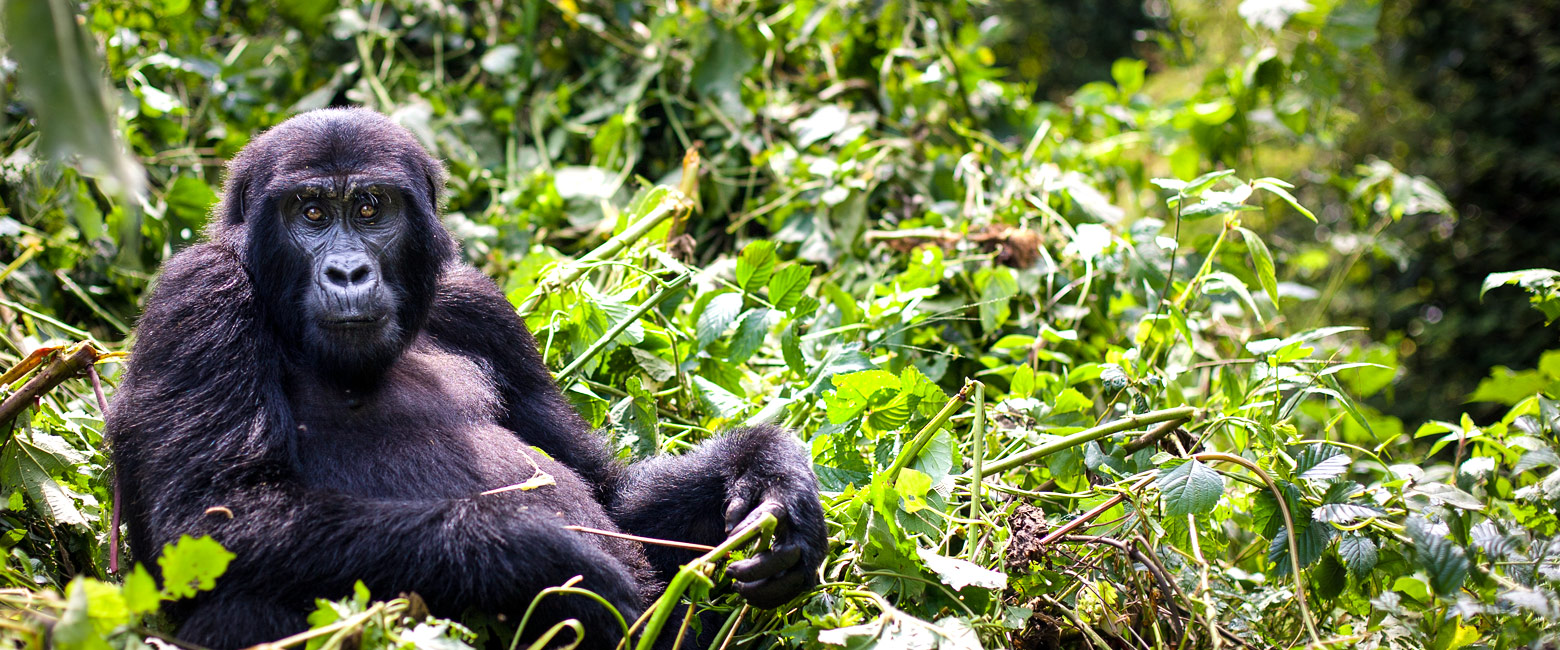
Bwindi Impenetrable National Park located in southwestern Uganda covers 330 km2 and is renowned for its dense vegetation, ancient trees, and significant role in conserving the endangered mountain gorillas. In 1991, Bwindi was gazetted as Bwindi Impenetrable National Park. The decision was primarily aimed at protecting the endangered mountain gorilla population. In recognition of its unique biodiversity and critical role in the survival of mountain gorillas, Bwindi was declared a UNESCO World Heritage Site in 1994. This status heightened international attention on the forest’s conservation, helping bring in funds for research, anti-poaching efforts, and sustainable tourism. Bwindi is home to nearly half of the world’s remaining mountain gorilla population, making it one of the most important conservation areas for this species.
The Oruzogo gorilla family is one of the habituated gorilla groups situated in the Ruhija sector of Bwindi Impenetrable National Park in Uganda. Ruhija is one of the four sectors in the Bwindi Impenetrable Forest situated in the Eastern part of the forest. Gorilla trekking is done and the sector is easily accessible from Buhoma and Kabale, and is notably the only sector with Elephants present. Ruhija is known for its beautiful scenery, including lush forests, waterfalls, and panoramic views of the surrounding landscape offering the most rewarding gorilla tracking experiences. Ruhija is also considered a birder’s haven with endemics like the green broadbill, common buzzard, red-throated alethe, helmeted guinea fowl, African pygmy kingfisher, Ross’s turaco, double-toothed barbet, African shrike flycatcher, dwarf honey guide, MacKinnon’s shrike, kivu ground thrush and many more. With trails like Mubwindi swamp, bamboo trail, Ruhija hill, and others, the sector provides many options for enjoying the diverse array of bird species in the sector.
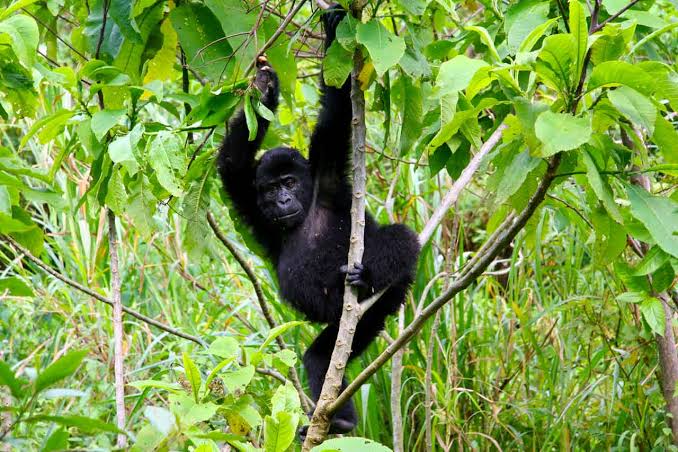
Ruhija sector has four habituated gorilla families that tourists can visit with a permit and under the guidance of park rangers. The number of families and their composition can change over time due to births, deaths, and other factors affecting the gorilla population. The Oruzogo gorilla family was officially opened to the public in 2011 after the habituation process was complete. The group had about 25 members, making it one of the larger families in the park when introduced to the public. The group included multiple adult females, 2 silverbacks, blackbacks, juveniles, and infants, with Tibirikwata as the dominant silverback. Tibirikwata has played a key role in holding the group together. Like other gorilla groups, the leadership can change over time due to natural events such as death, aging, or challenges from younger males as part of the natural dynamics.
The group is named after the area where it was first discovered and habituated; as is a common practice in Uganda for gorilla families to be named after their locations, features, or characteristics. Derived from a common plant locally known as Oruzogoto which is found in the area where the group was discovered and habituated. The Oruzogo family’s origin is a typical example of how gorilla tourism in Uganda has developed, from wild, unhabituated groups that are carefully integrated into conservation programs to balance wildlife protection and community-supported tourism. Oruzogo family became one of the key families available to tourists visiting the Ruhija sector, which has helped increase the visitor capacity in that sector of Bwindi Impenetrable National Park.
Like all habituated gorilla families in Bwindi, the Oruzogo family plays an important role in conservation providing tourism revenue that helps fund protection efforts and supports the local communities surrounding the park. The Oruzogo family continues to be monitored daily by trackers and researcher.