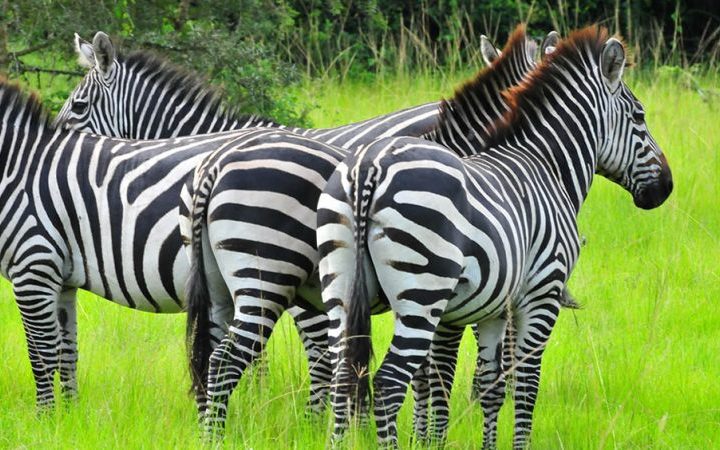
Kibale Forest National Park is one of the ten national parks and a major safari destination in Uganda. The others are: Murchison falls national park with the world’s most powerful waterfall; Queen Elizabeth National park with the rare tree climbing lions; Kidepo valley national park in the far north, Mountain Elgon National park known for her stunning caldera; Lake Mburo National park with its beautiful zebras, Semuliki National park with half of the total bird species in the country; Mgahinga National Park for golden monkeys, Bwindi Impenetrable for Gorillas and Mount Rwenzori National park with Its three horned chameleons.
You will head to Kibale forest national park in Uganda; a country blessed with a variety of flora and fauna, eye-catching sceneries, and rolling hills in East Africa. Countries neighboring Uganda include; the republic of Rwanda, the Democratic republic of Congo, Kenya and the republic of Tanzania. Kibale forest national park is situated at the stunning Ndali Kasenda crater, western part of Uganda, and approximately 348km distance from Kampala-the capital city of the republic of Uganda. The nearest city to it is the beautiful fort portal at about 26km distance.
Park coverage is 766 sq.km, spanning the districts of Kasese, Kyenjojo, Kabarole and Kamwenge. Other nearby attractions include: the medley of wonders-Queen Elizabeth National park; Semiliki National park-the birder haven, and the snowcapped Mountain Rwenzori in Mountain Rwenzori national park. It is an evergreen tropical Jungle, with a variety of botany, birds, primates and more. There are about 13 primates recorded, about 77 mammals, over 370 bird species and over 371 plant species. The park features both the lowland and montane forest, and those living at the bounders are the Batoro and the Bakiga tribe. The tribes are a major contributor of the park’s conservancy, while depending on it for food resources.
In 1993, the then forest reserve was upgraded to a national park status to protect the abundant wildlife and forest cover. It was first gazetted in 1932 as a forest reserve by the British. They could use the trees here for logs and also gather wild coffee from this same forest. To replace the cut trees, they could plant pines, cypress and Eucalyptus for firewood and poles. Forward to 1950, the construction of Kalembe cooper mines in kasese district led to an increased demand of hardwood which could only be got from this forest. Though with continued tree cutting; the British gazetted Kibale forest in 1948 as a reserve and plant exotic trees.
In 1994, the gazetted park was managed by Uganda National Parks (UNP) until 1996 when a government parastatal body-Game department took over control. Few years later; Game reserves, sanctuaries and controlled Hunting areas where merged, and the newly formed Uganda wildlife Authority took over management to date. In the bid to protect the forest, over 13000 people were evicted and relocated to Kibale district in 1992.
Wildlife species in Kibale Forest National Park
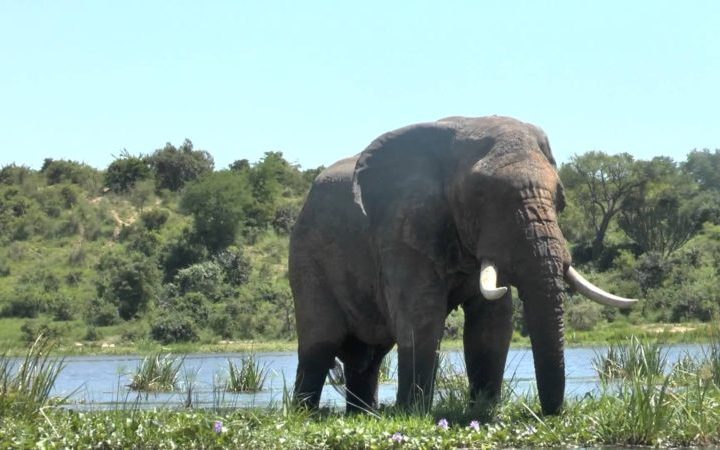
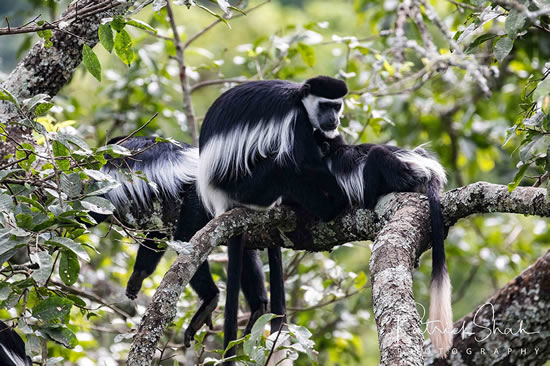
The park is a habitat to mammals, over 13primate species, birds, and unique plants. The primate list features chimpanzees, uncommon L’hoest’s monkeys, white and black Columbus monkeys, retailed monkeys, grey cheeked mangabey, olive baboons, potto, bush babies and more. The mammal list include among others; the leopards, elephants, buffalos, duikers, bush pigs and more. There are colorful butterflies, reptiles and amphibians.
Chimpanzee trekking in Kibale National Park
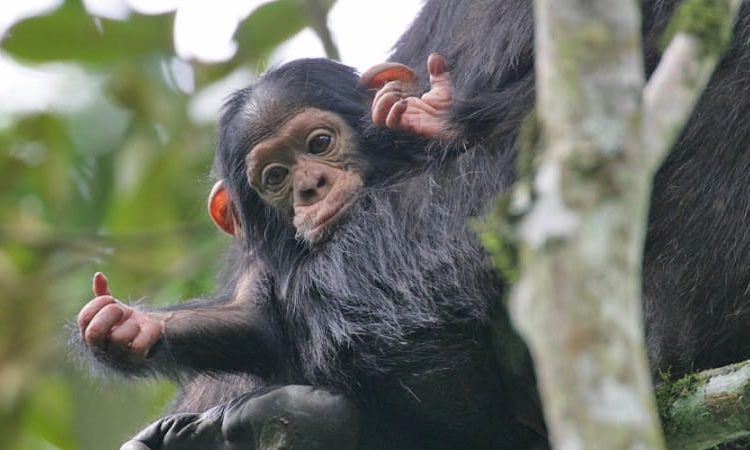
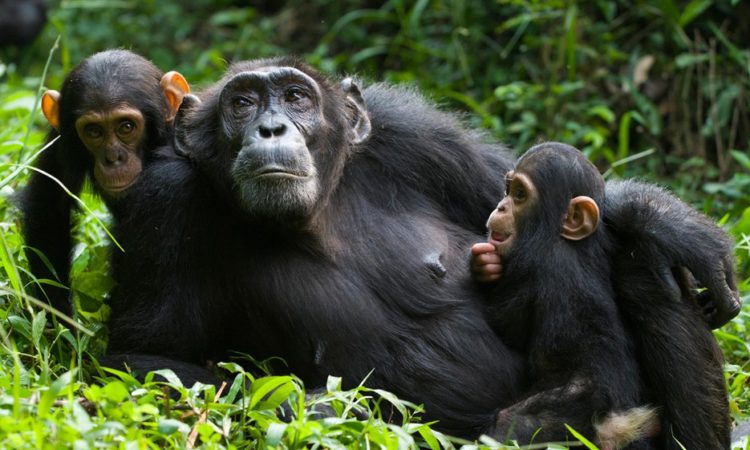
Chimpanzee trekking; the main activity in the park started in about 1993, and takes place around the Kanyantale chimpanzee community and Kanyanchu areas. There is an over 90% chance of spotting these Apes, and one hour for you to watch them play, or play, but also grab them on camera. The activity takes places in two shifts; the morning chimpanzee trekking and the afternoon chimpanzee trekking. Chimpanzees possess an over 98% human genes.
They make up to 25 sounds, and feed on vegetables and certain insects. They demonstrate intelligence in how they use sticks as fork, pick ants from the ground using grass, and the mothers nursing their young ones. The trekking session starts with a pre-trekking briefing and then then the trekking experience that lasts for approximately one to 4 hours.
Other activities in Kibale National Park
In addition to Chimpanzee trekking, you can engage in among others; nature walk, bird watching, Chimpanzee trekking, Bigodi nature walk, crater lakes tours, and culture tours at Isunga community tours and tea plantation tours.
Chimpanzee trekking; the main activity in the park started in about 1993, and takes place around the Kanyantale chimpanzee community and Kanyanchu areas. There is an over 90% chance of spotting these apes, and one hour for you to watch them play, but also grab them on camera. The activity takes places in two shifts; the morning chimpanzee trekking and the afternoon chimpanzee trekking. Chimpanzees possess over 98% human genes.
They make offer 25 sounds, and feed on vegetables and certain insects. They demonstrate intelligence in how they use sticks as fork, pick ants from the ground using grass, and the mothers nursing their young ones. The trekking session starts with a pre-trekking briefing and then then the trekking experience that lasts for approximately one to 4 hours.
Other activities in Kibale Forest National Park.
In addition to chimpanzee trekking, you can engage in among others; nature walks, bird watching, , Bigodi nature walk, crater lakes tours, and culture tours at Isunga community and chimpanzee habituation experience.
How to get to Kibale forest National Park?
As it is with all restricted conservation area; protocol must be followed to get access. Kibale forest National park is open to visitors all year round with gates opening at 7am and closing at 7pm. All ages can get access, but only those aged 15 years and above can engage in chimpanzee trekking or research. The park entrance fee is charged for 24 hours per person per day and can be paid at the parks gate using a credit card, or pay directly at Uganda Wildlife Authority headquarters in Kampala.
Entrance fee effective 1st July 2024-2026 tariffs are: 40$ for foreign non-resident, 30$ for foreign resident and 20,000ugx for East African citizen. Children pay 20$ and 10$. Chimpanzee trekking permits cost 250$ and 300$ for chimpanzee habituation experience.
Kibale forest National Park is one of the premier safari destinations in East Africa; and capital of primates. You can visit the park at any part of the year, though best days are in June to September and December to February. A trip to Kibale can be combined with other activities in other parks such as Gorilla trekking, game drive, boat cruise, and more.