Lake Mburo National Park
For centuries the area was known as Karo Karungi, “the beautiful land” by Bahima herders who grazed long horned Ankole cattle. The grazing helped maintain the savannah by preventing bush encroachment. The king of Ankole who was known as “Omugabe” used this in area, then known as Nshaara as a royal hunting ground and restricted Bahima grazing except in drought. The lake’s name comes from a local myth, Kigarama and Mburo who were brothers and lived in the valley. Kigarama dreamt of a flood and warned Mburo to move to higher ground. Mburo ignored him, the valley flooded and he drowned. The lake was named Mburo and the surrounding hills Kigarama.
In 1963 it was upgraded to a game reserve and Bahima continued to graze cattle in the reserve. In 1983 it was upgraded to national park status under the Obote government that aimed at weakening the Banyankole who supported anti-Obote rebels during the Ugandan bush war. Bahima pastoralists were expelled without compensation or resettlement help. In 1986 the National Resistance Movement re-gazetted it into a national park. Today the Uganda wildlife Authority now works with local communities to manage Lake Mburo national park.
Location of Lake Mburo
Lake Mburo national park is situated in the southwestern Uganda, specifically with in the Kiruhura District and located along the Kampala – Masaka – Mbarara highway. It is approximately 4 -5-hour drive from Entebbe International Airport or from Kampala city.
The Wildlife to See at Lake Mburo National Park
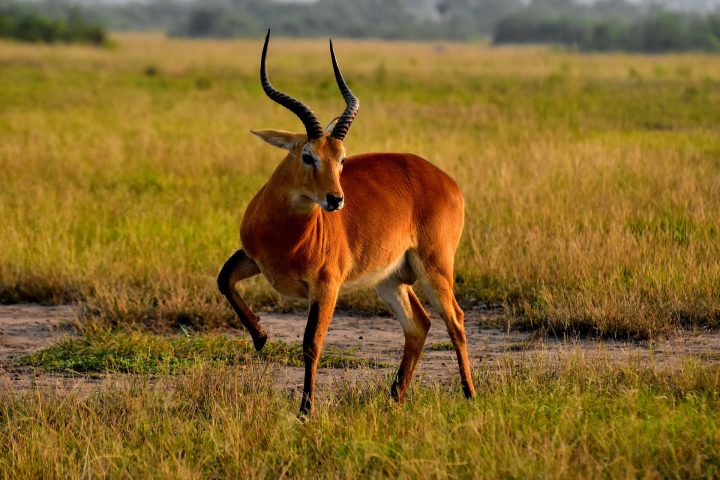
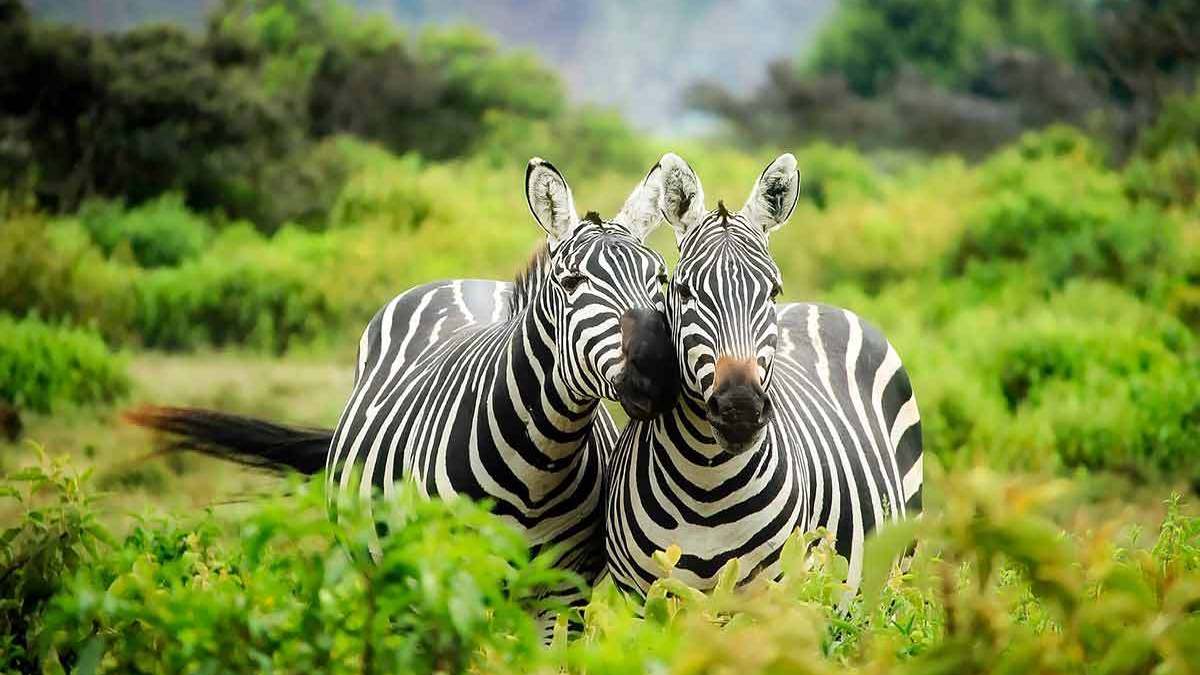
Lake Mburo National Park is a premier destination and known as the” home of zebras”, large herds of impalas, elands, buffalos, leopards, aquatic wildlife like hippos and large crocodiles often viewed during boat cruise. Different bird species like the African Finfoot, shoebill stork, papyrus yellow warbler and red-faced barbet. Expect to see some primates too like the vervet monkeys and olive baboons.
The Activities to Engage in At Lake Mburo National Park
Game drives in Lake Mburo National Park
Best in dry seasons when the grass is short, spot zebras, impalas, elands, buffalos, giraffes, warthogs, waterbucks this can be during the day. While the night game drive can expose you to leopards, hyenas, bush babies, porcupines, white-tailed mongoose.
Boat Trip in Lake Mburo
Boat trip in Lake Mburo National Park takes about 2-hour launch trip along the eastern shores of the lake and spot hippos, crocodiles, waterbucks at the edge and excellent birding. African fish eagle, pied kingfisher, herons, African Finfoot, malachite kingfisher. Usually done in the afternoon when animals come to drink.
Guided nature walks/walking safaris
With an armed ranger through the savannah get close to wildlife, learn tracking, different plants and popular trails.
Horseback safaris Run by Mihingo Lodge inside the park, ride among zebras, elands, impalas without vehicle noise, animals are less skittish.
Sport fishing. This is done on Lake Mburo and it is arranged with Uganda Wildlife Authority (UWA) and the main catch is Tilapia fish. Here you are encouraged to bring your own gear or book through a lodge. Catch – and-release is encouraged.
Birding
Over 350 species are recorded in Lake Mburo national park and the key spots are Rubanga Forest, swamp edges, Warukiri track. Look for African Finfoot, papyrus gonolek, red-faced barbet, green pigeon, and brown parrot among others.
Mountain biking / cycling safaris
This is guided cycling outside and inside park boundaries. Ride through communities, hills and along park tracks with wildlife views. Bikes are hired from lodges or park gate.
Cultural visits
Ankole cultural tour visit nearby Banyankole homesteads. Learn about long-horned Ankole cattle, traditional ghee making, milk churning, and homestead life.
Salt-lick viewpoints
Drive or walk to naturally occurring salt licks where animals congregate, especially in dry season. Good photography spot Kazuma lookout gives panoramic views of the 5 lakes.
What is the best time to visit Lake Mburo National Park?
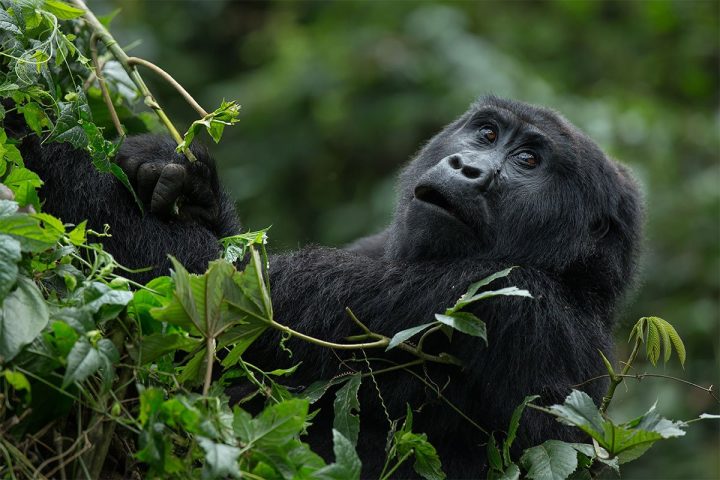
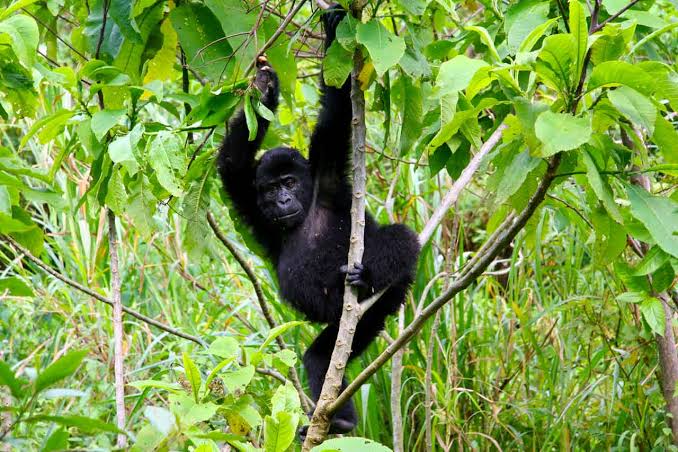
You can visit Lake Mburo national park all year around, however, the best time to visit for viewing is during the dry seasons (January -February and June-August) when animals congregate around water sources making it easy for travelers to view wildlife. During the dry the trails and roads are dry and accessible for game drives, walks and horseback safaris. There are no mosquitoes and other insects are less active, clear skies more sunny days for photos. You can combine Lake Mburo national park safaris with Queen Elizabeth national park safari, gorilla trekking experience in Bwindi impenetrable national park or Chimpanzee trekking in Kibale national park or canoeing on Lake Bunyonyi.