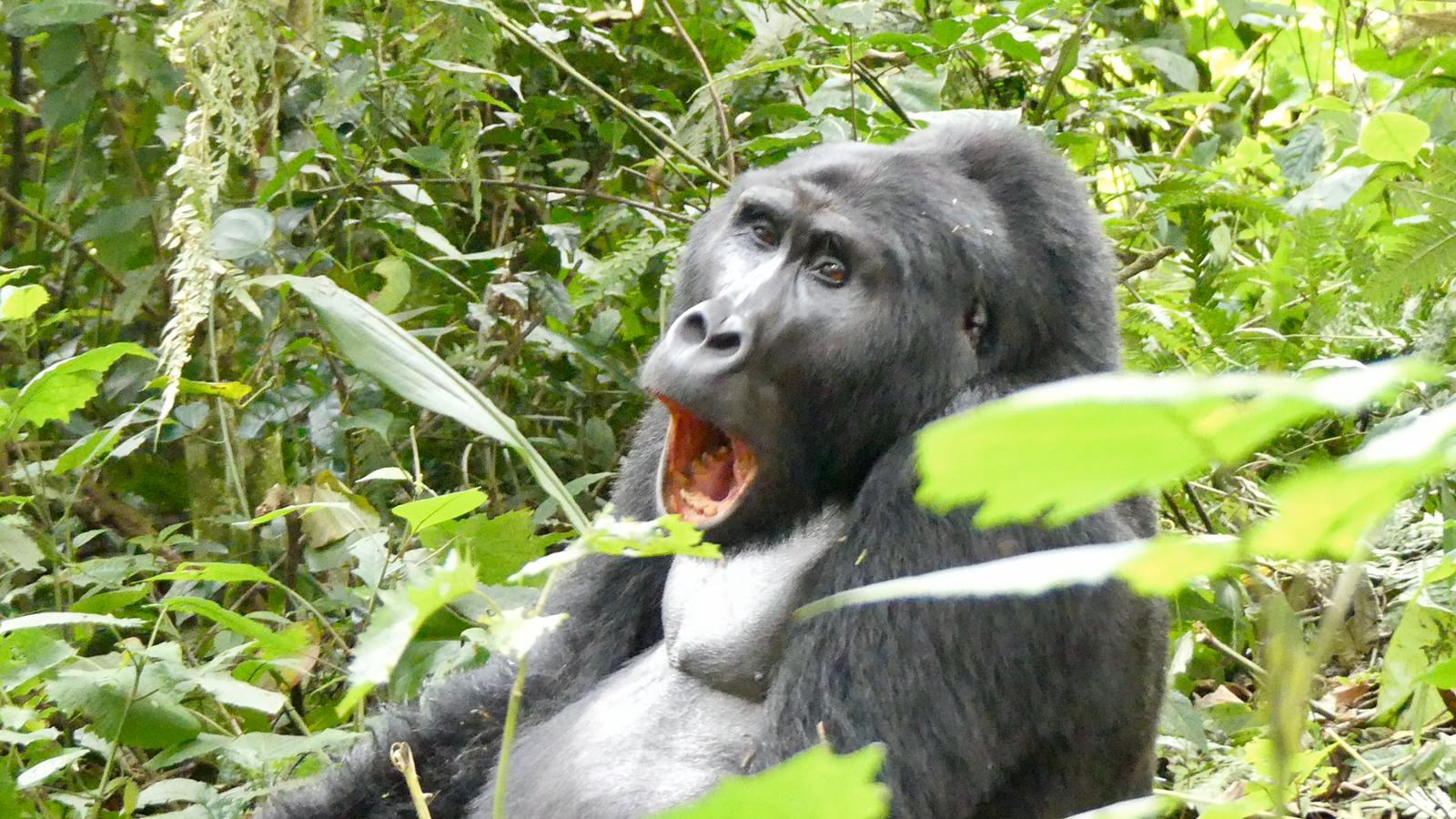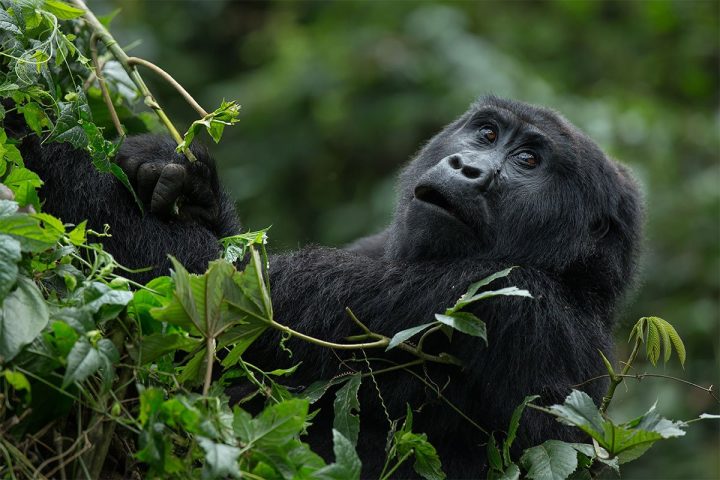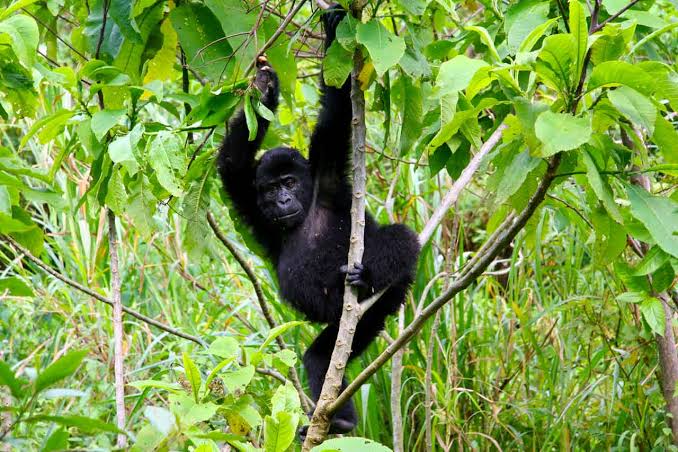
Gorilla trekking is regarded one of the best wildlife experiences one should not ever miss out while planning a safari to Uganda, Rwanda or the entire East Africa. Tracking down these gentle giants in their natural habitats involves trekking through dense forests and uneven terrain in unpredictable conditions for a period of up to 6 hours. Trekking is done at an altitude between 2500 to 3000 meters implying that the air will be thinner and the demands on the lungs greater.
In Gorilla destinations such as Bwindi Impenetrable National Park and Mgahinga National Park of Uganda and Volcanoes National Park in Rwanda, the terrain is mountainous and the vegetation is dense implying that hiking requires some stamina and energy. Therefore trekking requires a moderate to good level of physical fitness and good health conditions though individuals with pre-existing health conditions for example heart or respiratory issues are advised to make consultations with their doctors before opting for gorilla trekking.
One should therefore be in position to walk for a few hours at a time including uphill climbs and downhill descends. However for one to go for gorilla trekking he/she does not have to be an elite athlete though being comfortable with physical exertion and hiking for extended hours is crucial for this activity. For those who seem uncomfortable with their physical fitness levels are advised to partake pre-trek preparations such as engaging in cardio workouts, hiking practices on hilly or uneven terrain, strength training and stretching that can help improve one’s flexibility guaranteeing an enjoyable and safe gorilla trekking experience. Individuals with relatively varying fitness levels can as well be catered for to ensure they enjoy the activity for example through the following ways;
Easier gorilla groups; incase individuals are concerned about their physical demands, they can easily request to be assigned gorilla families that are a bit closer to the trailhead. Treks to such closer gorilla families are shorter and less strenuous.
Flexible pacing while trekking; the ranger guides are always willing to make adjustments to the trekking pace based on the group’s fitness levels by taking enough breaks as needed.
Use of porters and other support trekking services; it is possible to arrange local porters for hire at a reasonable cost to help carry the backpacks and provide physical support during challenging sections of the trek such as using sedan chairs to carry individuals that are not in position to continue with the treks and many others. Support hiking sticks are provided to those taking part in gorilla trekking for support while navigating uneven terrains, muddy and sometimes slippery trails. These therefore make gorilla trekking experience more manageable.
What to pack for trekking trip
The gorilla trekking experience is enjoyable and the challenges of the trek are manageable if one comes for the activity while well prepared and below are things to carry with for trekking experience.
Good sturdy hiking boots
Long sleeved shirt and a pair of trousers
Raincoat or poncho
Garden gloves
Water bottle
Energizing snacks
Camera and extra batteries
Insect repellant
Mask and hand sanitizers
Waterproof backpack
Binoculars to enhance ones viewing experience
Hat and sunglasses to have enough shield from the sun
The age limit for gorilla trekking
Age limit is one of the key requirements for one to participate in gorilla trekking. The minimum age for trekking both in Uganda and Rwanda is 15 years, a restriction put in place by both the Uganda Wildlife Authority in Uganda and the Rwanda Development Board in Rwanda to ensure safety and wellbeing of both the endangered mountain gorillas and the trekkers. It is easily noticeable that trekking involves physically challenging treks through dense forests and steep terrain that make it unsuitable for young children to take part. Young children may also not have developed full immunity to common illness which increases the risk of transmission since mountain gorillas are highly susceptible to human illness.
Best time for gorilla trekking in Uganda
Mountain gorilla trekking in both Uganda and Rwanda is possible all year round though the best time of the year is during the dry season in the months between June to September and December to February. This period of time presents favorable trekking conditions such as drier and less slippery trails since there are no or less rainfall downpours. However the wet season is the best time for wildlife and gorilla photographers despite several challenges like muddy and slippery terrain, potential rain downpours and others. During this wet season, the vegetation is green and lush which provide a stunning backdrop for photography whereas the low tourist numbers lead to more intimate, close and unique encounters with the gorillas offering best opportunities for photography.