Kibale Forest national park is found in western Uganda, at 766km2 and stands at an altitude of 1590m above sea level situated in the districts of Kabarole and Kamwenge. Kibale forest is known for its rich biodiversity and dense primate population with a history that intertwines conservation efforts with local communities’ development. Kibale forest is one of the last remaining forests that contain both lowland and montane forests primarily ever green forest.
In the 1970s-1980s; increased conservation awareness and efforts to protect the remaining forested areas led to the proposal of establishing a national park. This period saw growing recognition of the forest’s ecological importance, particularly its role in conserving primate species. So the park was later officially gazetted in 1932 and formally established in 1993 to protect a large area of forest previously managed as a logged forest reserve and it’s a continuous with Queen Elizabeth national park which creates a wildlife corridor of 180km. This move aimed to protect its rich biodiversity and unique ecosystem from further degradation and deforestation.
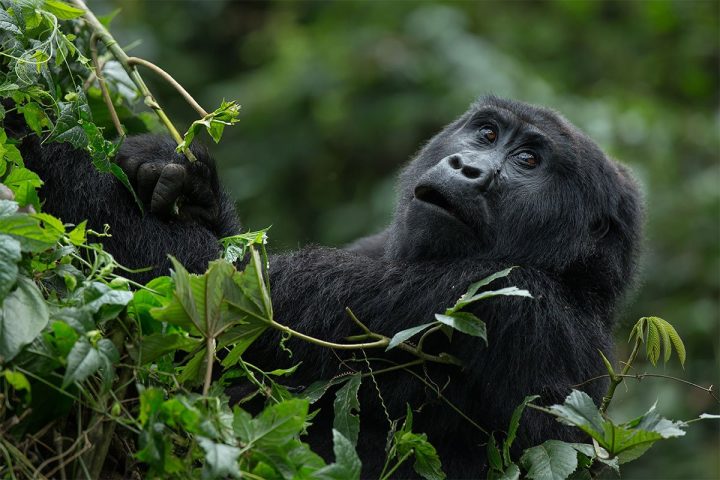
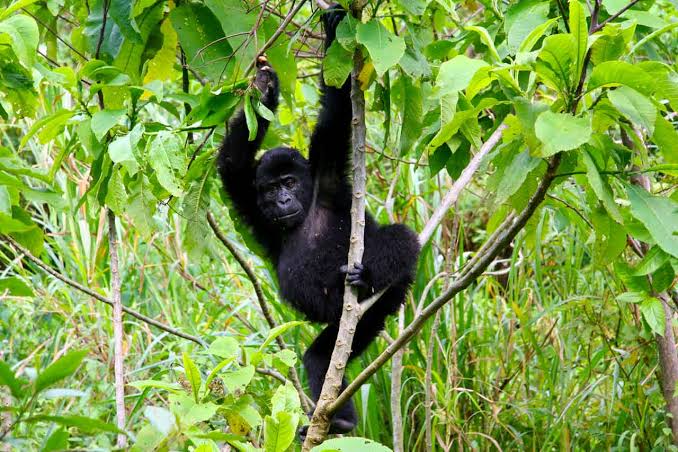
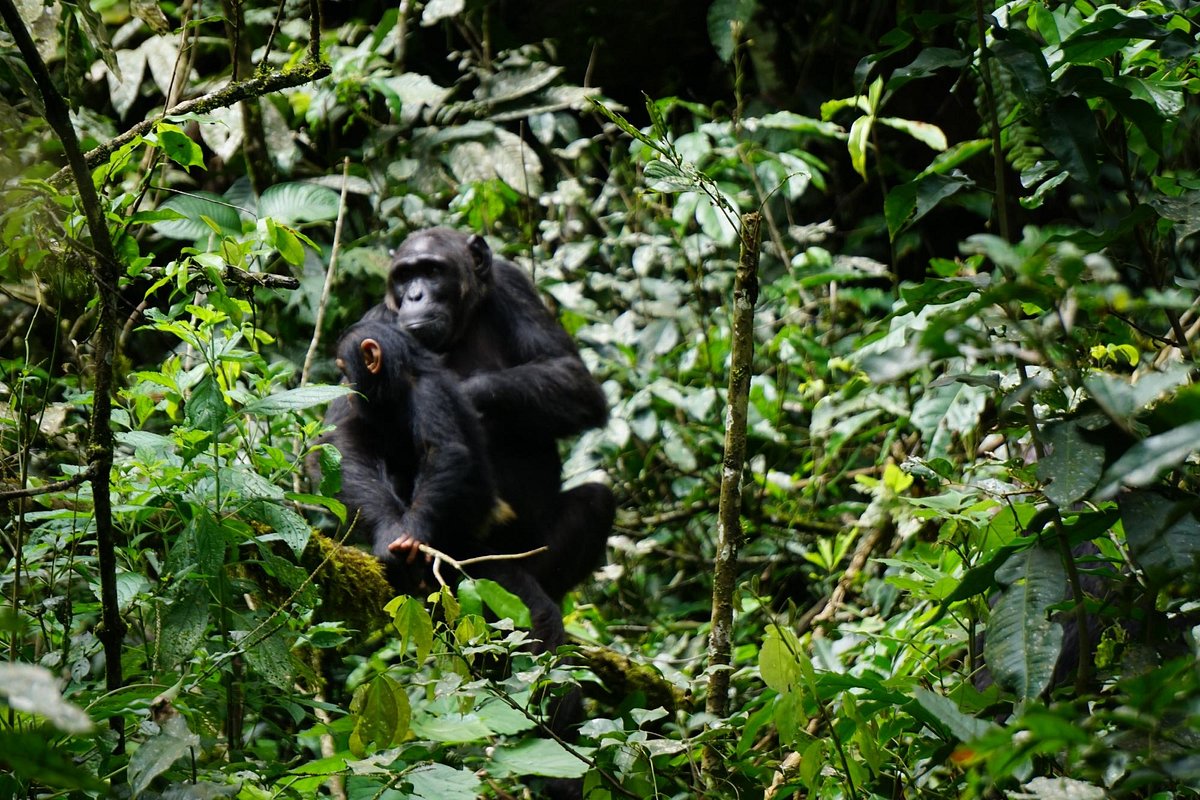
Kibale National Park remains one of the most biodiverse areas in Uganda and highest concentration of primates in Africa as its home to 13 species of primates with chimpanzees as the most popular having the biggest number registered along with red colobuses, L’Hoest’s monkeys, olive baboon, vervet monkeys, black and white colobus monkeys, red-tailed monkeys, blue monkeys, galagos, mangabeys and pottos. However the park is also home to 60 mammals, over 375 bird species with 6 endemics to Albertine area and 4 endemic to the forest, 250 butterflies and 350 tree species. The park is considered a success story in terms of primate conservation and eco-tourism development. It continues to attract researchers, conservationists, and tourists from around the world.
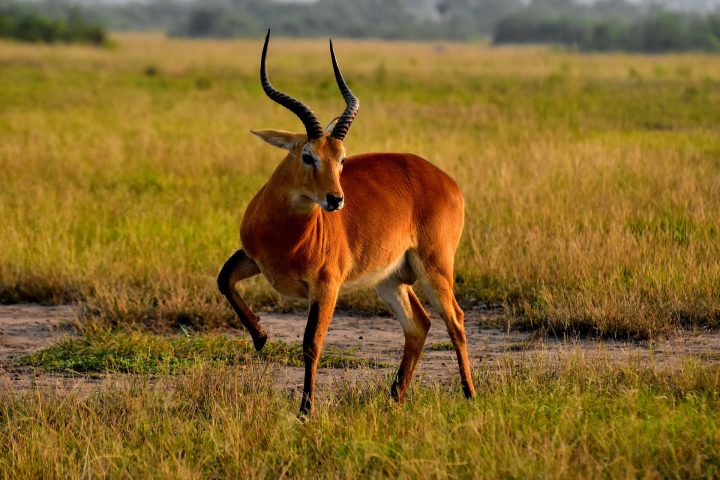
Through hardly seen; expect animals like buffaloes, serval cats, leopards, bush pigs, elephants, duikers, civet, giant forest hogs, bushbucks, sitatungas, warthogs, and more; birds like green-breasted pitta, dusky crimsonwing, red-faced woodland warbler, black-capped apalis, colored apalis, blue-headed spinetail, masked apalis, nahan’s francolin, great blue turaco, little greenbul, flycatchers, king fishers, pigeons, cuckoos and more. The forest’s rich biodiversity enables it to be home to all these species.
Attractions
Primates
The park is the perfect habitat for primates with 13 species including chimpanzees, endangered red colobuses, blue monkeys, vervet monkeys, L’Hoest’s monkeys, mangabeys, pottos and baboons with the chimpanzees taking the larger number as the ecosystems supports them quite comfortably making it possible for chimpanzee habituation and tracking experience done at the Kanyanchu.
Wildlife
Kibale forest is not home only to primates but is also called home by some wildlife within the thickness of the forest. These animals include elephants, serval cats, bush pigs, giant forest hogs, leopards, buffaloes, civets, bushbucks, warthogs and more with rare sightings of animals like lions and golden cats can be seen migrating from Queen Elizabeth national park.
Birds
Home to over 350 bird species, Kibale forest is blessed with common and endemic species plus migratory birds from Queen Elizabeth and other surrounding areas which make for quite the experience when viewing. Expect birds like western tinker bird, black bee-eater, little greenbul, African pitta, African grey parrot, yellow spotted nicator, brown crested alethe, white napped pigeon, crowned eagle, dusky crimsonwing, Abyssinian ground thrush, collared apalis and many more.
Bigodi wetland sanctuary
Located adjacent to Kibale, the Bigodi Wetland Sanctuary is a community-run conservation area that supports both wildlife and local livelihoods. The wetland is home to a variety of bird species, primates, and other wildlife, making it an excellent spot for nature walks and bird watching.
Flora
The forest has very thick green forest cover with over 250 tree species with some rare and endangered one like the lovoa swynnertonnii, Cordia millenii and common ones like pine and eucalyptus which are very useful as a habitat to the wildlife and the communities around the park.
Communities
The park is surrounded by different communities of the Bakiga and Batooro which offer authentic African cultural activities like music, dance, drama and handmade crafts through their association of KAFRED.
Crater lakes
Commonly known as the Ndali Kasenda craters, the area is dotted by many volcanic depressions making the crater lakes and these are not found within the park. These were formed 10,000years ago and include Lake Nkuruba, Nyabikere, Lyantonde, Saka, Nyinambuga and Kyaninga. These make for a beautiful scenery and an amazing experience for tourists to hike, swim or nature walk.
Activities
Chimpanzee habituation
Habituation is the process of training the chimpanzees to get used to having humans around them as they go about their days and this normally takes about 3 years after which they can be opened up to tracking. With a guide, a research team and ranger tourists find the chimpanzees intended for habituation and once found they are given 4hours with them. During these 4hours, you will observe how they look after their young ones, how they copulate, feed, hunt, patrol and build their nests within their habitat and also you are allowed to take pictures to keep the memory alive of the process.
Is one of the main activities in the park, and it involves walking and looking for the habituated chimpanzees in the forest which can take about 2-5hours depending on their location, and once found, tourists will be given an hour with them in their habitat to observe how they live, nest, feed and take care of each other. Tourists are also allowed to take pictures of the experience and this is also done in presence of a ranger and guide to ensure smooth trekking and protect the primates.
Birding
With over 350 bird species, birders have enough to view when out looking for the beautiful creatures as the forest is one of Uganda’s most biodiverse habitats making it a premier birding destination catering to common, migratory and endemic birds. Trails like the Bigodi wetland sanctuary and Kanyanchu one has multiple options for viewing the birds especially in the morning when they are most active.
Bigodi wetland sanctuary
Bigodi Wetland Sanctuary is a project of the local community to help preserve and improve the standards of living in the area. Accompanied by a local guide you will learn more about the different cultures, local medicines and traditional life. Story telling will be done by the community people, plus the history and issues being faced by the developing community will also be looked at and this normally takes about 2-3hours.
Guided nature walks
These guided nature walks give a tourist a chance to have a more intimate experience with the park with fresh air and the beautiful flora to ensure the moment is blissful. During the walks with a guide, expect to see some primates, animals and birds plus the vegetation through trails like the Bigodi wetland, Kanyanchu, Amabere cave and forest.
Kibale Forest national park is very enjoyable all year round, however the best times to visit are between December-February and June to September as these are dry seasons and give one more chances to view the primates, birds and wildlife available rather than when it’s wet or a rainy season as the terrain might not be fully favorable.