Meru national park is one of Kenya’s still virgin and less crowded national parks located in the northeastern side of the country. This huge block of the protected area is composed of Bisanadi national reserve and Kora national park covering an area of about 336 square miles forming one of the largest protected ecosystems inn Kenya.
Meru national park is so isolated about 220 miles away from Nairobi the capital city of Kenya and this makes it less crowded than other famous tourist destinations that Kenya boasts about for example Masai Mara national reserve, Nairobi national park, Lake Nakuru national park among others. The park being in isolation, gives it a character of untamed wilderness with wildlife that is less exposed to humans, making the entire experience feel so magical where by you have to stretch longer in the open savanna exploring and encountering numerous wildlife, birds, plat life and unseen sceneries.
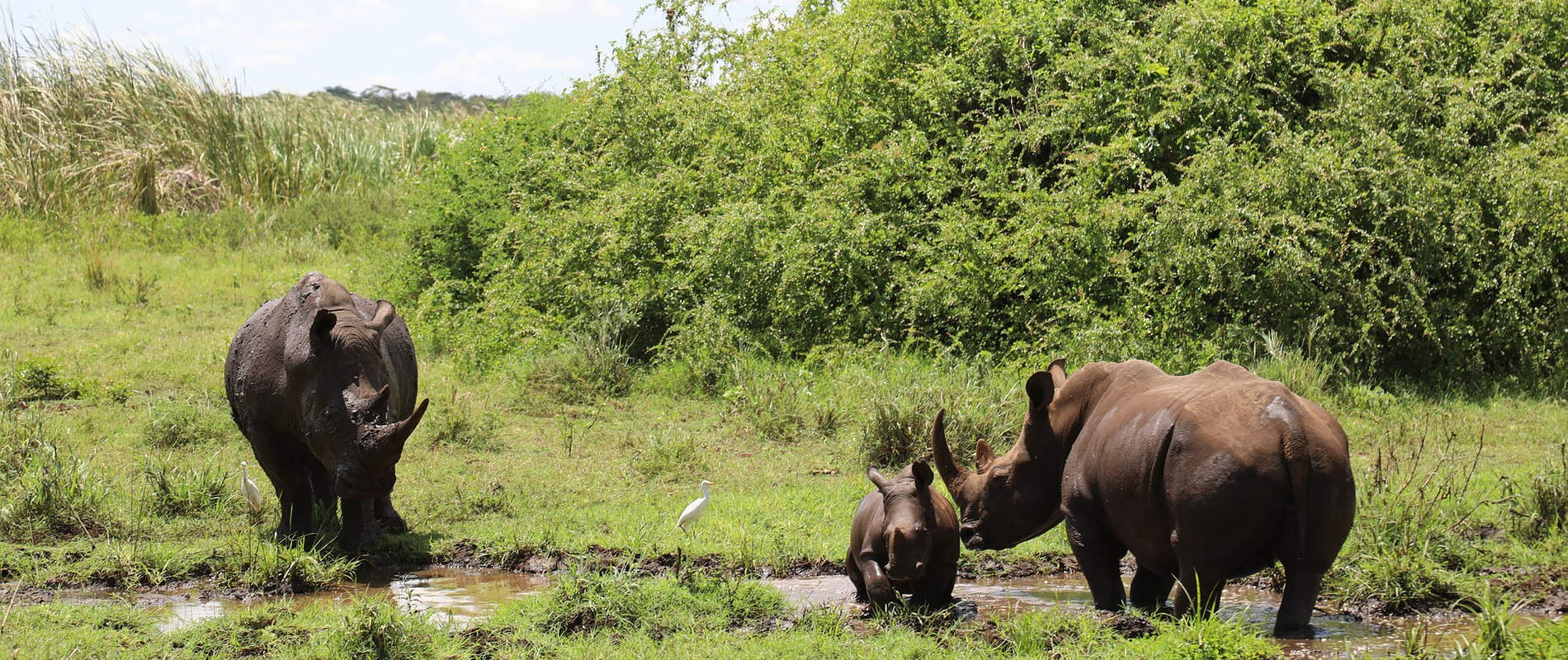
Meru national park has a strong connection with conservationists Joy and George Adamson. The lioness which appeared in the film called Born Free was raised from Meru national park and the park is also known for its famous rhino sanctuary in the park breeding both black and white rhinos.
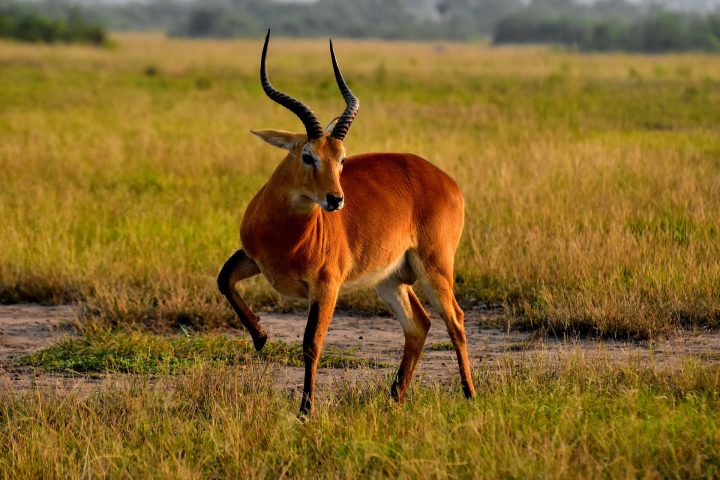
Meru national park is a home to Africa’s Big 5 animals which flourish in this massive land. The big 5 include; leopards, buffaloes, rhinos, elephants and lions. Other wildlife that roam in the park include; giraffes, zebras, cheetahs, Grevy’s zebras, lesser kudus, hippopotami, crocodiles to mention but a few. The park is also a haven for birds with 400 recorded number of bird species, of which some are endemics and others are migratory birds.
The park is composed of the open savanna grasslands, acacia woodlands and palm groves and dramatic landscape and rivers that drain the park. Some of the permanent rivers that drain Meru national park include; River Tana, River Rojewero and River Ura, and these works as water sources for the wildlife in the park and birds including the water birds. The park also has swamps, volcanic soils and rock outcrops that shape the park’s unmatched terrain.
The park if flooded with birdlife with over 400 recorded bird species. Some the of the examples of birds in Meru include; Pel’s fishing owl, Somali ostrich, malachite kingfishers, Squacco herons, crested francolins, common Quails, yellow-necked Spurfowl, helmeted Guinea fowl, knob-billed ducks, mourning Collared-dove, dusky turtle-dove, reed cormorants, African sacred ibis, Malagasy pond-heron, scissor-tailed kite to mention but a few.
Attractions in Meru National Park
Wildlife in Meru National Park: Meru national park is a home to Africa’s big 5 animals which are; lions, elephants, buffaloes, leopards and rhinos. Other animals to encounter in the park are; giraffes, zebras, cheetahs, hyenas, giraffes, kudus and others and they can be discovered through game drives in Meru national park.
Birdwatching in Meru National Park: Meru national park is a home to over 400 bird species and some of the bird species in the park include; ostriches, crowned eagles, hawks, kites, secretary birds, martial birds, and vulturine guinea fowl, among others. Due to abundance concentration of birds in Meru national park, birding is one of the best activities one can choose to take up while in the park. Meru is a home to swamps and flood plains and some of bird species that can be seen here are; storks, egrets, ibises, spoonbills, herons and waterfowls. A birding trip to Meru national park should be accompanied with binoculars, guided book, good camera, comfortable shoes, insect repellent.
Adamson’s Waterfalls: These waterfalls are within the park and they are famous for their breathtaking scenery. These waterfalls give the best picturesque setting which gives memorable photos. You can have your picnic lunch in the wilderness as you admire these waterfalls while enjoying how they cascades down the cliffs, giving mesmerizing sight and a tranquil aura of the virgin Meru.
Hiking and Guided Nature Walks in Meru National Park: Meru national park has got many walking trails through which visitors can connect with nature. You are assured of certain scenic viewpoints which will add on your memories with Meru national park.
Elsa’s Kopje: This is a rocky outcrop named after Elsa the lioness which featured in the book and film called “Born Free” written by Joy and George Adamson. This rock gives breathtaking views of the park and the surrounding rolling plain.
What is the best time to Visit Meru National Park?
You can visit Meru national park throughout the year, however the best time is between June and September, and December and February. This is when the park’s pathways and trails are dry and easily passable, the vegetation is short therefore you can see very far. Secondly animal locations can be predictable, since it is dry season, most of the animals will be at the water catchment areas, so you can easily see them. However between March and May, and October and November, there is always high rainfall in the park thus this is the best time for birders, since this is the best time for nestling, breeding and there is a lot of food in the park and also this is the time when the migratory birds flock into the park as well. So birders, this is the best time for you to thrive.
How to get to Meru National Park?
You can access Meru national park both by road and by Air.
By Road: From Nairobi to Meru national park via Nyeri-Nanyuki-Meru or via Embu. From Nairobi to Murera gate it’s about 348 kilometers. From Nairobi to Ura gate via Embu it is 290 kilometers.
By Air: fly from Jomo Kenyatta international Airport to Kinna, Mulika which is next to Meru Lodge and Mughwongo Airstrip next to Elsa’s Kopje Eco-lodge.
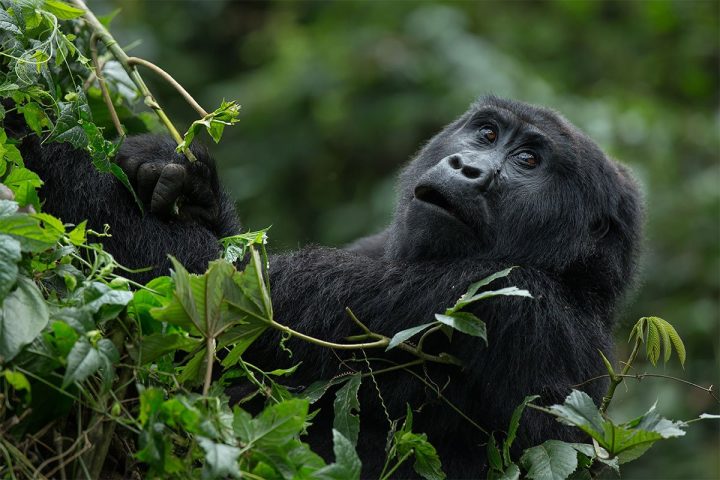
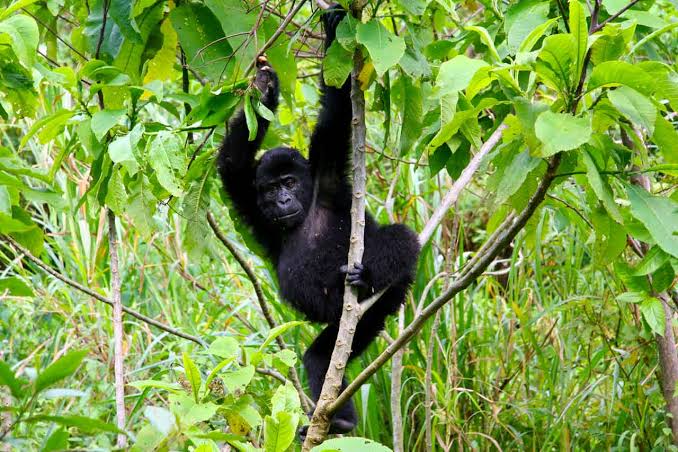
You can combine Meru national park wildlife safari in Kenya with gorilla trekking experience in Uganda. Gorilla trekking in Uganda takes place in two national parks and these are; Bwindi Impenetrable national park and Mgahinga gorilla national park, on the other hand, you can add chimpanzee trekking experience in Kibale national park on your bucket list.
How to get to Uganda from Kenya?
You can grab a flight from Jomo Kenyatta international Airport to Uganda’s Entebbe international Airport where your tour operator will be waiting to receive you and transfer you to the primate regions. You can use domestic flights to connect to Kibale national park and then fly to Bwindi impenetrable national park. However, you can use road transport to the primates’ regions and you will have a different experience as well. Driving from Entebbe to Bwindi impenetrable national park can take about 8 to 9 hours, and driving from Entebbe to Kibale forest national park it takes about 5hours. If you are to fly from Entebbe to Kihiihi an airstrip near Bwindi, it will take you about 1hour and 10minutes and flying from Entebbe to Semuliki airstrip is about 1hour and 50minutes.