Ngorongoro cater conservation area is Tanzania’s touristic jewelry and a world’s natural wonder that lays in the northwestern part of Tanzania. This natural wonder was decaled a global heritage site by UNESCO in 1,979 and this was witnessed when a man and his livestock coexist with the wildlife.
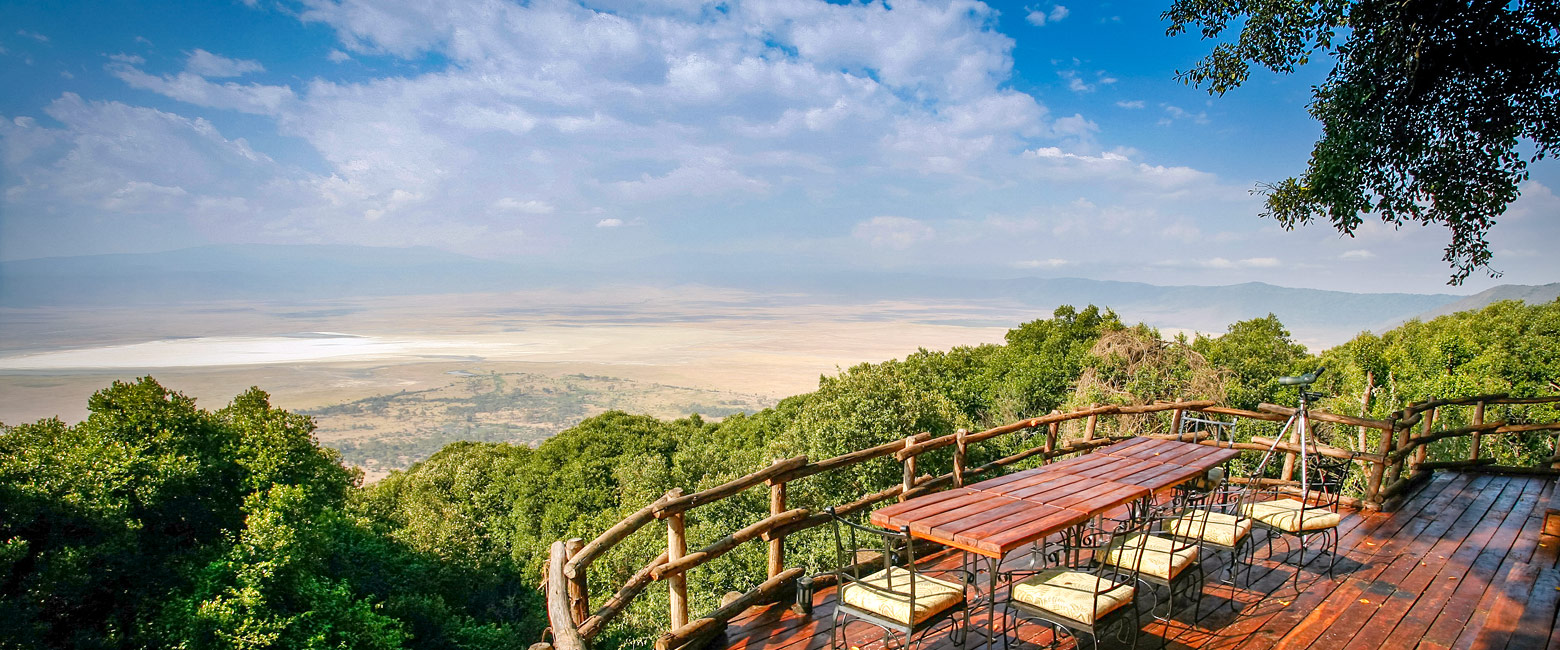
Ngorongoro crater is the main attraction in this conservation area and the crater is the world’s largest caldera and it is about 2000 feet deep with 260km2 wide and it was formed when the when the volcano collapsed on itself about 3million years ago. This great crater is extremely awe-inspiring and it should never miss on your list while you think about a safari to Tanzania. This natural wonder is a home to Olduvai Gorge or originally it was called Oldupai which is referred to as the “Cradle of Mankind” and this is the archaeological site where the skull of the believed first mankind was found by Paleoanthropologist Louis Leakey and his wife Mar Leakey in 1,950s and this Gorge has attracted millions of travelers from all walks of life to come and visit this place.
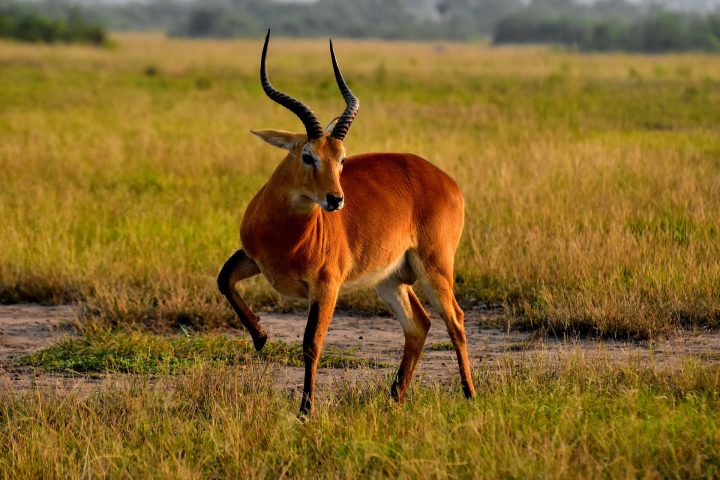
The conservation crater being a large and wildlife flourishing area, it is a home to over 115 animal species and among these, you will encounter Africa’s Big 5 and these are; lions, leopards, buffaloes, elephants and rhinos. In the wet season, around December to May, millions of wildebeests, zebras and gazelles go for calving period in the Ndutu area.
Location of Ngorongoro Conservation Area Tanzania
Ngorongoro is located in the Northern Tanzania about 153km away from Arusha town also known as Tanzania’s safari capital. Ngorongoro is located in the crater highlands. Ngorongoro conservation crater is part of Serengeti national park and it joins Serengeti national park to the northwest, Ngorongoro is 50km away from Lake Manyara national park, 139km away from Tarangire national park and 213km away from Arusha national park and this makes Ngorongoro conservation area one of the parks that form the Tanzania northern tourist corridor.
History of Ngorongoro Conservation Area Tanzania
Ngorongoro is a local dialect which was a sound made by the bells that were tied around their necks and the sound was Ngor-ngoo-ngoro. Ngorongoro conservation area was established in 1959 where the Masai pastoralists coexist with the wildlife. About 2000 years ago, this area was occupied by the Mbulu and later in 1700 the Datooga joined Mbulu however in 1800, the Masai pastoralists came and replaced these tribes and now the Masai pastoralists coexist with wildlife.
The Lerai forests in the northwest of Ngorongoro are composed of fig tree which are sacred to Masai and Datooga and are belied to have been planted at the graveyard of the Datooga leader who died in the battle with Masai around 1840. The history has it that since 1840, there was no European who stepped into Ngorongoro crater area until 1892 when Oscar Baumann. The two German brothers Adolph and Friedrich Siendentopf, camped in this area until World War 1 and in 1921, the order for preserving the area came out and 1928 in the entire area. Then later in 1951 Serengeti national park was formed and this caused a lot of chaos between the Masai people and this resulted into championing for Ngorongoro conservation area which was later implemented in 1959 and fully separated from Serengeti national park.
In 1979, UNESCO decaled Ngorongoro crater as the World Heritage Site and the Masai pastoralists who were living in Serengeti area were relocated to Ngorongoro area and this increased the number of pastoralists living in Ngorongoro.
Attractions in Ngorongoro Conservation Crater Area
Ngorongoro is a home to a million of wildlife and these have attracted thousands or hundreds of travelers from different walks of life. The park is compacted with millions of wildebeests, gazelles, zebras and these are main migrants during dry season, they cross to Serengeti then proceed to Masai Mara. The park is a home to Africa’s big 5 which are; lions, leopards, buffaloes, elephants and rhinos. Uniquely Ngorongoro Conservation Crater is has black rhinos which are and you will find them thriving at the crater rim and at the bottom of the crater and they are mainly found around Lereal forest and the Lemala ascent-descent road. There are a lot of hippos in Ngoitokitok springs, elephants at Lerai forests, birds among others.
Ngorongoro conservation area is a home to predators which are lions, hyenas, cheetahs, leopards, jackals. It is so strange that giraffes, topis and impalas can’t be traced at the bottom of the crater, however they can been at the crater rim. The absence of the Acacia trees at the crater floor discourages the giraffes from going there.
Birdlife in Ngorongoro Conservation Area
Ngorongoro conservation area is a home to over 550 bird species with some being endemic and others are migratory birds. This has contributed to Tanzania birding safaris thus increasing the number of tourist attractions in the great Tanzania. At the floor of the crater there is Lake Magadi which a salt lake and this is a home to millions of lesser flamingos and flamingos are also present Lake Ndutu ad in the Empakaai Crater Lake. Some of the birds that you will find in Ngorongoro are; turacos, hornbills, ostriches, bustards, crowned cranes, secretary birds, Anteater chat, Augur buzzard, Eastern double-collared sunbirds, Egyptian vultures, fan-tailed widow birds, greater and lesser flamingos, Livingstone turacos, and so many others. So for a birder, this should be on your bucket list.
The Ngorongoro crater in Ngorongoro conservation area
The crater covers an area of about 264km2 and it is 19km wide, this makes it the largest caldera in the whole world and this is among the best places in the world to visit. Seeing such an expanse of open land is breathtaking especially when it is decorated with animals, birds and best scenery. The crater walls are over 600 meters from the rim to the bottom and this has allowed the formation of streams that run downwards the floor forming ponds and filling the swamps at the floor thus accommodating large number of wildlife. This can be experienced on a Tanzanian safari where you will meet predators such as lions, cheetahs, hyenas, leopards stalking their preys and this is a dramatic state in the wilderness.
Empakaai Crater
Empakaai crater is not famous as Ngorongoro crater, but it is worth a visit since it is best for bird watching safaris in Tanzania. The crater is about 8km in diameter and it is about 3,000meters above the sea level on the Western side and it is about 2,590 meter above the sea level on the Eastern and this altitude makes Empakaai misty and the lake on the floor appears deep blue in color. If you are to visit Empakaai crater, you will enjoy breathtaking scenery from the crater rim and you will be able to view the volcanic cone of Oldonyo Lengai (Mountain of God) and Lake Natron.
Olmoti Crater in Ngorongoro Conservation Area
Olmoti crater is located in the north of Ngorongoro crater and in the south of Empakaai crater. This crater is the source of River Munge which pours its waters in Ngorongoro crater. This crater is not famous as the Ngorongoro and Olmoti, but it’s worth a visit especially in while you are on the safari in Tanzania. The Olmoti crater rim is about 3,080m and it is about 6.5km in the diameter.
The Archaeological Sites in Ngorongoro Conservation Area
There are several archaeological sites as they are listed below
- Oldupaai Gorge; Oldupaai is a Maasai term meaning the “wild sisal plant”, sometimes its spelt as Olduvai. This is the most famous archaeological site in the East African region and when you are on Tanzania safari, this is a must visit spot. Olduvai Gorge is about 40km Northwest of Ngorongoro crater which is about few kilometers from the Serengeti road. The Olduvai Gorge is about 50km in diameter and it is about 90m deep. This is the most visited park in this area and it has a history where the first skull of a man was found and research has it that truly Africa is the Cradle of Mankind.
- Laetoli Footprints in Ngorongoro Conservation Area; Laetoli footprints are the oldest footprints of the early ancestors of humans in the world.
- Olduvai Gorge museum in Ngorongoro
- Lake Magadi
- Central plains
- Lerai Forest
- Rumbe Hills
For more information, join our Tanzania safari to have the whole information in details. You can also combine Tanzania safaris with Uganda gorilla trekking safaris in Bwindi Impenetrable national park to have a package of the East African history.