What is the most visited national park in Uganda? Uganda was christened the ‘Pearl of Africa’ for its beautiful nature by Winston Churchill the prime minister of England in 1908 making it a highly ranked destination. Uganda is known for its wide range of species including the gentle giants, over 1070 bird species with 27 endemics, and a diverse array of animals including the Big 5.
Uganda is home to 10 national parks with diverse adventures, making it one of Africa’s most captivating wildlife destinations, offering an exceptional experience to tourists from within and outside the country.
Expect mammals like mountain gorillas, chimpanzees, golden monkeys, blue monkeys, red-tailed monkeys, black and white colobus monkeys, mangabeys, pottos, lions, leopards, buffaloes, elephants, rhinos, giraffes, zebras, kobs, crocodiles, hippos, forest hogs, bushbucks, waterbucks, fish, duikers, and many more; birds like shoebill, grey-crowned crane, African fish eagle, African grey parrot, great blue turaco, Rwenzori turaco, red-throated alethe, blue-headed sunbird, green breasted pitta, African green broadbill, Abyssinian ground hornbill, African jacana, papyrus gonolek, herons, barbets, warblers, flycatchers, bee-eaters and many more; unique landscapes, rich biodiversity, and incredible wildlife experiences. Below is a look at Uganda’s most visited national parks with Queen Elizabeth taking the lead:
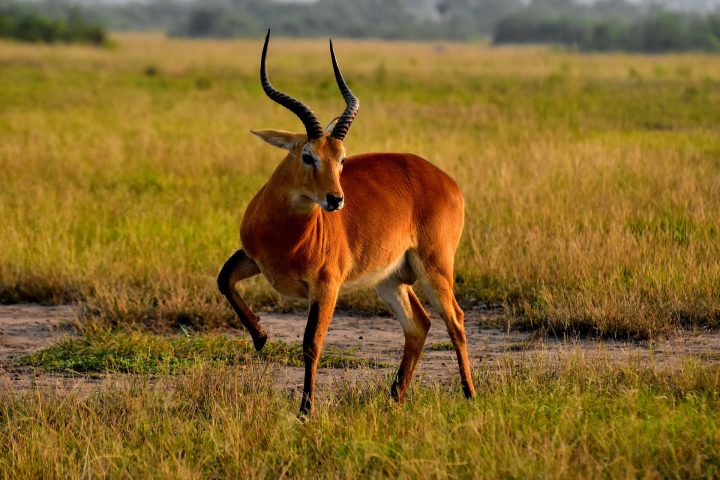
Located in western Uganda at 764 km2, Queen Elizabeth National Park is one of the country’s most popular and scenic national parks, known for its incredible biodiversity, varied landscapes, and abundant wildlife, making it a top destination for nature and wildlife enthusiasts. The park is home to over 95 mammals including the popular and rare tree-climbing lions, lions, elephants, buffaloes, leopards, hippos, crocodiles, antelopes, kobs, civets, hyenas, jackals, bushbucks, waterbucks, monkeys, chimpanzees, baboons, genets, and many more; over 600 bird species like the rare shoebill, pink-backed pelican, African skimmer, black-headed gonolek, black bee-eater, yellow-throated longclaw, red-chested sunbird, black and white casqued hornbill, Ludwig’s bustard, grey-crowned crane, long-crested eagle, great blue turaco, Madagascar pond-heron, Egyptian vulture, flamingos, cuckoo hawk, black-headed weaver, and many more; Kazinga channel, Kyambura Gorge, crater lakes, Ishasha sector, and Mweya Peninsula. Queen Elizabeth National Park offers a well-rounded wildlife and scenic experience, making it a tourist favorite.
One can take part in several activities like Game drives to explore the open
savanna for wildlife sightings like lions, elephants, leopards, jackals, hyenas, and many more; Boat safaris on the Kazinga channel providing wildlife and birding experiences; Chimpanzee trekking available in Kyambura Gorge and Kalinzu forest; Bird watching to spot rare, migratory and notable bird species across the diverse habitats; and Cultural experiences that give you a chance to visit nearby communities and engage intimately. The best time to visit and enjoy all these activities is during the dry seasons of June-September and December-February as there are fewer obstacles to deal with making the experience a lot better.
Bwindi Impenetrable Forest National Park
Located in southwestern Uganda at 330km2, Bwindi Impenetrable Forest is a UNESCO World Heritage Site and one of Africa’s most iconic natural areas known for its dense rainforest, remarkable biodiversity, and mountain gorillas.
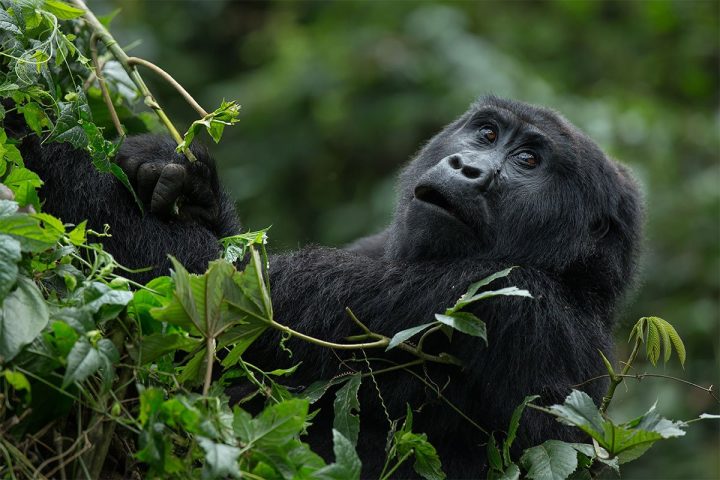
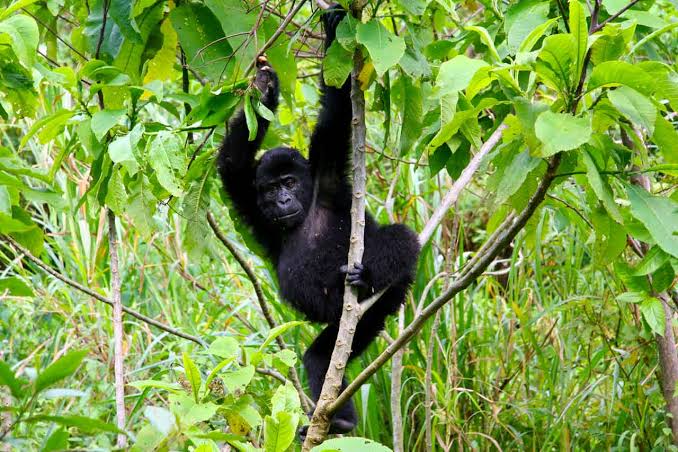
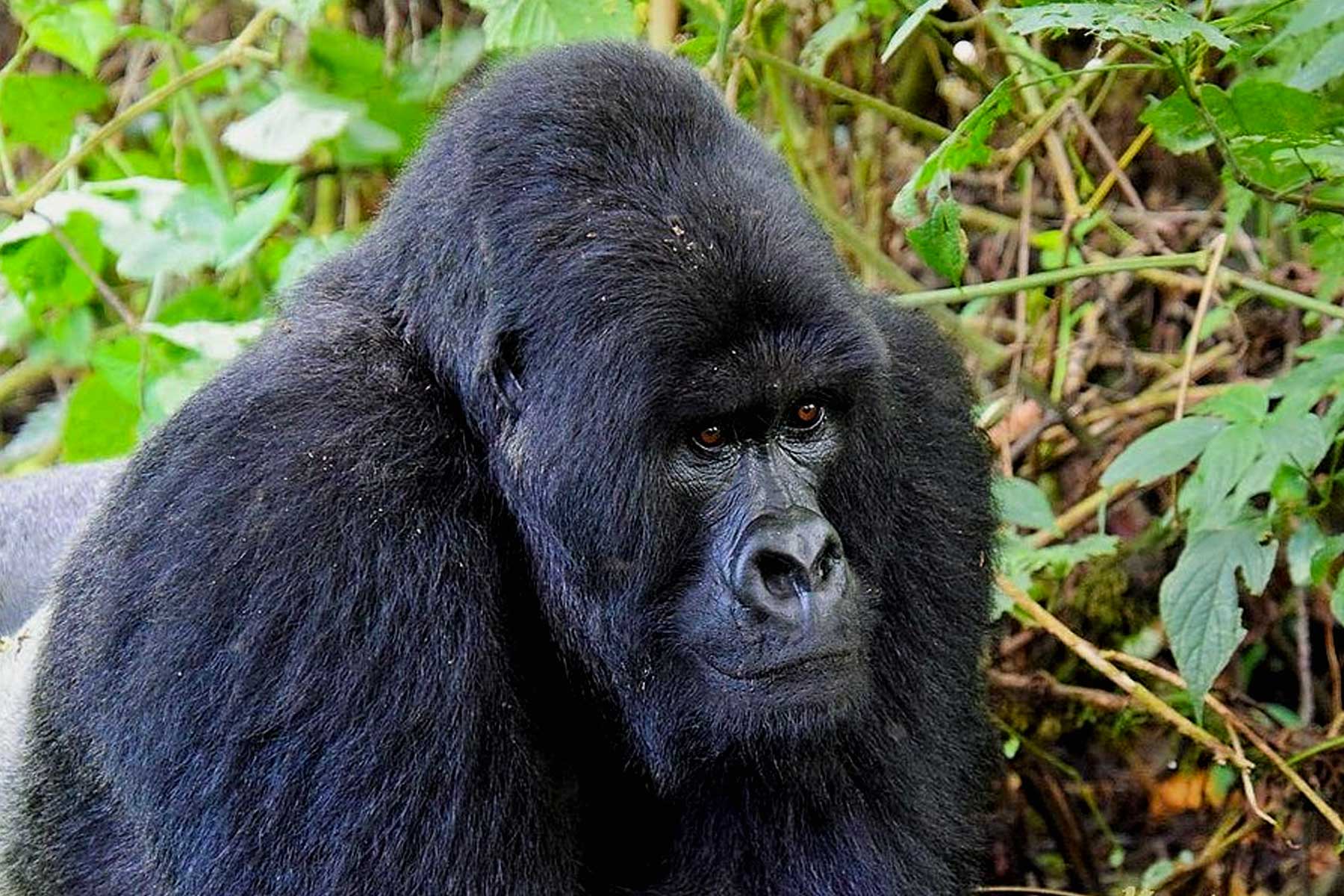
The park is home to 120 mammals including the magnificent mountain gorillas, duikers, African golden cat, red-tailed monkeys, L’Hoest’s monkeys, blue monkeys, pottos, giant forest hogs, bush pigs, side-stripped jackal, baboons, elephants, many more; 350 bird species with 27 endemics like the Rwenzori turaco, Rwenzori batis, black bee-eater, cinnamon-chested bee-eater, regal sunbird, Doherty’s bushshrike, dusky crimsonwing, handsome spurfowl, mountain oriole, blue-headed sunbird, white-tailed blue flycatcher, crowned hornbill, Shelley’s crimsonwing, bar-tailed trogon, mountain masked apalis, Rwenzori nightjar, dusky twinspot, western tinkerbird, giant kingfisher, mountain yellow warbler, and many more; butterflies, frogs, flowers, and plant species.
With gorilla trekking as a popular activity to be done, one can pair it with birding, guided nature walks to explore trails like the Mubwindi swamp or waterfall hikes, and Batwa cultural experience to learn about the indigenous Batwa and their history as the original forest inhabitants. The dry seasons of June-August and December-February as the best times to visit as the trails are easier to trek with less mud to deal with. The park’s unforgettable experience for nature lovers or ordinary people makes it one of the most sought-after destinations in Uganda.
Uganda’s largest and oldest national park at over 3,893km2, Murchison Falls National Park spans the districts of Masindi, Buliisa, Nwoya, and Kiryandongo offering a spectacular blend of
savanna, riverine forests, and wetlands popularly known for the Murchison falls, abundant wildlife and the Nile river flowing through it.
The park is part of the Murchison Falls Conservation Area with Karuma and Bugungu wildlife reserves. Murchison has over 76 mammals including lions, leopards, elephants, buffaloes, giraffes, hippos, crocodiles, waterbucks, chimpanzees, baboons, monkeys, antelopes, and many more; 450 bird species like Abyssinian ground hornbill, goliath heron, rock pratincole, black-headed lapwing, denham’s bustard, yellow-fronted tinkerbird, African grey woodpecker, black-headed gonolek, Silverbird, giant kingfisher, eastern plantain-eater, blue-headed coucal, speckle-fronted weaver, black-billed barbet, black-headed weaver, swamp flycatcher, long-tailed nightjar, and many more.
Murchison Falls National Park can be enjoyed fully through activities like game drives in the morning or evening to enjoy the vast
savanna, boat safaris upstream or downstream for the scenic views and wildlife, hiking to the top of the falls for the stunning views of the falls and surrounding landscapes, chimpanzee trekking, and cultural experiences allowing one to engage with the communities and learn about their history and traditions. Also best visited during the dry seasons of December-February and June-September however can be visited all year round. The unforgettable experience the park offers with the activities makes it a must-visit for any Ugandan adventure.