Mikumi National Park is one Tanzania’s National Parks situated in the Morogoro region of southern Tanzania about 280 kilometers from Dar es Salaam. It forms a unique ecosystem with the larger Nyerere National Park formerly known as Selous Game Reserve to the south, bordered by the Uluguru Mountains in the northeast and Udzungwa Mountains in the southwest. Mikumi National Park was gazetted in 1964 with an area cover of 1070 square kilometers that later annexed to 3,230 square kilometers by 1975 making it the country’s fourth-largest National Park behind Nyerere National Park, Ruaha national park and Serengeti National Parks. The Park’s highest point lies on Malundwe’s southern peak that reaches a height of 1,290 meters above sea level. Malundwe Mountain runs through the Park connecting to the Udzungwa and Uvidunda mountains to the west and Uluguru mountains to the northeast. The Park takes its name from the village beyond its western border which in turn got its name from the Borassus spp palm which once grew there in profusion but no stem is still visible in the village. Mikumi National Park is divided by Tanzania’s A-7 High-way into two areas with partially distinct environments with the north-west being characterized by the alluvial plains of the Mkata River basin whereas the southeast part of the Park is less rich in wildlife and inaccessible.
Attractions in Mikumi National Park
Mkata floodplains
These are the Park’s famous open grassy plains bordered by the Uluguru and Rubeho Mountains. They are known to be so vibrant and wildlife-rich centerpiece often compared to Serengeti’s endless plains. These plains feature fertile grasslands, Mkata River and termite mounds that attract a stunning variety of animal species throughout the year. The Mkata floodplains don’t only attract grazers and browsers but also attract several predator species such as lions notably fond of climbing trees during the wet season, African wild dogs, leopards and many more.
Wildlife species
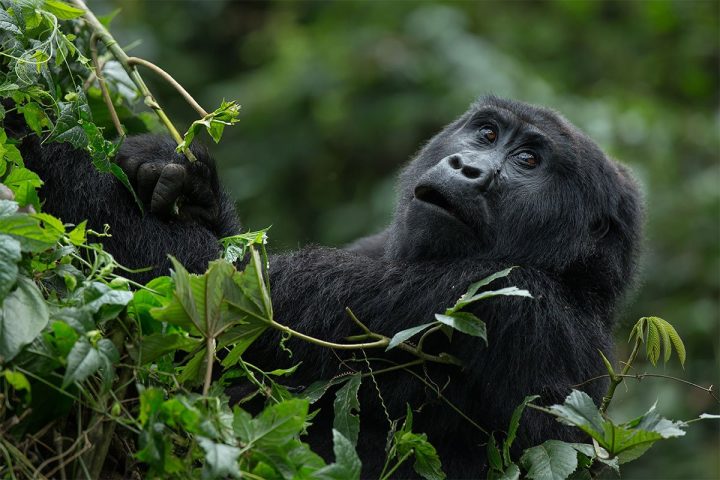
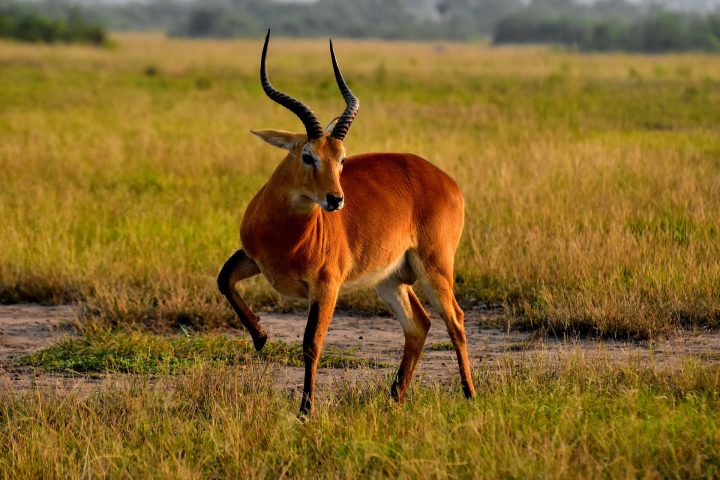
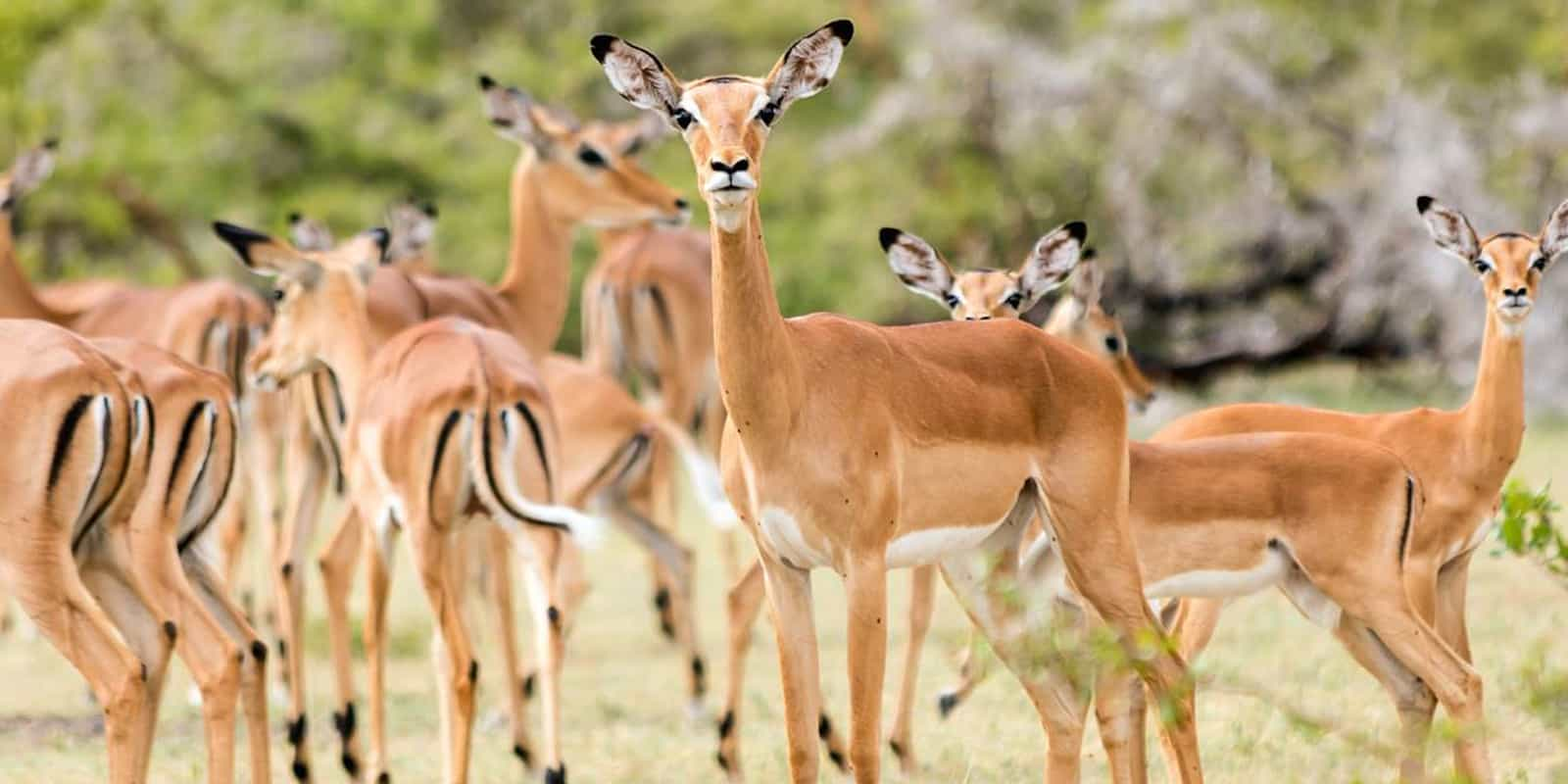
Mikumi National Park is known to be nicknamed “the little Serengeti” due to its wide-open flood plains and extensive savanna grasslands that harbor abundant savanna wildlife and large mammals. This Park is known to protect four of Africa’s Big Five mammals namely large herds of buffaloes and elephants, lions and leopards. Other wildlife species that can be seen in Mikumi National Park include the Masai giraffes, plains zebras, wildebeests, impalas, greater kudus, elands, spotted hyenas, wild dogs, sable antelopes, Lichtenstein’s hartebeests and many others. Most of the Park’s grazers are often seen grazing and browsing leaves from the isolated acacia trees that fringe the Mkata River other than the greater Kudus and sable antelopes that are very common in the bamboo woodland-covered foothills of the mountains along the Park’s boundaries. With such wildlife species, Mikumi National Park guarantees all year-round wildlife sightings making it an ideal Tanzania safari destination.
Bird Life
Mikumi National Park is a home to more than 400 bird species comprised of a mix of resident savanna birds, water birds and Palearctic migrants that appear from November to April. This wide array of fascinating bird life is supported by the Park’s varied habitats that range from open grasslands and acacia woodlands to Rivers and swamps. Notable and common bird species you can look out for in Mikumi National Park include the Lillac-breasted roller, martial eagle, secretary bird, African fish eagle, Bateleur eagle, African open-bill, harmerkop, yellow-billed stork, white-faced whistling duck, marabou stork, open-billed stork, weavers, black-bellied bustard, red-billed oxpecker, helmeted guinea fowl, yellow-throated long-claw and many others.
The Hippo pools
These are artificial designated mud pools also known as the Mwanambogo pools that are located about 5 kilometers north of the main entrance gate. The Hippo pools harbor the Park’s aquatic and semi-aquatic life such as large pods or schools of hippopotamuses which are the Park’s prominent aquatic mammals in the Park, Nile crocodiles that can frequently be seen basking on the edges of the hippo pools and an array of aquatic and water dependent birds. Common sightings of birds along these hippo pools include the yellow-billed storks, herons, marabou storks, egrets, the water thick-knee, open-billed storks and many others.
The Millennium Area
This area lies within the highly accessible Mkata flood plains in the northwestern region of the Park dominated by pristine open savanna grasslands often referred to as the Little Serengeti. This area serves as the premier concentrated hot spot for wildlife viewing more so large mammals for example large herds of Buffaloes, elephants, zebras, impalas, wildebeests and many others. There are also high chances of spotting the Park’s predators such as lions that frequently survey these open grasslands for prey. This area also features the Millennium picnic site which is one of the Park’s designated picnic sites that provide secure spots to stop, stretch, and have lunch or breakfast with endless sweeping views of the savanna grasslands.
Mkata River
This River is known to be the ecological and geological lifeline of the Park flowing through the wildlife-rich Mkata floodplains. This River’s basin is known to draw and attract numerous animal species making it an epicenter for wildlife and game viewing. Being a water source for various animal species during the dry season, this River not only does it attract massive congregation of herbivores or grazers but also their predators. The Mkata River is also is also a water source to the Park’s Hippo pools that are situated just off its main circuit. This River is not only a hot spot for game viewing but also one of the Park’s best spots for bird watching teaming with several bird species such as kingfishers, marabou storks, open-billed storks and many more.
Surrounding Mountain Views
Mikumi National Park is framed a series of Mountains such as Mountain Uluguru to the northeast, Rubeho and Udzungwa Mountain ranges to the southwest forming the Mkata floodplains, a basin that creates stunning and breathtaking backdrops for wildlife viewing and photography. These mountain ranges provide excellent hiking opportunities for example to Sanje waterfalls along the Udzungwa Mountain.
Activities in Mikumi National Park
Wildlife viewing/Game Drives in Mikumi National Park
Wildlife viewing stands out as the Park’s major activity that is done in 4×4 pop-up safari vehicles for the best unobstructed eye-level wildlife viewing, photography as well as navigate rugged, muddy and sandy terrain. Wildlife viewing is most preferably done within the Mkata floodplains dominated by open savanna grasslands that attract a variety of wildlife species such as large herds of buffaloes, elephants, towers of giraffes, elands, impalas and several predators. Several aquatic lives are easily spotted up-close from the Mkata River and Hippo pools northwest of the main entry gate. These hippos can be watched wallowing and snorting from a close range as well as crocodiles basking along the pools’ edges. Mikumi National Park offers both day and night dame drives with the night game viewing offering relatively a unique wildlife experience of animals that are often active in the night for example spotted hyenas, leopards, lions, genets, African civets, honey badgers and several foragers and primates such as the porcupines, bush babies, pangolins, aardvarks and many others. Night game drives are done with the guidance of an armed ranger for safety as well as a reliable flash light to help one spot and see wildlife easily and clearly in the dark. Night game viewing in Mikumi National Park is conducted between 8:00pm and 11:00pm implying that visitors have an opportunity of having both day and night wildlife viewing experiences. The best time for wildlife viewing in Mikumi National Park is in the dry season in the months of June to October because vegetation is thinner during this period of the year and animals congregate around predictable water sources such as the hippo pools, Mkata River and other water holes which make spotting wildlife so easy.
Bird Watching in Mikumi National Park
Mikumi National Park is an ideal spot for bird watching as over 400 bird species are present and several migratory species that return often during the wet season. The Park is made up of different bird habitats that range from savanna grasslands and woodlands to montane vegetation as well as riverine and swamps that are categorized among the richest in the world for residence and migratory bird species. These habitats also offer many spectacular viewing locations and opportunities for bird enthusiasts. Bird species to lookout for in Mikumi National Park include the martial eagles, lilac-breasted roller, malachite kingfishers, yellow-billed storks, egrets, weavers, black stork, hadada ibis, sacred ibis, helmeted Guinea fowl, bateleur eagles, yellow-throated long-claws to mention but a few. The best time for bird watching is during the wet season between November to April. This period of the year is the breeding period of birds and the Park is known to host a variety of migratory bird species.
Hippo Pool Viewing
Mikumi National Park is made up of several hippo pools about 5 kilometers north of the Park’s main entrance gate. These pools harbor numerous hippopotamuses and viewing them at a close range is one of the premier wildlife highlights in the Park. These hippo pools provide up-close sightings at massive pods of hippopotamuses wallowing, snorting, submerging in mud, interacting serving as a reliable oasis for photography. These hippo pools don’t only provide sightings for hippopotamuses but also a perfect spot to see large Nile crocodiles, an array of avian species as well as thirst quenching visitors like herds of buffaloes, zebras, giraffes, elands, elephants and many more that frequent these hippo pools. Along hippo pools, visitors have an opportunity to make stops to stretch their legs before embarking on their day’s game drive.
Guided Nature Walks in Mikumi National Park
Guided nature walks or walking safaris are conducted from the Park’s designated walking trails such as the Kikoboga, along Vuma hills and trails around the Mikumi wildlife lodge. These nature walks are done with the guidance of ranger guides last between 3 to 4 hours and known to offer a true wilderness feeling. During this activity, visitors walk through savanna grasslands as well as Miombo woodlands for a feel of different habitat types that relatively offer different wildlife species and plant type sightings.
Cultural Tours
These are conducted in adjacent villages to the Park such as the Maasai Boma communities in Mikumi town and the Hehe and Kwere communities in Morogoro region. These cultural excursions to neighboring communities allow visitors to mingle and interact with local communities where they learn about local culture, traditional homestead buildings, participate in vibrant celebrated dances and local cuisines. These cultural tours also offer opportunities to visitors of learning about these tribes’ rich history, how they live alongside with wildlife in the Park, traditional agriculture as well as having a glimpse into the local people’s everyday lifestyle by making visits to bustling local markets.
Camping
Camping is done in the Park’s public campsites, private tented camps and camp Bastian situated on the edge of the Park’s boundary. These campsites offer basic amenities such as shared toilets, water source, bathrooms, fire pits and many more. Camping in Mikumi National Park is the perfect way for nature enthusiasts to have a perfect feel of nature by one waking up to calls and beautiful calls of the wild.
What is the Best time to visit Mikumi National Park
The best time to visit Mikumi National Park is during the dry season that runs all year round from June to October. During this period of the year, the weather is dry making vegetation thin out offering unobstructed wildlife sightings even from a far distance. Several water holes in the Park also dry up during this period of the year drawing wildlife to congregate around the Mkata River and hippo pools making wildlife viewing exceptional and not strenuous since you don’t have to drive for so long in the wild looking for wildlife. However the Park transforms into a lush and tropical oasis during the wet season in the months of November to May making this period the perfect time for scenery viewing and photography. This is also the perfect time for bird watchers since a thousand of migratory bird species arrive in the Park between December and February.
Accessibility
Mikumi National Park can easily be accessible by road, train and air transport. By road, the Park can be accessed in about 4 to 5 hours from Dar es Salaam along the A7 highway that bisects the Park into two parts. From Dar es Salaam, the driving distance is about 283 kilometers to the Park though you will need to drive deeper navigating dirt tracks to the Mkata floodplains for one to experience the Park’s wildlife and other activities. The Park can also be accessed by public means such as public buses that travel the Dar-Mbeya route passing by the Park though you will need to book a private 4×4 vehicle or local tour operator to help you navigate the Park.
By air, there are chartered flights often arriving from Dar es Salaam and Zanzibar to several airstrips situated within the Park such as the Kikoboga airstrip. This is the perfect option for visitors on a very tight schedule and those that are not comfortable with long drives on the road.
Mikumi National Park can as well be accessed by train by travelers or visitors taking a high speed Standard Gauge Train (SGR) from Dar es Salaam to the nearby city of Morogoro in about 1 and a half hours where one can then transfer to the Park in a reserved 4×4 safari vehicle in about 2 hours to embark on the Park’s activities.