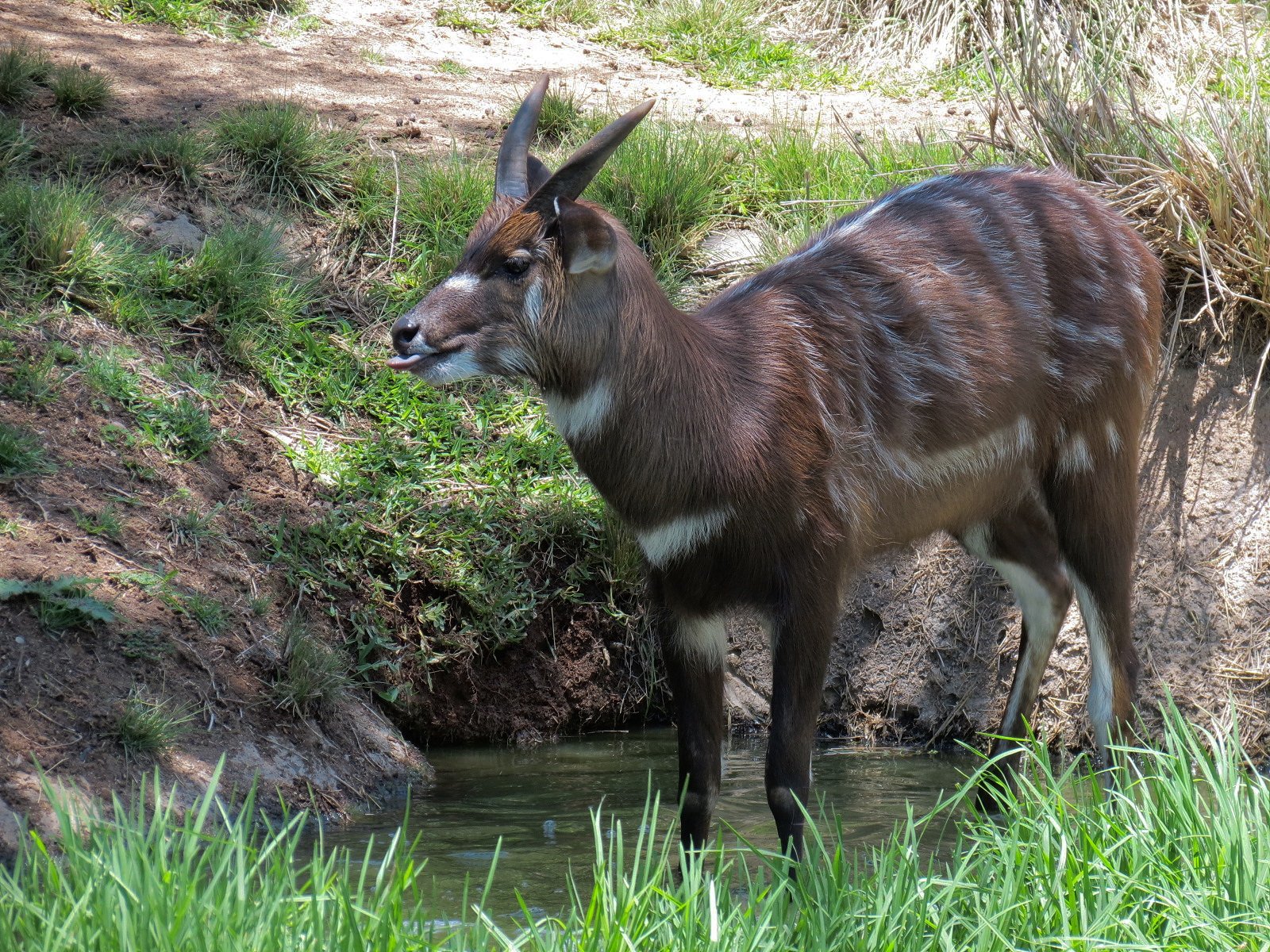
Kigosi National Park is one of Tanzania’s protected areas situated in the country’s northwestern region of the country spanning regions of Shinyanga, Geita and Tabora. This National Park was first established in 1983 as a Game Reserve that was later upgraded to a National Park in 2019. However, in 2024 Kigosi National Park was downgraded to a Forest Reserve. Its downgrade was endorsed by Tanzania’s Parliament to reduce tensions between the Park’s conservation authorities and the surrounding communities by allowing them to utilize its resources and resolving several land conflicts. Kigosi National Park is part of the Moyowosi/Malagarasi wetlands complex which is the largest wetlands complex or wetland ecosystem in the entire East Africa. It has an area cover of 8,265 square kilometers featuring a diverse landscape that is made up of open Miombo woodlands, floodplains, extensive grassy swamps and riverine forests. It features up to seven slow-moving Rivers that meander through a vast and intricate network of marshes, woodlands and plains Lakes. These Rivers include the Malagarasi River, Moyowosi, Nikonga, Kigosi, Ugalla and Gombe that eventually merge to feed Lake Tanganyika. This National Park was therefore named after the Kigosi River which is a primary drainage tributary that flows into the larger Malagarasi basin. These Rivers therefore create the dynamic floodplain environment or wetland system of a total area cover of almost 92,000 square kilometers which is an important refuge for rare aquatic species like the rare shoebill stork, sitatunga antelopes, wetland cranes, hippopotamuses, crocodiles along with other large mammals like the buffaloes, lions and many others. This entire region has been declared as a Ramsar site, a wetland of worldwide vital ecological importance.
Attractions in Kigosi National Park
Rare birdlife
Kigosi National Park is a world-class birding destination renowned for protecting up to 400 bird species including the resident species, migratory and water birds. The Park’s swamps,
savannagrasslands and woodlands provide ideal breeding and nesting grounds for highly sought-after bird species such as the prehistoric shoebill stork. Other bird species include the great snipe, wattled crane, pygmy geese, African fish eagle, open-bill stork, saddle-bill stork, Pel’s fish owl, tawny eagle, falcons, African spoonbill, yellow-billed stork, great egrets, lesser jacana, African jacana, malachite kingfishers,
yellow-throatedbee-eaters, pied kingfishers, scarlet-chested sunbird and many others.
Moyowosi wetland
This is a vast, remote wilderness nestled within the greater Malagari-Moyowosi Ramser site. This wetland is an intricate network of swamps, floodplains and a series of Rivers renowned for harboring the Park’s rare wildlife species. The Moyowosi wetland is a sanctuary to both bird life and several large mammal species. Birds that are looked out for in this swamp include the rare shoebill stork, wetland cranes, open-billed stork, African fish eagle and many more. Whereas mammals include the sitatunga antelopes, large herds of buffaloes, hippopotamuses, predators like lions and many more. This therefore stands out as the Park’s stronghold for aquatic rare species.
Plains and woodlands wildlife
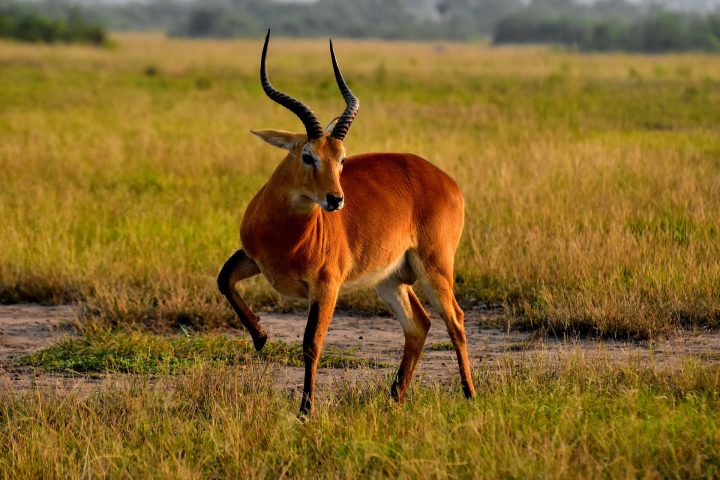
Kigosi National Park is famous for its incredible biodiversity particularly its massive populations of the rare water-loving sitatunga antelopes and its aquatic life. This National Park features a rich mix of vast swamps, Miombo woodlands and floodplains that support a robust ecosystem of herbivores and predators. Wildlife species in this National Park include the hippopotamuses, crocodiles, roan antelopes, topis, kudus, sable antelopes, Lichtenstein’s hartebeests, populations of apex predators that thrive in the central areas of the Park and stretches of the vast Miombo woodlands such as leopards, lions and spotted hyenas. The Park also harbors big games such as the African elephants, cape buffaloes, Defassa waterbucks, bushbucks, warthogs, zebras and many more.
Moyowosi and Kigosi Rivers
These are two major slow-moving waterways through the Park that are known to be the backbone of the Malagarasi-Moyowosi wetland ecosystem. Because of the all year-round water supply, these Rivers are incredible havens for rare water-loving and migratory species. The Rivers’ aquatic life include fish species like tilapia, Nile perch, tiger fish, crocodiles, huge schools of hippopotamuses, water birds such as the prehistoric shoebill stork and many others. These Rivers also attract large mammals such as herds of cape buffaloes, the rare sitatunga antelopes and several others.
Activities in Kigosi National Park
Game viewing
Visitors enjoy game viewing during game drives in a 4×4 pop-up safari land cruiser that are able to navigate rugged and muddy terrain as well as offering unobstructed sightings of wildlife. Game drives are the Park’s most popular way to explore its hidden treasures in vast flood plains,
savannagrasslands and woodlands. Both early morning and afternoon game drives are conducted in the Park offering totally different wildlife experiences. Morning game drives are ideal for predators and active herbivores sightings whereas afternoon and evening game drives are good for nocturnal sightings as well as golden-hour photography moments.
Birdwatching
Kigosi forest reserve is one of Tanzania’s richest birding areas known for supporting up to 400 bird species including the rare and endangered species such as the shoebill stork. Other bird species include the wattled cranes, Goliath herons, African fish eagle, pygmy goose, yellow-billed stork, saddle-billed stork, African open-bills and many others. This protected area is an all year round bird watchers’ paradise due to its combination of seasonal marshes, floodplains and River channels.
Guided Nature walks
Kigosi National Park’s hidden treasures and its untouched wildness can as well be explored at a slower more intimate pace during these guided nature walks. Visitors traverse the Park’s wetlands, woodlands and grasslands with the guidance of an armed ranger and a professional guide while learning about the wetland’s ecosystem, bird species and their nesting sites, unique plant types and their ecological importance, animal interactions and their behaviors as well as small mammals, reptiles and insects. This is therefore one of the best way for visitors to reconnect with nature.
Boat safaris
This is one of the Park’s major highlight where visitors cruise along the Moyowosi River and Kigosi Rivers to capture the Park’s aquatic life for example large schools of hippopotamuses, crocodiles, an abundance of water birds and several mammals that often flock the Rivers to quench their thirst. Boat safaris are often combined with sunset cruises, fishing excursions and photography sessions.
Spot fishing
There are fishing designated areas along the Park’s Rivers where fishing is permitted under regulated conditions. This activity is typically arranged through local tour operators and camps. Fish species that are often caught using local fishing methods include the Nile perch, tilapia and cat fish. Spot fishing creates relaxing and rewarding experiences to travelers especially those seeking a slower-paced outdoor activity.
Wildlife Photography/Photography Safaris
Kigosi National Park is a unique place and a dreamland for nature enthusiasts and photographers because its landscapes shift dramatically between seasons for example it turns to golden plains during the dry season and to lush green wetland scenes during the wet season. This Forest Reserve offers exclusive undisturbed nature scenes all year round ranging from aquatic life shots to bird photography, sunset river shots, misty morning wetland views as well as predator and herbivore interactions in the wild.
Best time to visit Kigosi National Park
The best time to visit Kigosi National Park is during the dry season in the months of June to October because during this period of the year the vegetation thins down offering visibility during game viewing and photography. Floodwaters reduce making the Park’s tracks more accessible for visitors without any restricted areas. During this period of the year, several water holes in the Park dry up which draws wildlife to gather around the remaining permanent water sources that fosters wildlife viewing with ease rather than driving for long in the wild looking for wildlife. The wet season from November to May however transforms the Park into a lush green paradise best for photography. Bird enthusiasts and bird watchers target and enjoy this season because this is the time when the Park receives several migratory bird species. During this period of the year, food for birds is in abundance, wetlands and woodlands flourish which are the perfect breeding places for native bird species.
Accessibility
Kigosi National Park can be accessed by both Road and Air transport. By Road, visitors can access this National Park from several towns such as Mwanza, Kigoma and Tabora. From Mwanza, the driving distance takes approximately between 6-7 hours through Shiyanga towards Bukombe arriving at the Park’s eastern entry points. The driving distance from Kigoma lasts between 5 to 6 hours through Uvinza and later connecting to the Moyowosi-Kigosi ecosystem. For those accessing the Park from Tabora, this route takes between 4 to 5 hours through lush villages, seasonal swamps and later arriving at the Park’s entrance.
By Air, Kigosi National Park currently has no scheduled commercial flights although chattered flights can land on designated Airstrips close to the Park where visitors are picked up and transferred to the Park to embark on their activities. Chartered flights can depart from Mwanza, Arusha, Dodoma or Dar es Salaam. Local reputable tour operators are the most convenient to book these chattered flights for visitors from charter providers such as Regional Air, Coastal Aviation, Auric Air and many more.
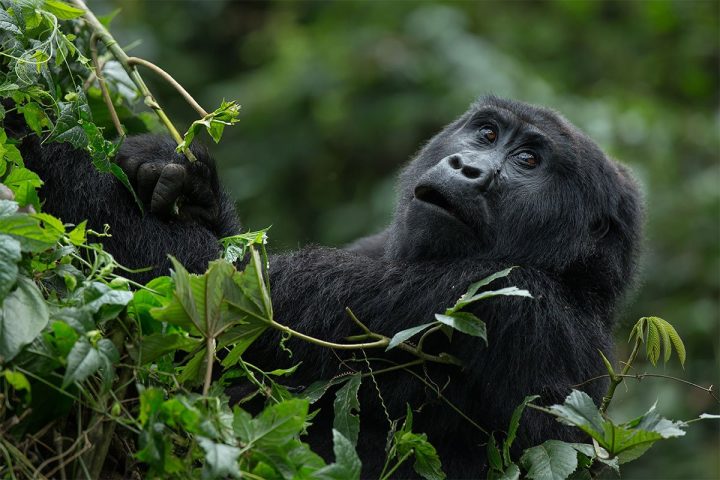
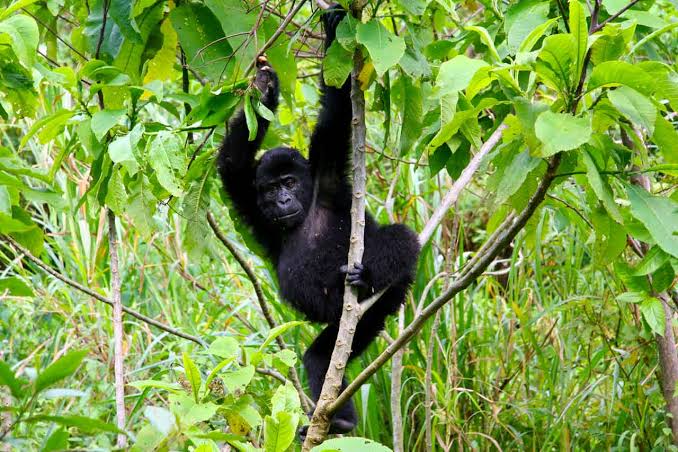
You can combine Kigosi national park safari with Serengeti national park safaris or Ngorongoro conservation crater or cross to Uganda and engage in gorilla trekking experience in Uganda in Bwindi impenetrable national park.