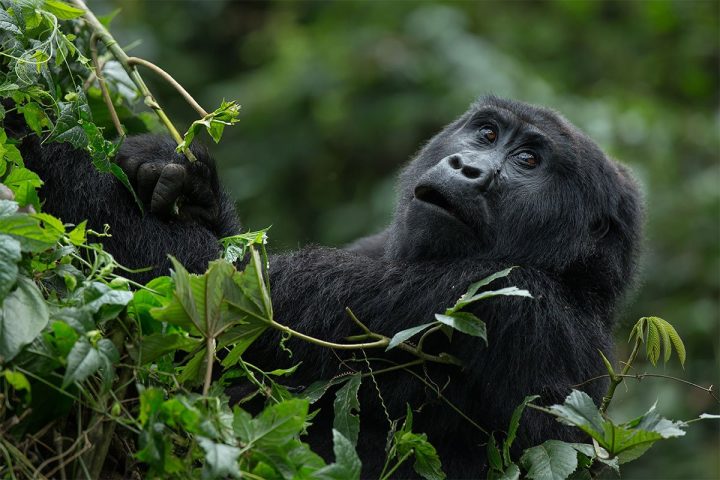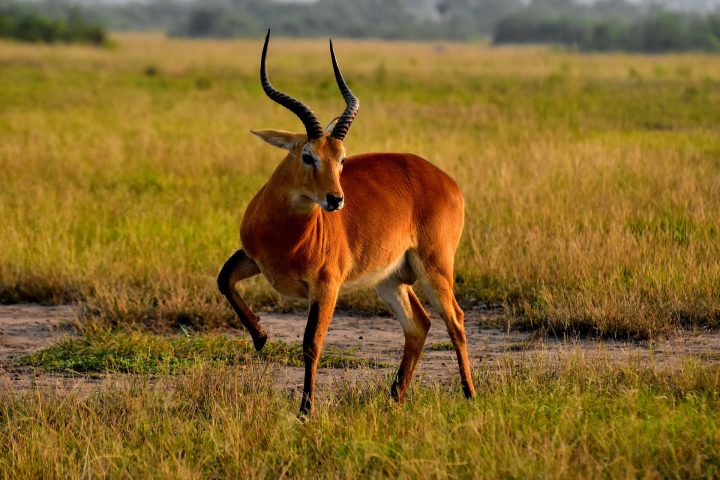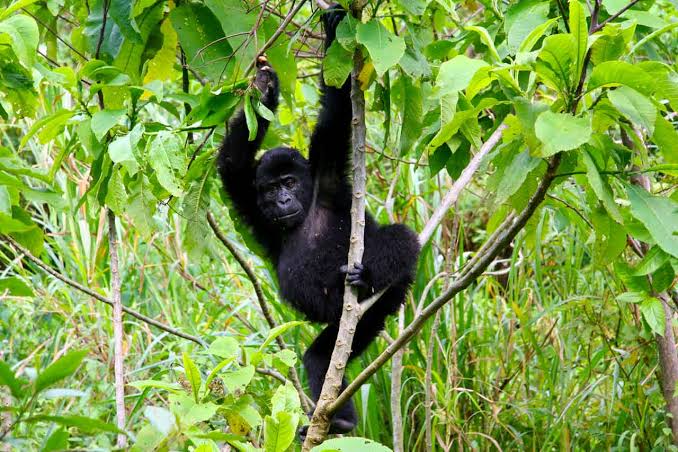
The cost of a safari in Uganda depends on number of factors for example activities that you are going to do, the length of your stay, accommodation type, transportation type and number of travelers. There are three types of safaris in and these determine the cost of the safari as well. For example, budget safari, the cost of a budget safari is between 250 USD and 300 USD per day.
The cost includes camping, transportation and meals, midrange safari type the cost is between 350 USD and 500 USD per day. The cost includes comfortable accommodation, transportation, meals, swimming and other incentives. A luxury safari in Uganda costs between 700 USD to 1500 USD per day and this also influences the activities you will do for example gorilla trekking experience in Uganda. Gorilla trekking in Uganda takes place in Bwindi national park and Mgahinga national park.
The cost includes luxury accommodation with best scenery, meals, swimming, and massage in case you want, laundry, ranger guide among other incentives. The duration also determines the cost of Uganda safari for example 7 days Uganda gorilla exclusive safari can cost you between 2000 USD and 5000 USD per person. A gorilla trekking permit costs 800 USD foreign non-residents while foreign residents pay 700 USD for the permit, the rest of African countries pay 500 USD, while Ugandans pay 300,000 Uganda shillings.
Factors that Influence the Cost of Safaris in Uganda
There are several factors that influence the cost of safaris in Uganda and the main one being accommodation. For example campsites and budget lodges will make the safari look cheap because their charges are low, while luxury lodges, resorts and hotels have premium services which are charged highly. This will automatically make the safari expensive.
The Duration of Your Safari: In this sense, longer trips have their costs high. For example, a 2-day Lake Mburo National Park safari is cheaper than a 6-day Uganda wildlife trip that includes gorillas. This is because of transport, accommodation and park entry fees.
Activities during the safari: Activities also determine the cost of a safari. For example the most expensive activities are gorilla habituation and trekking experience in Bwindi and gorilla trekking in Mgahinga and chimpanzee habituation and chimpanzee trekking in Kibale forest national park compared to other safari activities like game drives cruise in Murchison falls national park, Queen Elizabeth national park, boat cruise in Murchison falls national park or birding in Uganda.
Mode of Transport: This is also another determinant in that, private transport like using land cruiser, domestic flights, experienced driver guides, this makes the safari expensive compared to when using shared vehicles. This also brings in the issue of the distance between different destinations, because the far the destination, the much the gas you are going to use and automatically the price will be high.
Season of Travel: This is also another major safari price determinant. During peak season this is between June and September, December to February, the vegetation is short, wildlife viewing becomes easy therefore prices tend to be high compared to low season periods. Low season runs from March to May and October and November. During this period, the rains are on, most of the animal trails in the park are slippery, few people visit the park and prices tend to go down to attract more travelers.
Number of Travelers: The number of travelers also determine the cost of the safari in Uganda. For example, group travelers tend to share the costs of accommodation, gas prices and the vehicle as well and this makes the safari cheap compared to solo travelers who have to pay for everything on their own.
What does the cost of Uganda Safari Package Include?
The cost of the safari package in Uganda mainly covers accommodation, transport to and from the park, meals, professional driver guides. The driver guides always help the travelers to locate animals since they are familiar to animal tracks. Also the safari cost normally includes activities as detailed in the itinerary.
Some expenses such as gas, airport transfers, and domestic flights are always covered, however some extra expenses may come in if the traveler is asking for a special activity for example sundowners, packed lunch or activities not mentioned in the itinerary. It is of great importance for travelers to read and understand their travel itinerary before they make final payment because some itineraries may not include some fees like park entry fees or optional activities.
Are Park Entrance Fees and Permits Included in the Cost?
Park entry fees cut across to Uganda national parks, however, it is always important as traveler to inquire from the tour operator you are using whether these fees are included. You should also note that permits for example gorilla trekking permits, chimpanzee trekking permits, lion experiential are different from the park entry fees. These are billed separately.
What is the cost of Gorilla and Chimpanzee Permits in Uganda?
Gorilla trekking permits in Uganda costs 800 USD per person foreign non-residents, 700 USD foreign residents, 500 USD the rest of Africa and 300,000UGX for East Africans. You can track mountain gorillas in Uganda in two national parks and these are Bwindi impenetrable national park and Mgahinga gorilla national park. Chimpanzee trekking permit costs 250 USD foreign non-residents, 200 USD foreign residents and 180,000 UGX for East Africans in Kibale forest national park, while in Kalinzu forest and Kyambura Gorge, a chimpanzee permit costs 130 USD and in Budongo forest. Both gorilla and chimpanzee trekking gives you 1hour in the presence of the primates.
There is a special activity for primate enthusiasts and this is gorilla habituation and chimpanzee habituation. Their costs are different. For example a chimpanzee habituation permit costs 300 USD foreign non-residents, 250 USD foreign residents and 200,000 UGX for East African citizens. Gorilla habituation permit costs 1,500 USD foreign non-residents, 1,000 USD foreign residents, 1,000 the rest of Africa and 750,000 UGX for East African residents. After meeting the chimpanzees or gorillas during the habituation time, you are always granted about 4hours in their presence, taking pictures, videos, learning the most of the facts about these primates.
What is the best time of the year to do a Safari in Uganda?
Uganda is a home to a number of wildlife in different national parks. This is so advantageous in that, you can visit Uganda throughout the year. Different wildlife activities happen in different seasons of the year for example wildlife viewing, guided nature walks, is better during dry season between June and September, December to February. On another hand, activities like birding is better during wet season, this is when the vegetation is very green, there is much food in the wilderness and migratory birds tend to flock the parks making the entire process colorful.
What Extra Expenses should I plan for beyond the Safari Package?
Your safari package normally covers major items for example transportation, accommodation, meals, and drivers guides, there are additional expenses that come along while you are on a safari. These may include; alcoholic beverages, tips, souvenirs, or optional activities or an activity that is not included in the itinerary.