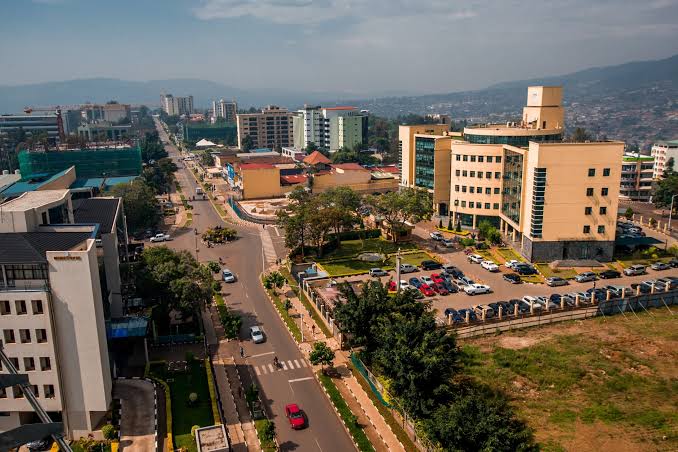
Kigali city tour is a city excursion to Rwanda’s capital city named after Mount Kigali that was often described using a Kinyarwanda word “gali” meaning “vast”. This city was first founded in 1907 as a German administrative center that has been seen evolve from a small colonial trading center into one of the Continent’s cleanest and safest city. However, this city’s history is deeply marked by the 1994 Rwandan Genocide that involved the fighting between Rwanda’s national army and the Rwandan Patriotic Front and known to have triggered mass killings of the Tutsi and moderate Hutus. After a period of about 3 months, this genocide came to an end after the Rwandan Patriotic Front had taken control of the city on 4th July 1994. Today Kigali has grown into a bustling economy, political and cultural herb of Rwanda covering up to three districts of Kicukiro, Nyarugenge and Gasabo. Therefore due to the dark history of Kigali and Rwanda at large, Kigali city tours are centered on this city’s post-genocide transformation and its rapid growth and modernization. Kigali’s dark history and its reflection set aside, tours to Kigali also showcase the country’s vibrant local culture, modernization and development, art and local commerce as well as urban greenery. Kigali city tour excursions are planned on both half day basis lasting between 4 to 5 hours and full day basis lasting up to 7 hours and beyond. Below are some of the historical sites, art galleries, scenic outdoor viewpoints and community hubs that are often covered during a city tour to Kigali;
Kigali Genocide Memorial
Kigali genocide memorial is a historical site that commemorates the 1994 Rwandan genocide. It is a final resting place of over 250,000 victims of this genocide with their remains interred here. This memorial center is situated in Gisozi just outside of central Kigali. It is a place of remembrance and learning dedicated to the genocide against the Tutsi in Rwanda. Kigali genocide memorial is a perfect spot for those wishing to have a clear understanding of what geared up the Rwandan genocide against the Tutsi in 1994. This UNESCO World Heritage Site does not only document this Rwandan genocide but also include three permanent exhibitions that give Rwanda’s nightmare a historical context namely a children’s memorial with life-sized photos accompanied by intimate details about their favorite toys and the manner in which they were killed as well as an exhibition on the history of genocidal violence around the world. Entry to this genocide memorial is totally free though you can opt for a self-guided audio tour for clear understanding at around 15$ to 20$.
Camp Kigali Memorial
This is also known as the Camp Kigali Belgian Monument honoring the 10 Belgian United Nations peacekeepers that were brutally massacred on 7th April 1994during the early days of the Rwandan genocide. These 10 Belgian peacekeepers had been deployed to protect the home of Prime Minister Agathe Uwillingimana where the Presidential guard soldiers found them and disarmed to be transported to Camp Kigali where they were brutally killed. This memorial site is located in central Kigali on KN3 Avenue featuring 10 stone pillars each having the name and age of each Belgian soldier etched into it.
Kadt House Museum
The Kadt House museum is known have been the residence of Germany’s first colonial administrator Dr Richard Kadt. It highlights the pre-colonial life and the structure foundations of Kigali. It is formerly known as the Natural History museum located in Nyarugenge district in the city of Kigali. This building is therefore the only historical remaining building from 1908 that was later renovated in 2004 and turned into a natural history museum showcasing the country’s natural resources. Later on 17th December 2017, this museum’s name was changed to the Kadt House museum with a new exhibition showing the history of Rwanda before and within the German colonization. This place also exhibits live reptiles like Nile crocodiles, snakes found in the Rwandan countryside for example cobra, python, black mamba and many more.
Campaign against Genocide Museum
This is a historical and military museum situated inside the Parliamentary building of Rwanda in Kigali managed by the Rwanda Cultural Heritage Academy with other seven museums. The Campaign against Genocide museum was inaugurated in 2017 by President Paul Kagame with an aim of showcasing the history of Rwanda during the campaign against the genocide against the Tutsi. This museum also highlights how the 600 Rwanda Patriotic Army soldiers rescued victims of the genocide. This genocide museum features a popular machine gun monument that was used by the Rwandan Patriotic Army armies that were residing in the parliament building to mitigate genocidal forces. This genocide museum also features a rooftop machine gun and damage that were heavily scarred by bullet holes and shelling alongside a large 12.7mm machine gun monument on the roof used to hold off advancing forces. Visitors to the Campaign against Genocide museum also have an opportunity to look into the third battalion sick bay that used to treat wounded soldiers and rescued survivors.
King’s Palace Museum
This is a premier cultural historical site located in Nyanza showcasing the country’s rich monarchical heritage from the 15th century until its dissolution in 1962. This Museum features a traditional royal palace constructed entirely out of traditional natural materials such as grass thatch, wood and woven reed patterns. Its beehive-like shape symbolizes Rwandan ancient architectural ingenuity. There are also sacred Inyambo cattle at the museum that are highly revered long-horned Ankole cattle which are direct descendants of the King’s original herd. Visitors often watch specially trained keepers maintain unique rituals as they sing traditional poems referred to as Amahamba in Kinyarwanda basically to soothe, parade and groom these cows. At this King’s Place museum, visitors are often taken through the crowning procedures and ceremonies of kings and Queen where they are also crowned.
Inema Arts Center
This is an art gallery and art center situated in the heart of Kigali known to have been founded in 2012 by brothers and painters namely Kenneth Nkusi, Innocent Nkurunziza, Emanuel Nkuranga, Denis Mpabuka, Joseph Ntwali and Timothy Akimanzi. These six brothers started Inema art center to showcase Rwanda’s latent artistic skills using creative expression to bring Rwanda’s communities and the country at-large to life and providing a platform for several artists. This Art gallery features sculptures, portraits and several other artistic items. This is therefore one of the best places in Kigali to have some souvenirs for visitors to take with them back home.
Nyamata Genocide Memorial
This is a National and World Heritage Site commemorating the 1994 Rwandan genocide against the Tutsi. It is based at a former church in Nyamata about 30 kilometers off the city center. The Nyamata memorial site is known to protect up to 50,000 people’s remains that were buried here after they were killed during this genocide. Therefore, this is one of the six genocide memorial sites that are open for visits to commemorate and reflect on the country’s dark side.
Nyandugu Eco-Park
This is a 120 hectare tourism Park situated between districts of Gasabo and Kicukiro that supports sustainable travel of visitors to enjoy its natural areas and wild animals in the Nyandungu valley. This Park is therefore made up of ornamental ponds, medicinal plant gardens, eastern gallery forests, information centers, restaurants, paved walkways and several other recreation services aimed at environmental conservation. Activities at this eco-park may include hiking through picturesque trails, cycling, picnicking amidst serene landscapes, birdwatching to spot up to 110 bird species that roam this eco-park and many more. It’s therefore worth to be included on Kigali city’s tour for visitors to enjoy both nature and adventure activities.
Kigali Convention Center
This convention center is located about 6 kilometers west of Kigali International Airport along KN5 Highway. This convention center features a 5-star hotel, a conference center with a seating capacity of up to 2,600 people, an information technology Park and a museum. This therefore serves as the city’s modern expansion that was constructed in a dome-shaped architectural design inspired by the traditional Rwandan Royal Palace.
Kimironko Market
This is the city’s largest and most vibrant market situated in the heart of Rwanda’s capital packed with sensory experiences, fresh organic produce that is known to be produced both locally and imported, handmade crafts, colorful African fabrics and many more.
Nyamirambo Women’s Center
This center is known to have been started by 18 women in 2007 some of whom were victims of gender-based violence, inequality and discrimination in society. The aim of this initiative was aimed at addressing these women’s pressing issues and how they would survive and obtain a living in the societies they lived in. This initiative later developed into a cooperative named Umutima that aimed at enhancing self-sustenance among women. To date, this cooperative is known to have grown with up to 60 women employed as dressmakers, souvenir specialists, trainers of the unprivileged women and many others. Nyamirambo women’s center therefore offers activities during Kigali city tours such as sewing lessons, basket weaving experience, local cuisine cooking classes, Nyamirambo walking tours, souvenir shops and many more.
Mount Kigali and Juru Park
Mount Kigali and Juru Park are two elevated view points and recreational landmarks located in the southwestern corner of Kigali near Nyamirambo known to offer panoramic landscapes and outdoor activities. Mount Kigali reaches heights of approximately 1,853 meters at its highest point. Activities here include half-day hikes, recreational activities such horse-back riding and many more with sweeping views of the city. Juru Park on the other hand features a sprawling open-air event center and a garden space that can accommodate large gatherings with unobstructed panoramic views of the city and the surrounding countryside.
Biryogo Car-Free Zone
This is a vibrant pedestrian-only cultural and culinary hub situated in Nyamirambo famous for its street-food scene, colorful aesthetics and authentic hubs where visitors make stops for traditional Rwandan local food and spiced tea. It features striking asphalt art with blue, green and white wavy patterns painted across the road. This is therefore one of the city’s best places to experience Rwanda’s nightlife.
You can combine Kigali city tour with national parks in Rwanda for example Volcanoes national park, Akagera national park, Nyungwe forest national park or gorilla trekking experience in Uganda in Bwindi impenetrable national park or Mgahinga gorilla national park.