Lake Manyara national park is one of Tanzania’s hidden gems located at the base of the Great Rift Valley. It is located in the northern circuit of Tanzania wildlife safaris, covering an area of about 325 square kilometers. The park was first gazetted as a game reserve in 1957 and this was aimed at reducing hunting of wildlife which would lead to extinction of most them, in 1960 it was upgraded into a national park and because of this great biosphere and ecology, it was declared a UNESCO world heritage site. Manyara national park’s main tourist attraction is tree climbing lions like those in Uganda’s Queen Elizabeth national park in Ishasha sector. Lake Manyara national park is a small national park compared to other national parks in Tanzania for example Serengeti national park, Ngorongoro conservation area, Tarangire national park, Ruaha national park among other, but it is famous for its vibrant and unique wildlife.
Other unique tourist attractions in Lake Manyara National Park include;
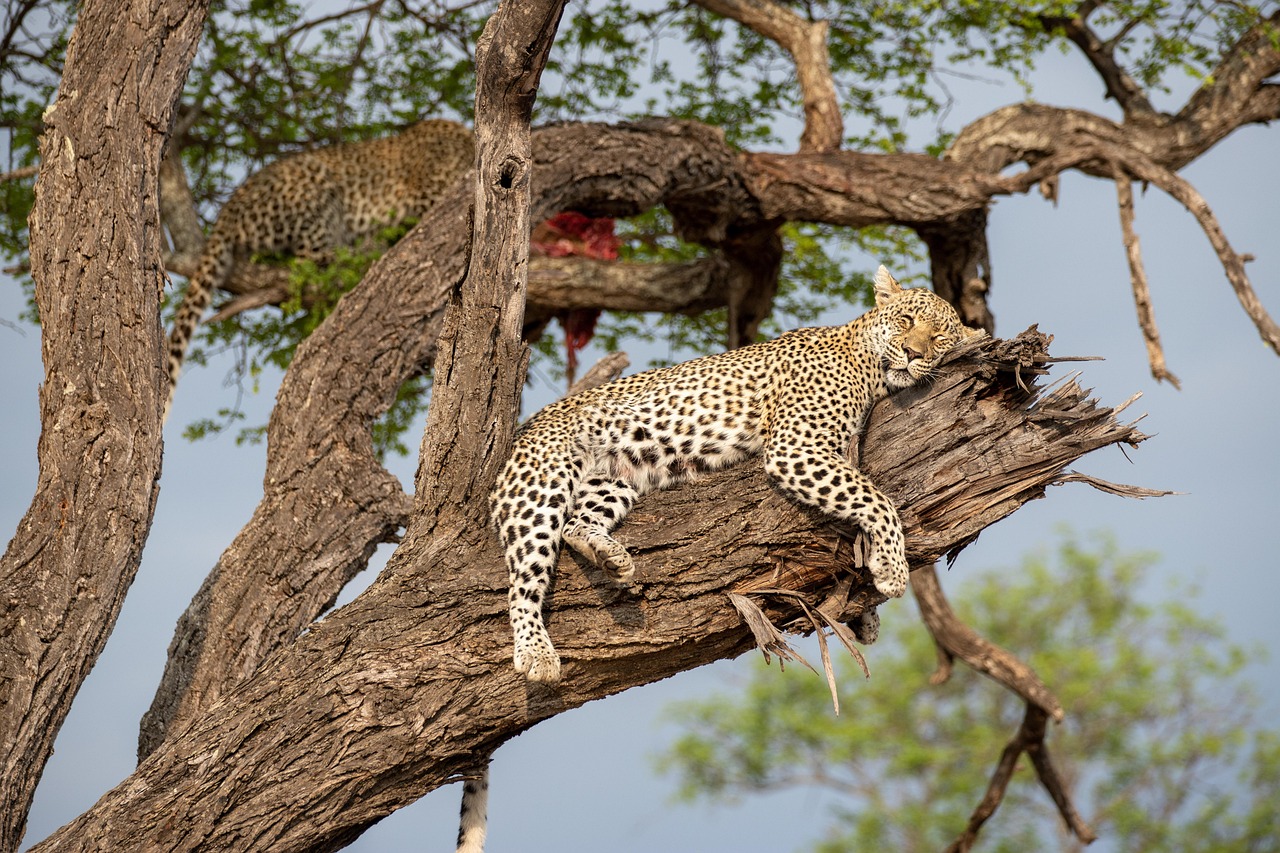
Wildlife in Lake Manyara: The main attraction in any tourist destination are wild animals and the main attraction in Lake Manyara national park are tree climbing lions, other wildlife that thrive in the park include; leopards, elephants, buffaloes, wildebeests, giraffes, zebras, hyenas, hippopotami, klipspringers, cape clawless otters, baboons, monkeys among others.
Birdlife: Lake Manyara national park is a home to over 400 bird species and this makes it one of the birding paradises in Tanzania’s tourist safaris. The park being composed of swamps, forests and savanna, there are different bird species that inhabit these areas. Some of the bird species that roam in the park include; pelicans, flamingos, spoonbills, egrets, herons, stalks, waders, crowned eagles, African grey hornbills, noisy silvery cheeked hornbills, African hawk eagles, African jacana, great white pelicans, grey crowned cranes, hottentot teals, little stint, hammerkops, Baglafecht weaver, comb ducks, lesser flamingos, southern ground hornbills, pied avocet, spur-winged goose, pied kingfishers, pink-backed pelicans, saddle-billed storks, Abdim’s stork, African fish eagles, yellow billed stork to mention but a few.
Lake Manyara: Lake Manyara is the main source of water in the park covering an area of about 181.5 square meters with a depth of 3.7 meters positioning the lake in the 7th largest lakes position in Tanzania. The lake is a closed basin that is fed by underground springs and it has no inflows. The lake is a home to different fish species and tilapia and catfish being the main fish species. There are high concentrations of flamingos seen at the shores of the lake.
What top activities in Lake Manyara National Park?
Game Drive: Lake Manyara national park is a home to a number of wildlife with Africa’s big 4 and these are; lions, leopards, buffaloes and elephants and these can be spotted during game drives. There is other wildlife in the park which are seen during the game drive and these are; wildebeests, bushbucks, giraffes, zebras, klipspringers, baboons, monkeys among others. Game drives in the park can be done in the morning, afternoon and in the evening. Morning game drives are done in the morning at around 6am to see early risers and evening game are for those animals which fear heat of the day. You can also engage in the night game drive in the park to see nocturnal animals.
Birding: The Park being a home to over 400 bird species, this makes the park one of the birding paradises in Tanzania. During your birding safari in Lake Manyara national park expect to spot species like crested guinea fowls, spoonbills, African hawk eagles, greater flamingos, little stint, hottentot teals, spur winged goose, silvery-cheeked hornbills, pied avocet to mention but a few.
Guided Nature Walks: Engage in this fascinating experience in the park where by you have to navigate the park on foot with a ranger guide exploring different scenic viewpoints including hot springs, rift valley escarpments and different kopjes. You will come close to wildlife in their natural habitat for example you will traverse through the plains of the park which host animals like zebras, giraffes, warthogs, baboons and birds. Guided nature walks in the park are best done in the early morning and in the evening.
What is the best time to visit Lake Manyara National Park?
Lake Manyara national park is a fabulous park with vibrant wildlife, amazing sceneries and is available for the visit throughout the year, however, the best time to visit the park is during dry season between June and October. During this period, you can easily navigate the jungle with uninterrupted views since the vegetation will be short and all the trails are dry enough. It is I this period that you can easily locate the animals since they normally fringe around the water bodies. On the other hand, during wet season between March and May, there are migratory birds in the park, this is also a nesting season, there is much food in the park and many birds flock the skies of Manyara making it the best period for the birders and photographers.
Where to stay in Lake Manyara National Park?
There are very many places where you can stay while on your safari in Lake Manyara national park and depending on your budget, there are all types of accommodation inside the park and outside the park. There luxury lodges, Midrange lodges and Budget accommodation in and outside the park. some of the lodges include; Lake Manyara Plantation Lodge, Isoitok Camp Manyara, Manyara tree lodge, Manyara ranch conservancy, Manyara Serena Lodge, Lake Burunge tented camp, Lemala Manyara camp, Lake Manyara view lodge, Kiruruma tented lodge, Lake Manyara hotel among others.
Can I combine Lake Manyara Safaris with Gorilla Trekking Experience in Uganda?
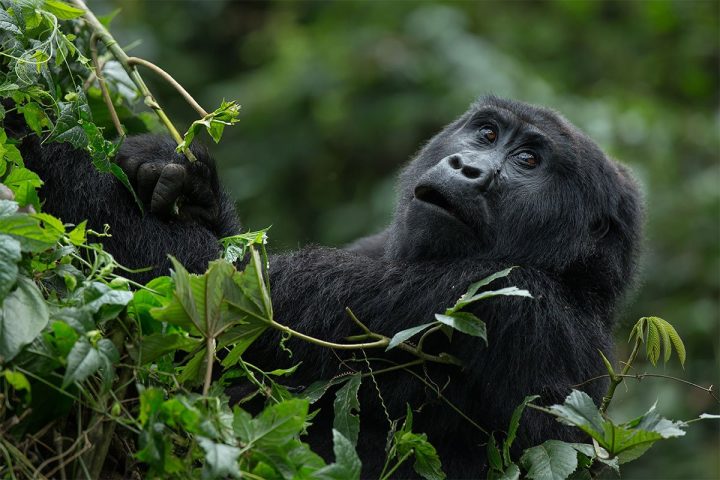
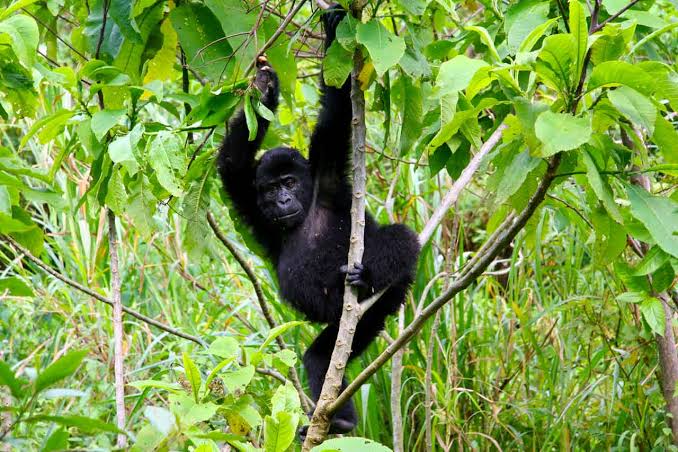
The answer is yes, and this is how you can combine these 2 destinations. You can decide to first visit either Lake Manyara national park then grab a flight from Arusha or Kilimanjaro to Uganda’s Entebbe international airport where our company representative will be waiting to receive you and then hit the road to Bwindi impenetrable national park or get a domestic flight to Kisoro and then be received from Kisoro or Kihiihi and be transferred to the booked lodge in the park and the next day, you will have the mighty encounter with mountain gorillas in their natural habitat.