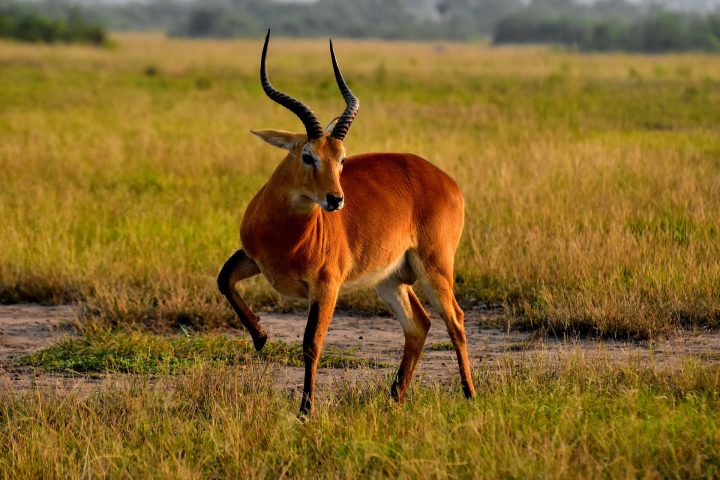
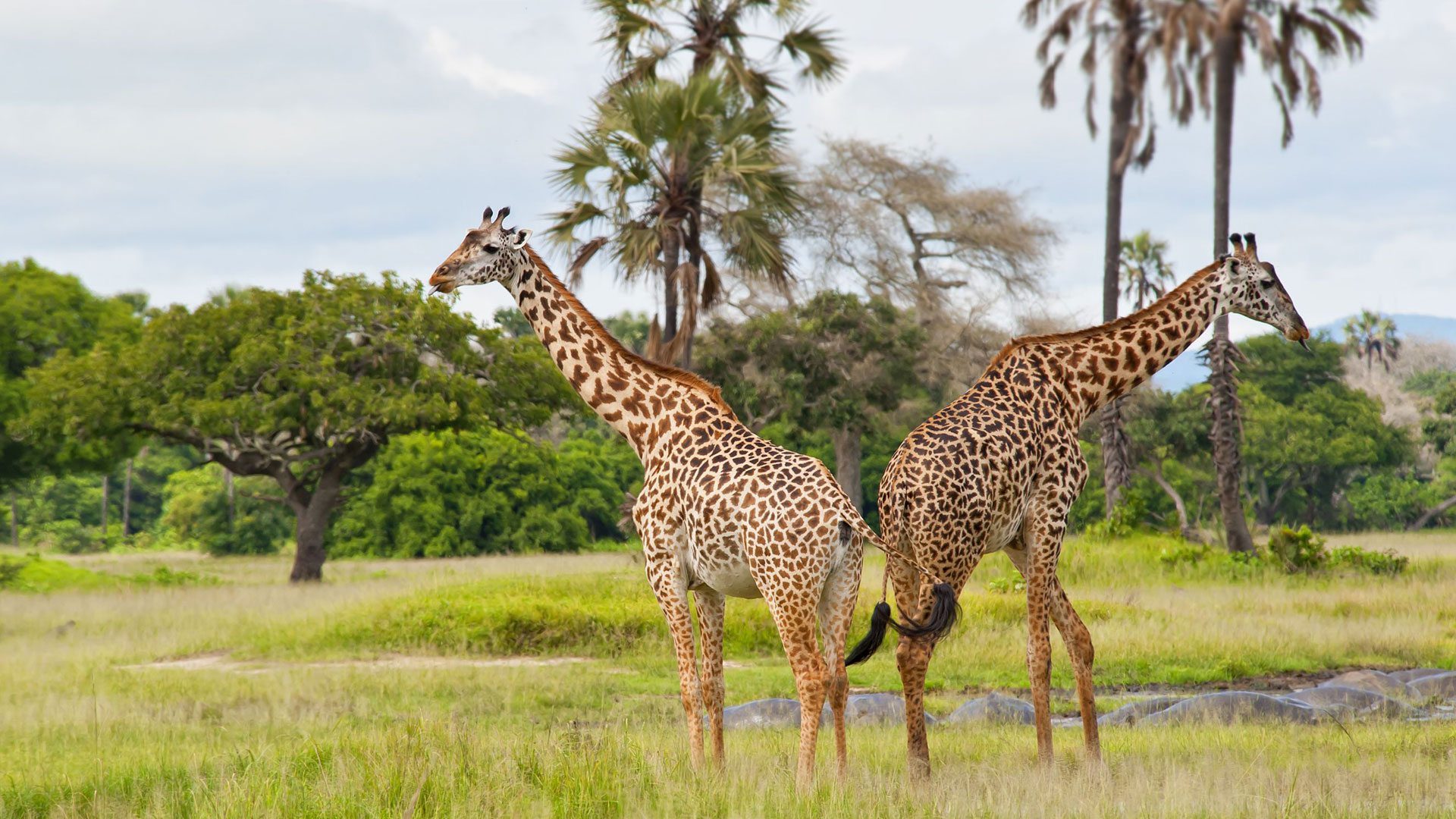
Katavi national park is one of the largest national parks in Tanzania, it is situated about 50 kilometers east of Lake Tanganyika in Mpanda district in Rukwa region. The park covers an area of about 4,471 square kilometers and it was established in 1974 and it is the third largest national park Ruaha national park and Serengeti national park. Katavi national park is composed of undulating rangelands with the highest being 1,560 meters above the sea level. The park having this vast space where wildlife thrives from, it is a home to hundreds of wildlife and some of the wildlife that dwell in Katavi national park are; elephants, zebras, hippopotami, impalas, giraffes, reedbucks, topis, greater kudus, elands, duikers, warthogs, leopards, lions, spotted hyenas, wild dogs, serval cats, primates such as baboons, monkeys, bush babies, reptiles like crocodiles, monitor lizards, and birds for example; knob billed ducks, green pigeons, Senegal plovers, snake eagles, saddle billed storks, grey herons, open billed storks, ostriches, grey crowned cranes to mention but a few.
The park is less visited compared to other national parks in Tanzania for example Ngorongoro conservation area, Tarangire national park, Arusha national park and others, this makes Katavi national park to be a home to untamed wilderness that have attracted many travelers from different parts of the world. Some of the attractions in the park include; birds, the park has a
recorded number of birds to be over 450 bird species, vegetation types for example open savanna and Afromontane, rivers like Katuma which harbor crocodiles, hippopotami, wildlife, lakes for example Lake Katavi among others, all contribute to the attracting block in Katavi national park.
What to do in Katavi National Park?
Game Viewing: Katavi national park less visited and less crowded, it make it one of the best safari destinations in Tanzania for game viewing. The park boasts for hosting various wildlife for example; elephants, giraffes, impalas, spotted hyenas, lions, topis, buffaloes, hartebeests, reedbucks, zebras to mention but a few. Game drives in the park are best done in the early morning at around 6am to catch the early risers and in the late evening where you will spot animals that fear the heat of the day. You can only come closer to this wildlife during game drives. You can also do a whole day game drive in Katavi national park and this will require you to go with a packed lunch where you will have a picnic lunch in the middle of the wilderness. Game drives normally last for 2 to 3hours, but if you feel like enjoying the jungle, you can spend the entire day in the wilderness, seeing animals, visiting different kopjes and animal viewpoints.
Guided Nature Walks: Engage in a fascinating experience where you will have a chance to come closer to wildlife on foot. You will have a ranger guide who will take you to different scenic viewpoints in the park, the ranger is well versed with different trails which will expose you to different waterfalls like Lukima and Ndidi waterfalls, and you will have a view of Lake Katavi and Chorangwa waterfalls through Chorangwa hiking trail. You will have a touch of untamed nature, walk on the soil in the park, spot some wildlife, hear some roaring, birds will be chirping and the feeling will not be a usual one.
Birding in Katavi National Park: The Park boasts to have a recorded number of birds to be over 450 bird species making it one of the best birding destinations in Tanzania. Birding in the park is done along Lake Katavi and Katuma Rivers which provide the best habitat for birdlife. The best time to spot birds in Katavi national park is during wet season, this is when there is a lot of food and many migratory birds are seen in the park. Some of the birds on your list in the park include; fish eagles, little-bee eater, crested barbet, yellow-throated sand grouse, red billed hornbills, goliath herons, cuckoo hawks, night herons, whistling ducks, wattled plovers, spur winged goose, little sparrow hawk, brown snake eagles, black kites, black headed heron, white backed vulture to mention but a few. A good birder on a good day with nice binoculars you can spot over 50 bird species.
What is the best time to visit Katavi National Park?
You can visit Katavi national park all year around, however it is best recommended to visit during dry season in the months of June to October.it is during this period that grass will be very short and you can clearly see wildlife, again during this period, wildlife tend to fringe round waterbodies and this gives you an easy prediction of where to find animals.
On the other hand, you can visit the park during wet season between November to April, this is when the park is less crowded, accommodation is discounted, vegetation is very green and good for picturesque moments, birds especially the migratory birds flock the skies of the park and surely when you are on the safari in Katavi during wet season, you feel as if you own all the hues of the park.
How to get to Katavi National Park?
You can fly to either Kilimanjaro international airport in Arusha or Julius Nyerere international airport in Dar-es-Salaam and connect to the park using domestic flight to the park at Sitalike and Ikuu airstrips which are inside the park. Using road transport to the park is so tiresome where you have to drive from Dar-es-Salaam via Mbeya which is about 1,513km, Dar-es-Salaam via Tabora it is about 1,392km, from Arusha via Tabora it is about 1,016km and from Mwanza via Tabora is about 741km these kilometers require long hours of driving on the road. There is an alternative of using a railway from Dar-es-Salaam to Mpanda via Tabora to Sitalike. To avoid all the stress, book with us and we shall arrange everything for you from the first step to the last toe of your safari. We are here to make your journeys memorable and remarkable.
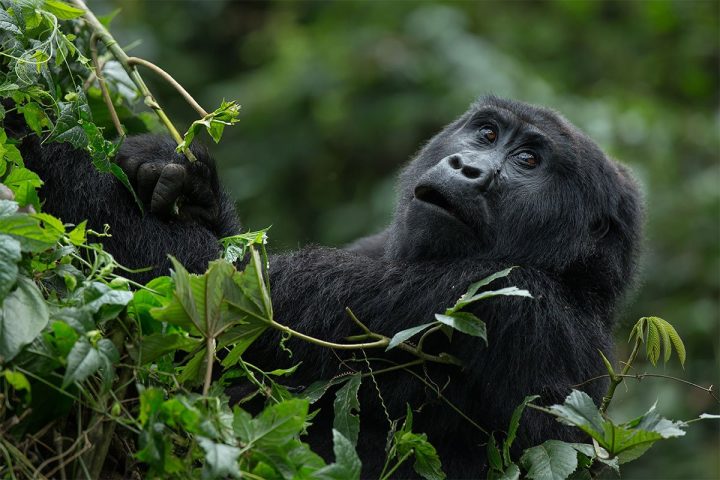
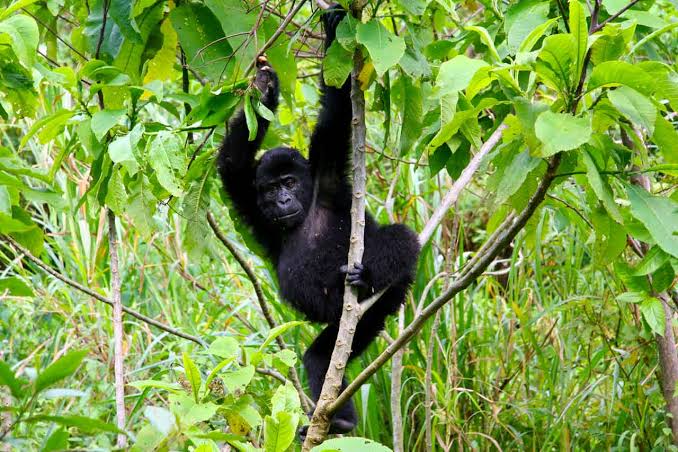
You can also combine Tanzania safaris with gorilla trekking experience in Uganda in Bwindi impenetrable national park or Rwanda’s Volcanoes national park.